
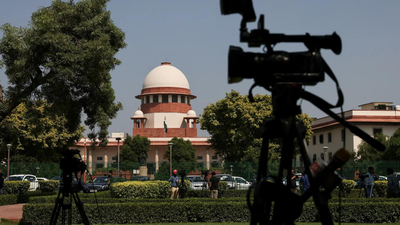
NEW DELHI: SC has said police cannot direct social media platforms under IT Act to share an accused’s digital footprints for periods well before the crime he is being probed for, in an order that is likely to become a precedent for protection of privacy, reports Dhananjay Mahapatra.“Information and Technology Act provisions cannot be misused by police to launch a roving and fishing inquiry by obtaining personal data of an accused in breach of right to privacy,” said SC quashing a Ghaziabad Police order asking ‘X’ to furnish digital footprints of journalist Abhishek Upadhyay since June 1 when he was accused of a road rage incident in Aug 18.Cops must apply principles of proportionality, says SCA bench of CJI Surya Kant and Justice Joymalya Bagchi said: “Police must apply the prin-ciples of proportionality while taking steps to investigate a crime and can resort to seeking digital footprints only after recording that alternative methods to obtain information about a crime has proved inadequate”. The court also kept in operation its interim order pro-tecting the journalist from arrest as long as he cooperated with the investigators.Upadhyay, through senior advocate Pradeep Rai, said he had carried out a journalistic investigation into theft of donations at Ayodhya Ram Temple and was first to publish a news article on his digital platform on June 7. The real intent behind the cooked-up FIR of Aug 18 was to seek information from June 1 to identify the sources who informed him about pilferage of donations by devotees, Rai argued.Ghaziabad Police commissioner had informed the court that police searched for the petitioner for three days in connection with the road rage case, in which he is accused of hurling caste slurs at the complainant bike rider, and when he was untraceable, police sought details of digital footprint from ‘X’.
Share your thoughts in the comments
Be respectful · TOI community guidelines
SC said the commissioner’s explanation and the order seeking digital footprint details appear to be at variance for the purpose of investigation of the road rage case.“Police can surely look for digital footprints if the crime was committed with long planning and conspiracy, but not in such cases where questions of privacy and right to act as a journalist are involved,” said the bench.Rai with advocate Anoop P Awasthi complained to the court that the journalist’s vehicle, which was seized after the FIR against him, has not been returned. The bench directed Ghaziabad Police to return the vehicle to the petitioner within two days.The bench cautioned Ghaziabad Police against using any of the private and personal information related to the petitioner it has obtained from ‘X’.