
Bharti Enterprises chairman Sunil Bharti Mittal said on Wednesday that he believes the Bharti-backed Eutelsat OneWeb venture is “significantly ahead” of Elon Musk’s Starlink in the queue for satellite communication (satcom) approvals in India.
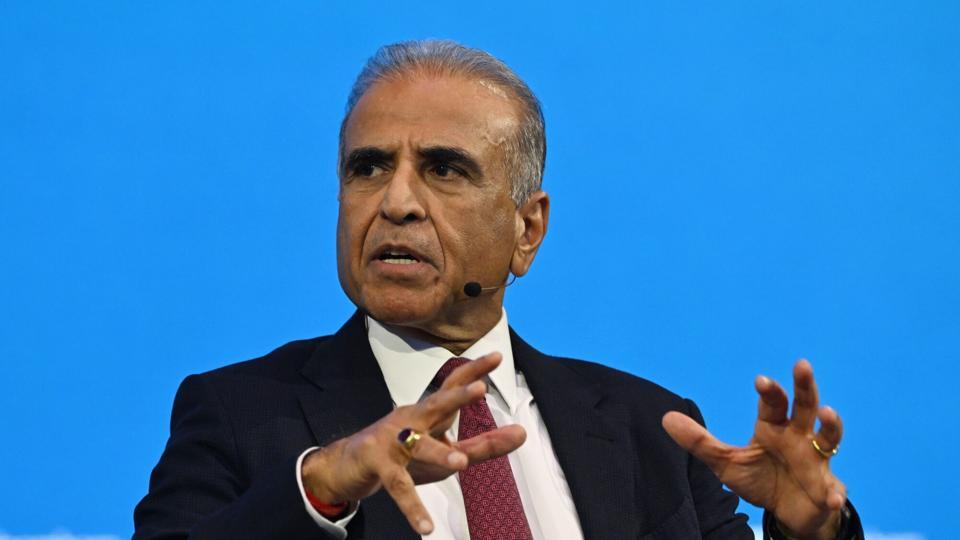
“We are all awaiting our approvals. I think I am significantly ahead in the queue from him,” Mittal said, speaking at the Bloomberg New Economy Forum in New Delhi. He was responding to a question about Elon Musk’s recent criticism that some oligarchs in India were blocking his attempts to gain spectrum access.
Musk’s Starlink, Reliance Jio’s satellite venture Jio Satcom and Bharti-backed Eutelsat OneWeb have already secured licences and are awaiting crucial security clearances to launch commercial operations. Amazon’s Kuiper has also expressed interest and is undergoing the process of acquiring a licence to offer satcom services in India.
‘Sought approval 5 years ago’
Mittal said they had sought the approvals five years ago and still didn’t have it. “We still do not have the necessary permission, so we would be very happy to receive it, even a few days before him,” he said, adding that the ground network has been ready for three years and the satellites have been “hovering over India for the last five years.”
Mittal said satellite communications in India are still a work in progress.
Once approvals come through, he said, the company will be able to connect “every square inch” of the country. He also underscored that the company recently began launching satellite services in Africa in partnership with Starlink’s closest rival, OneWeb, part of Paris-based Eutelsat Group.
Mittal’s remarks come amid a back-and-forth between the SpaceX chief executive officer and the government this month after the billionaire took swipes at New Delhi on October 7, accusing “certain oligarchs” of blocking efforts by SpaceX’s satellite broadband arm to gain spectrum access in the country.
On October 8, the communications ministry rejected the charge, calling suggestions of discrimination “baseless and misconceived.” It said India’s satcom framework was fair and non-discriminatory, and that the security assessment of the three entities was underway, with all at “broadly the same regulatory stage.”
Hours later, Musk escalated his attack, saying Starlink was licenced to operate in more than 165 countries and had spent five years complying with Indian rules. “So why still no licence? Is Ambani the real boss of India?” he asked, referring to Reliance Industries chairman Mukesh Ambani.
On October 9, communications minister Jyotiraditya Scindia issued a firm rebuttal, rejecting Musk’s charge. India does not allow a monopoly in any sector, he told reporters at the India Mobile Congress on Friday. “There is not a single licensee that has been chosen,” he said, adding that licences were given to everyone who wants them.