
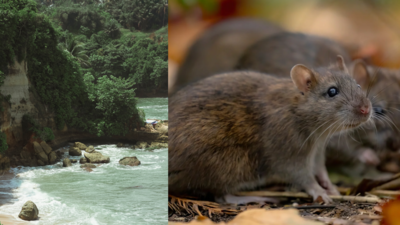
Islands are often considered safe havens for wildlife, away from the rushing development of humanity, particularly for seabirds that depend on remote and undisturbed locations to lay their eggs and raise their young. However, humans cannot take a rest; human activities have led to the introduction of non-native invasive species to the islands. These animal species can disturb the balance, putting species that have depended on these habitats for generations at risk. Now, a wildlife assessment in the Caribbean has revealed the presence of invasive animals on several small islands, highlighting the challenges conservationists face in protecting these nesting grounds.The assessment was carried out across six offshore cays managed by Virgin Islands National Park in the U.S. Virgin Islands. Preliminary findings recorded black rats on five of the islands and green iguanas on one, giving wildlife teams a better understanding of the threats that could affect local seabird populations.The project was led by the U.S. Fish and Wildlife Service’s Caribbean Coastal Program in partnership with Island Conservation, a nonprofit organisation that works to restore island ecosystems by removing invasive species. The findings will help conservation partners decide what steps are needed to protect the islands and make them suitable for seabirds to return.
Why invasive rats are a concern for Caribbean seabirds
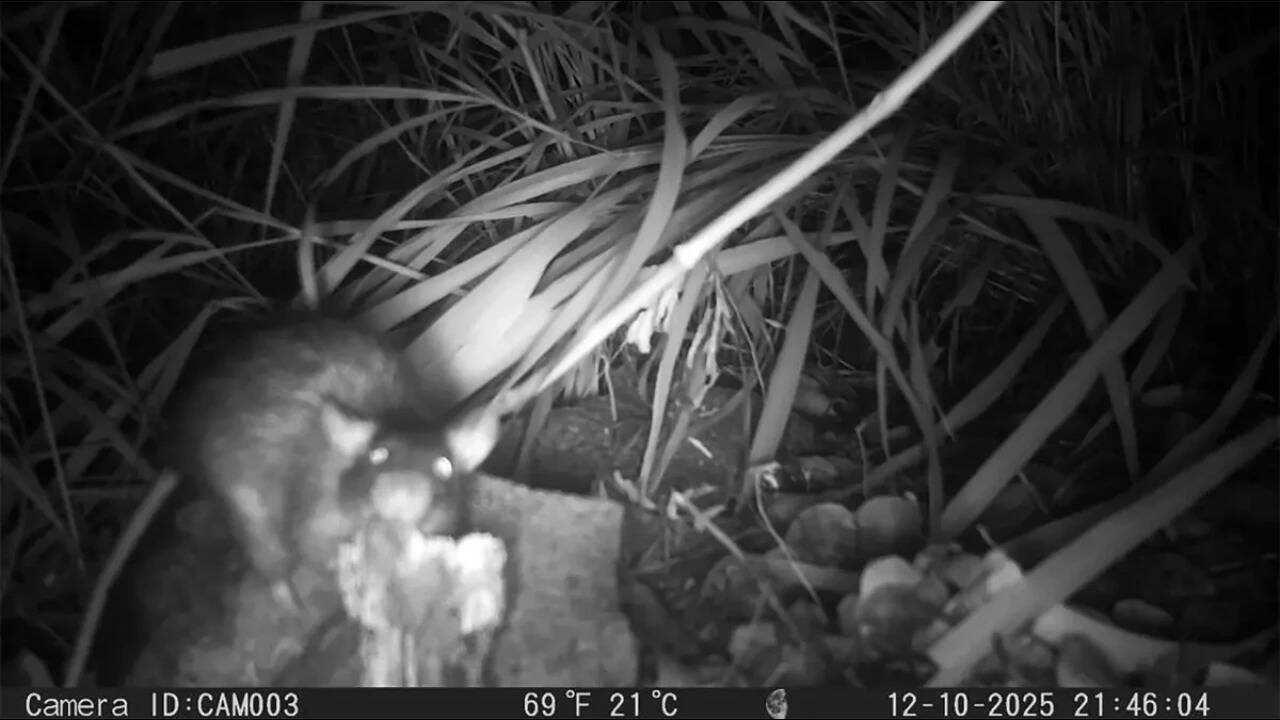
As part of an invasive species assessment, an invasive black rat was caught on camera on a cay in the Virgin Islands (Courtesy- Fws.gov official website)
Offshore cays within Virgin Islands National Park have historically supported seabird colonies, providing important nesting grounds for species such as the red-billed tropicbird, roseate tern and laughing gull. These birds depend on suitable nesting habitats to reproduce, but invasive predators can make these locations increasingly difficult to use, especially rats. People from New York would know what is being talked about.Black rats are particularly concerning because they prey on seabird eggs and chicks. Their presence can lead to failed nesting attempts and contribute to declining bird populations. On small islands, where seabirds may have few alternative nesting locations, the introduction of such predators can have serious consequences for local wildlife.The green iguana, another non-native species, although it looks harmless and exotic, is a threat to local diversity. The survey’s results are still being studied, and conservation teams may conduct additional assessments to understand the situation more completely.
A collaborative effort to assess the islands
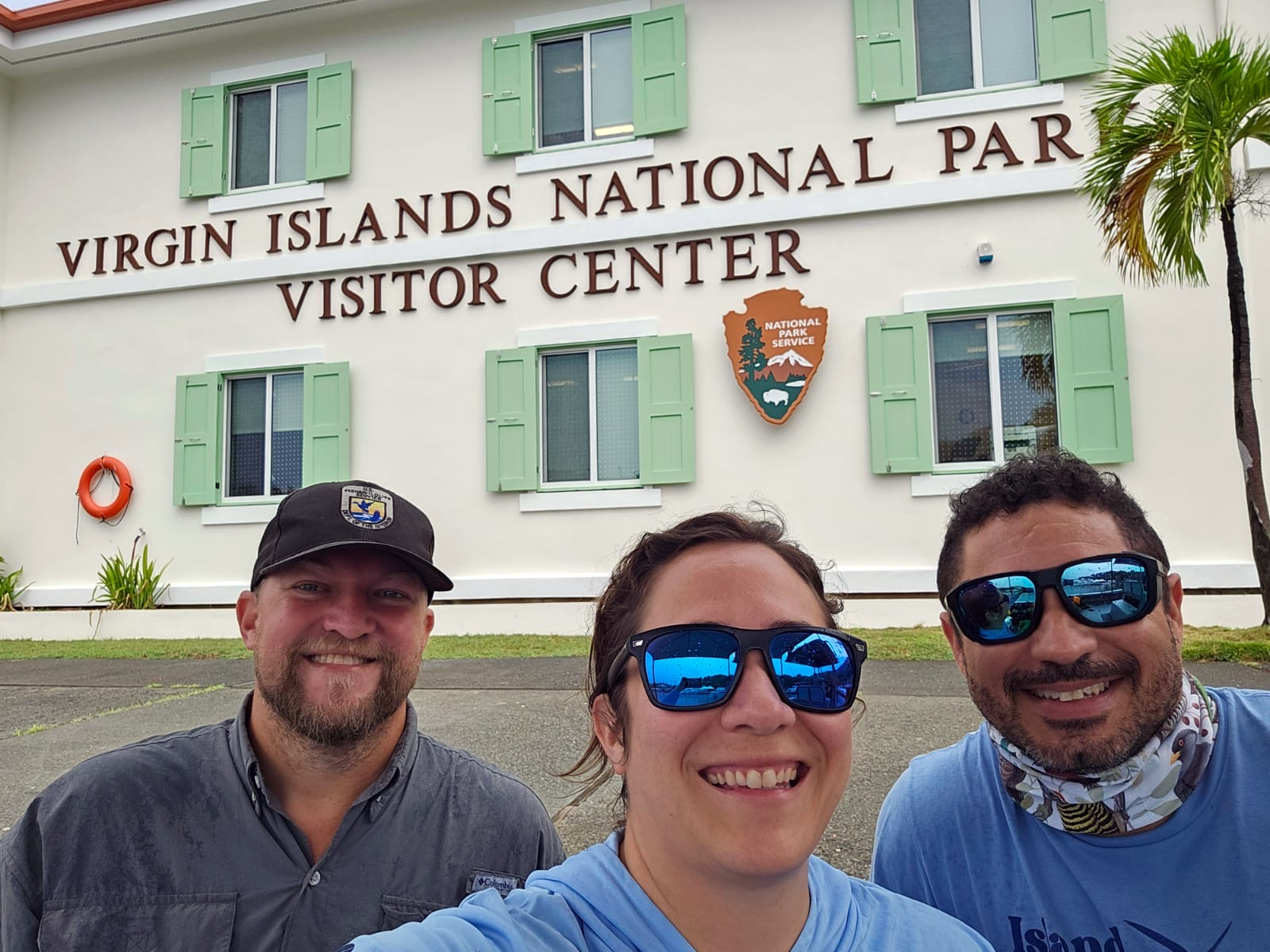
U.S. Fish and Wildlife biologist with partners from the Island Conservation at the Virgin Islands National Park. (courtesy- conservation group/FWS.gov offcial website)
The project received its first funding in 2024. For the assessment, the team also looked at older seabird survey records and carried out fieldwork in December 2025. The U.S. Virgin Islands Division of Fish and Wildlife shared data from its annual seabird surveys around St. John, while biologists from the Coastal Program, national park staff and Friends of the Virgin Islands National Park helped with the planning and fieldwork.Friends of the Virgin Islands National Park also provided additional funding for the project, which brought together several organisations to study the islands and identify where conservation work may be needed.
What happens next?
The survey has given the park a better idea of which invasive animals are present on the six cays and where work may be needed. The next step could involve removing rats and iguanas from the islands and making sure they do not return, so that seabirds can nest there without the same threats.Conservation teams may also use sound-attraction devices to bring seabirds back to suitable nesting sites. These devices play recordings of seabird calls, which can encourage birds to settle and form colonies in an area.A similar approach has been used on Desecheo Island National Wildlife Refuge in Puerto Rico. The work in the U.S. Virgin Islands could help give the seabirds that once nested on these small islands a safer place to return to.While approaches can be many, they are not always solutions. Human intervention has led to the demise of many species, and the dodo bird speaks for itself. Its extinction is a reminder of how easily human activities can disturb an island ecosystem and put an entire species at risk. The six cays in the U.S. Virgin Islands are now facing their own conservation challenges, and the hope is that timely efforts will protect their native seabirds before history repeats itself.