
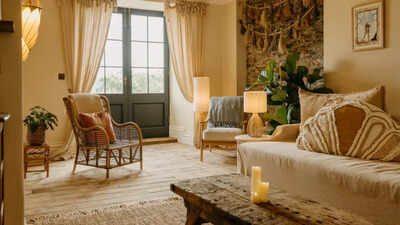
A historic Welsh property that became a destination for relaxation, nature and spiritual healing is preparing to close its doors permanently. Singer Charlotte Church’s wellness venture, The Dreaming, welcomed thousands of guests over five years, offering an alternative retreat experience built around nature, community and personal wellbeing. However, what was initially announced as a temporary break from operations has now become a permanent goodbye.According to an announcement published on The Dreaming’s official website, the retreat is ending its journey after five years, with more than 3,000 people having visited the property during that period. Church bought Rhydoldog House, the former home of fashion designer Laura Ashley, in 2021 and transformed it into a wellness destination. The closure announcement follows an earlier decision to pause operations and reconsider the project’s future.
How Charlotte Church transformed Laura Ashley’s former home
Church purchased Rhydoldog House near Rhayader in Powys, Wales, in 2021, reportedly for around £1.5 million. The property had previously belonged to fashion designer Laura Ashley and her husband, Bernard Ashley. The singer was drawn to the surrounding landscape, which included woodland, gardens, streams and natural spaces. She envisioned creating a place where visitors could disconnect from everyday pressures and reconnect with themselves and the environment.The transformation of the historic property involved extensive renovation work, which was also documented in a Discovery Channel television series. Church eventually established The Dreaming, which opened as a wellness retreat in 2023. The property offered accommodation and experiences designed around holistic wellbeing. Its facilities included gardens, communal spaces, a healing room, a Japanese tea house and outdoor areas where visitors could spend time in nature.
Retreat offered nature-based experiences and affordable stays
The Dreaming was designed to offer more than a conventional hotel or spa experience. Its programmes included sound healing, yoga, forest bathing, meditation, creative activities and Druid ceremonies. Guests were also encouraged to participate in communal meals, spend time outdoors, explore the surrounding woodland and take part in activities that promoted relaxation and connection.According to the Shropshire Star’s October 2026 report, the retreat had introduced a pay-what-you-can arrangement, allowing visitors to book certain spaces for as little as £1 per night. NHS workers were also offered free stays. The initiative was intended to make wellness experiences accessible to people with different financial circumstances rather than limiting them to visitors who could afford expensive retreats. Over five years, more than 3,000 guests visited the property, according to the organisation’s final announcement.
Why Charlotte Church decided to close The Dreaming
The closure followed an announcement in October 2026 that The Dreaming would pause its operations from December to reconsider its future. At the time, the retreat described the decision as a period of hibernation, saying it needed time to reflect on what it should offer and how it could continue serving people amid changing circumstances. However, its latest statement confirmed that the pause would not lead to a reopening. In its announcement, the team said it had initially hoped the break would create space for new possibilities but had eventually realised that it marked the end of the project.The statement also reflected on the experiences shared by guests, including gatherings around fires, cold-water swimming, woodland walks, communal meals, music and storytelling. It thanked the volunteers, artists, gardeners, chefs, housekeepers and other team members who helped establish the retreat.Church had previously described the project as a response to the pressures of modern life. Speaking to the Press Association, she said people increasingly needed care, community, nature and a sense of belonging.Although The Dreaming is closing, its official announcement expressed hope that visitors would carry the experiences and connections they developed there into their everyday lives. The organisation described the five years as a special chapter and thanked everyone who had supported its journey.