
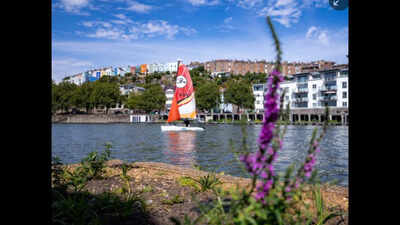
Bristol is preparing to transform its urban landscape by bringing more nature into its waterways, streets and neighbourhoods through an ambitious wetland restoration programme. The five-year initiative, led by the Wildfowl & Wetlands Trust (WWT) with funding from insurer Aviva, will involve more than 200 projects designed to create habitats for wildlife, improve flood protection and make green spaces more accessible to residents. The development was reported by The Guardian, BBC News and Bristol24/7. With an investment of £8.9 million, the programme aims to help Bristol become the UK’s first accredited Wetland City under the Ramsar Convention, an international agreement dedicated to the conservation and sustainable use of wetlands. The initiative will extend beyond the city’s harbour, bringing together a network of small and large wetland habitats. Plans include restoring river ecosystems, reconnecting rivers with their natural floodplains, developing rain gardens along streets and encouraging households to create small ponds that can support local biodiversity.
Floating gardens bring wildlife back to the harbour
One of the first visible steps in the project began in September 2026, when floating wetlands were installed at three locations in Bristol’s city-centre harbour. These structures consist of buoyant platforms covered with wetland vegetation, creating small islands that provide shelter and feeding opportunities for birds, insects and other wildlife.The installations are designed to introduce natural habitats into an otherwise heavily developed urban environment. Early observations reportedly showed dragonflies and other wildlife arriving soon after the floating gardens were put in place. Ducks, swans and other waterbirds have also been seen using the new spaces.The project highlights how even relatively small interventions can help restore ecological connections in cities. Rather than treating urban waterways simply as transport routes or recreational spaces, the initiative aims to make them functioning ecosystems that support a wider range of species.
How wetlands could help prevent flooding
Alongside supporting wildlife, the programme is intended to address one of the growing challenges facing urban areas: managing excess rainwater during periods of heavy rainfall. Wetlands naturally absorb and store water, slowing its movement through the landscape. This can help reduce the volume of water entering drainage systems during storms, lowering pressure on infrastructure that can become overwhelmed during intense rainfall.Bristol’s project will therefore focus on managing rainwater closer to where it falls. Rain gardens, household ponds and restored waterways could all help capture runoff from roofs, roads and other built-up surfaces instead of allowing it to flow immediately into conventional drainage systems. The approach is particularly relevant as climate change increases the likelihood of extreme weather events in many parts of the UK. By restoring natural water-management systems, the city hopes to improve its resilience while creating more attractive public spaces.
Why Bristol wants to become a wetland city
The Wetland City Accreditation is part of the Ramsar Convention, which recognises urban areas that demonstrate a commitment to protecting and sustainably managing their wetland environments. There are already 74 accredited wetland cities across 27 countries, with China accounting for a significant share of them.Bristol was selected for the initiative partly because of its longstanding relationship with water. The city has approximately 100 miles of waterways, including several that are hidden beneath or incorporated into its urban infrastructure.The programme also aims to demonstrate that wetland restoration can deliver economic benefits alongside environmental improvements. Better waterfront spaces could attract more visitors, encourage businesses and increase activity in the city centre. The WWT hopes the investment will provide a model that other British towns and cities can eventually adopt.
A wider vision for urban nature
The project comes at a time when cities are increasingly looking for ways to balance development with environmental protection. As urban populations grow, access to natural spaces and healthy ecosystems becomes increasingly important for both wildlife and residents.By connecting individual wetlands into larger wildlife corridors, Bristol hopes to create habitats that allow species to move through the city rather than remain isolated in small green spaces. The improvements could also give residents more opportunities to experience nature without having to travel to rural reserves. If successful, the programme could offer a practical example of how cities can use nature-based solutions to address flooding, biodiversity loss and the effects of a changing climate, while making everyday urban environments greener and more liveable.