
Bangladesh’s garment manufacturers are expected to propose a roughly 15% hike in the minimum monthly wage of protesting workers during talks with authorities on Monday, Reuters reported, citing industry leaders.However, the proposed increase falls well short of workers’ demand for a monthly minimum wage of 30,000 taka ($242), more than double their current pay of 12,500 taka ($101). According to labour representatives, workers are unlikely to accept an increase significantly below their demands.Industry leaders argued that a wage hike exceeding 15% would be “unsustainable” for the garment sector, which is facing rising costs and weak global demand.“Even then, many small factories could struggle to cope with the increase,” one industry leader said.Meanwhile, labour unrest continued on Monday, with protesters forcing dozens of garment factories to shut down in Ashulia and Gazipur, two major apparel manufacturing hubs on the outskirts of the capital, Dhaka.Factory owners have warned that the unrest could further disrupt production and export shipments during a crucial period for overseas orders.
Why are Bangladesh’s garment sector workers protesting
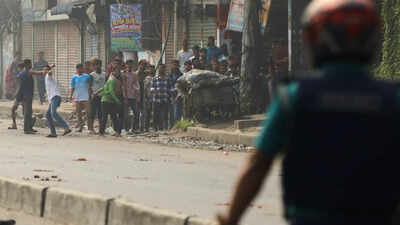
Workers in Bangladesh’s garment sector have been protesting since early November, demanding higher wages amid rising living costs. The unrest has triggered factory shutdowns and violent clashes in the world’s second-largest garment-exporting nation, which employs more than 4 million (40 lakh) people in the sector and supplies major global retailers, including H&M, Gap, and Walmart.The wage dispute threatens to undermine the cost advantage of an industry that accounts for more than 80% of Bangladesh’s export earnings.According to a survey by the Bangladesh Garment Manufacturers and Exporters Association, disruptions over an 18-day period caused losses of around $428 million across 317 factories. International buyers also shifted orders worth approximately $254 million to other countries amid concerns over production disruptions.Industry leaders say rising production costs, higher utility tariffs and intense competition from rival garment-producing countries have limited manufacturers’ ability to accommodate a substantial wage increase.The protests, which began earlier this month, forced hundreds of factories to shut down and triggered clashes between workers and police. Security forces used tear gas and sound grenades to disperse demonstrators.
Global labour groups back workers’ wage demands
Several global labour rights organisations, trade unions, and brand coalitions have thrown their support behind Bangladeshi garment workers’ demands for higher wages.On November 19, the Action, Collaboration, Transformation (ACT) initiative, a global wage-bargaining platform bringing together apparel brands and trade unions, called for an urgent and meaningful increase in the country’s minimum garment wage, citing rising living costs, inflation, productivity and prevailing economic conditions.In a joint statement, ACT also expressed concern over reports of violence and retaliation linked to the wage-setting process, urging all parties to respect workers’ rights to freedom of association, peaceful assembly and social dialogue.The initiative further called on the government-appointed wage board to reach a negotiated settlement that would bring workers’ pay closer to a living-wage level.ACT’s brand members, including H&M Group, Inditex, C&A, Primark, Next and PVH Corp, said they would work with suppliers to ensure that statutory and negotiated wage increases were reflected in purchasing prices.