
Finance Minister Nirmala Sitharaman, in a LinkedIn post on Monday, November 23, said that expanding access to finance, markets and the digital economy would be essential to eradicating poverty and ensuring that people who escape poverty do not fall back into it.
In her LinkedIn essay titled ‘The Decade India Turned the Tide on Poverty’, citing a World Bank report that found nearly 50 crore Indians had moved out of poverty between 2011 and 2023, Sitharaman said the Prime Minister Narendra Modi government had prioritised targeted interventions, measurable results and tailored programmes to address deprivation.
According to the FM, poverty, or as she described ‘Garibi’ is not merely a shortage of income or wages. A household without a secure roof, safe water, sanitation or healthcare remains vulnerable even when its income rises. One illness can wipe out savings and push a family back into poverty,” the minister said in a LinkedIn post titled.
Welfare and empowerment
On welfare programmes, she said welfare programmes such as Jal Jeevan Mission, Ayushman Bharat, PM Awas Yojana, Ujjwala Yojana and Swachh Bharat are collectively serving as “insurance against the shocks” that once drove families back into poverty. By reducing household expenses and freeing up time, these schemes also enable people to work.
The government is strengthening ties between academia and industry through employment-linked incentives, internships and apprenticeships, while its infrastructure investments are improving connectivity across the country.
She observed that while protection helps families avoid falling back into poverty, further progress requires opportunities to earn.
Last month, the World Bank’s Poverty & Equity Brief on India report showed that nearly 50 crore Indians had moved out of poverty between 2011 and 2023, while extreme poverty has been almost eradicated.
Sitharaman said India has witnessed a fundamental shift from temporary relief to removing the barriers that perpetuate poverty. Guided by Antyodaya, the welfare of the last person in the line, the government chose the harder path of addressing deprivations, household by household, ensuring development reached those who needed it most, she wrote.
Road ahead for Viksit Bharat
Looking into the challenges awaiting the India story, the FM underscored that for generations, poverty was seen as a challenge India could manage but never overcome. As per Sitharaman, what seemed impossible a decade ago has now been accomplished through years of sustained, grassroots effort.
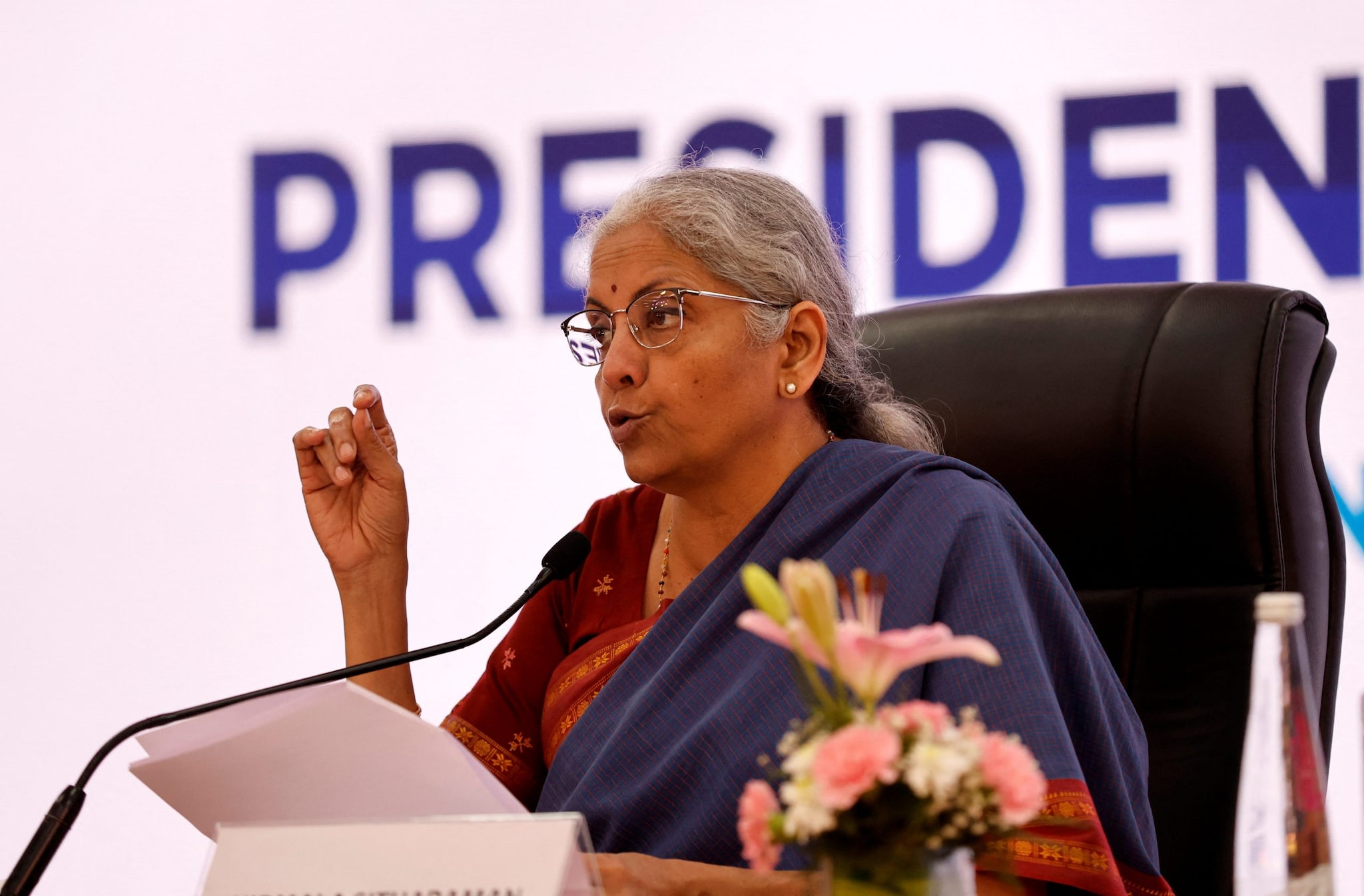
On welfare programmes, she said welfare programmes such as Jal Jeevan Mission, Ayushman Bharat, PM Awas Yojana, Ujjwala Yojana and Swachh Bharat are collectively serving as “insurance against the shocks” that once drove families back into poverty. By reducing household expenses and freeing up time, these schemes also enable people to work.
She opined that despite the progress, there is no room for complacency. The journey toward Viksit Bharat by 2047 presents new challenges. The next stage will build on this progress, helping the few who remain at the bottom of the ladder escape poverty while enabling those who have already advanced to continue progressing without falling back.
Existing protections must be reinforced with broader access to finance, markets and the digital economy. The government is strengthening ties between academia and industry through employment-linked incentives, internships and apprenticeships, while infrastructure investment is connecting the country more extensively than ever before. Opportunity must not remain confined to a privileged few.
Also Read: Gold adulteration concerns: How to check jewellery on BIS CARE app and what it cannot detect
‘Garibi is not merely a shortage of income’: Sitharaman says digital economy needed for poverty eradication