
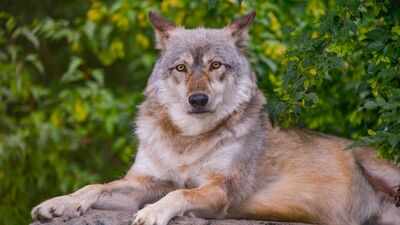
A wolf in the forests of Minnesota is just going about their day, eating berries, wandering around the forests, and just like that, they have provided blueberries with a new home. We tend to picture these animals chasing deer, moving silently through the woods or travelling in packs across vast wilderness. Fruit rarely makes it into the picture. Yet, in northern Minnesota, blueberries are an important part of their summer diet. Studies show that, during peak berry season in July and August, berries make up as much as 83% of adult wolves’ weekly diets in the Greater Voyageurs Ecosystem, a forest region along the Canadian border. A new study has found new utility in the process of wolves having these berries.
What the researchers did
Alex Gross, then working with the University of Minnesota’s Voyageurs Wolf Project, led the work. His team gathered fresh wolf scat in 2017 and 2018 and picked out 802 blueberry seeds. They set the seeds in petri dishes in a growth chamber for 60 days. Next to them went 484 control seeds, taken from intact wild berries that no animal had eaten. The results, published in Biology Letters, covered both how many seeds sprouted and how fast.According to Mongabay’s coverage of the study, 96% of the seeds from wolf scat germinated, against 69% of the control seeds. Moreover, half of the wolf seeds had sprouted by day 19, while the control seeds took until day 26.In other words, seeds that had travelled through a wolf’s digestive system not only germinated more successfully but also started growing earlier. As lead author Alex Gross explained to Mongabay, they had not expected digestion by wolves to improve both the speed and success of seed germination.The authors of the study suggest the trip through the gut probably scuffs or chemically wears down the seed coat. They also note in the study that the scat itself may act like fertilizer and protect seeds from pathogens.
The catch in the 69%
The germination of 69% of the control seeds had internal variance. They were stored in three batches which were handled differently. The individual germination rate stood between 42% and 91% for the three bathes. However, when measured against the best of the three, the wolf seeds still came out ahead by 5 percentage points.The authors argue that even a small edge matters here. Blueberry-filled wolf scats are numerous and widespread in summer, so even a few extra sprouts per scat add up across a whole territory.
Why a wolf is a good delivery service
These tasks are usually performed by birds and other aerial creatures. However, a wolf covers far more ground and moves faster between berry patches. According to the authors of the study, wolves are likely effective long-distance disperesers of blueberry seeds. Gross told Mongabay that wolves may start new berry patches in different habitats within their territories. That works best in places where the soil conditions are fertile for blueberry growth. Moreover, new blueberry patches can become a source of food for the wider population of the forests.
A population that almost vanished
The relationship between wolves and blueberries offers a fresh perspective on the importance of large carnivores in maintaining healthy ecosystems.
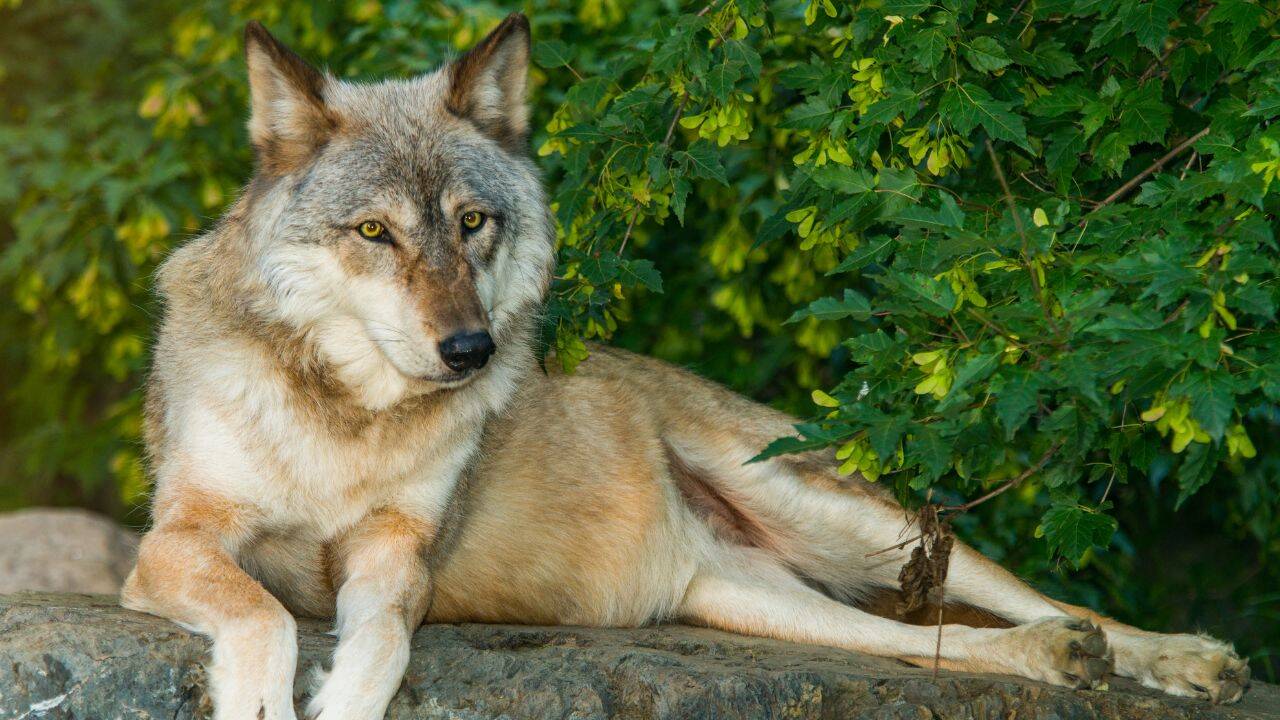
Minnesota Gray Wolf (Image Credit: Canva)
For decades, wolves were hunted, trapped and poisoned across much of the states around the United States. According to a report by the Minnesota’s Department of Natural Resource, by the 1960s, Minnesota’s wolf population may have fallen to around 350 animals. Federal protection under the Endangered Species Act began in 1974 which helped in recovery of the wolf population subsequently. Since the late 1990s, state estimates have put Minnesota’s population at roughly 2,200 to 3,000 wolves. Today wolves are listed as threatened in Minnesota. The study came out as wolf numbers in the study area have dropped.The latest research adds to the utility that wolves hold for the wider ecosystem. Wolves are important not only because they regulate prey populations but also because their movements and feeding habits can influence the plants growing around them.
A decision that could threaten the wolves again
In December 2025, the U.S. House passed a bill that would remove gray wolves from the endangered species list across the lower 48 states and bar courts from reviewing the decision. Representative Pete Stauber, a Minnesota Republican who co-sponsored it, argued that wolf populations have recovered. He said, in the official press release after the bill was passed, delisting would protect farmers and their livestock and return wolf management to local control.However, opponents like Earthjustice, a legal nonprofit argued otherwise in their press release, citing Wisconsin’s 2021 hunt, in which hunters killed more than 200 wolves in fewer than three days.In September, President Donald Trump signed an executive order giving the Secretary of the Interior 90 days, until early December 2026, to decide whether gray wolves and Mexican wolves have recovered enough to lose federal protection.