
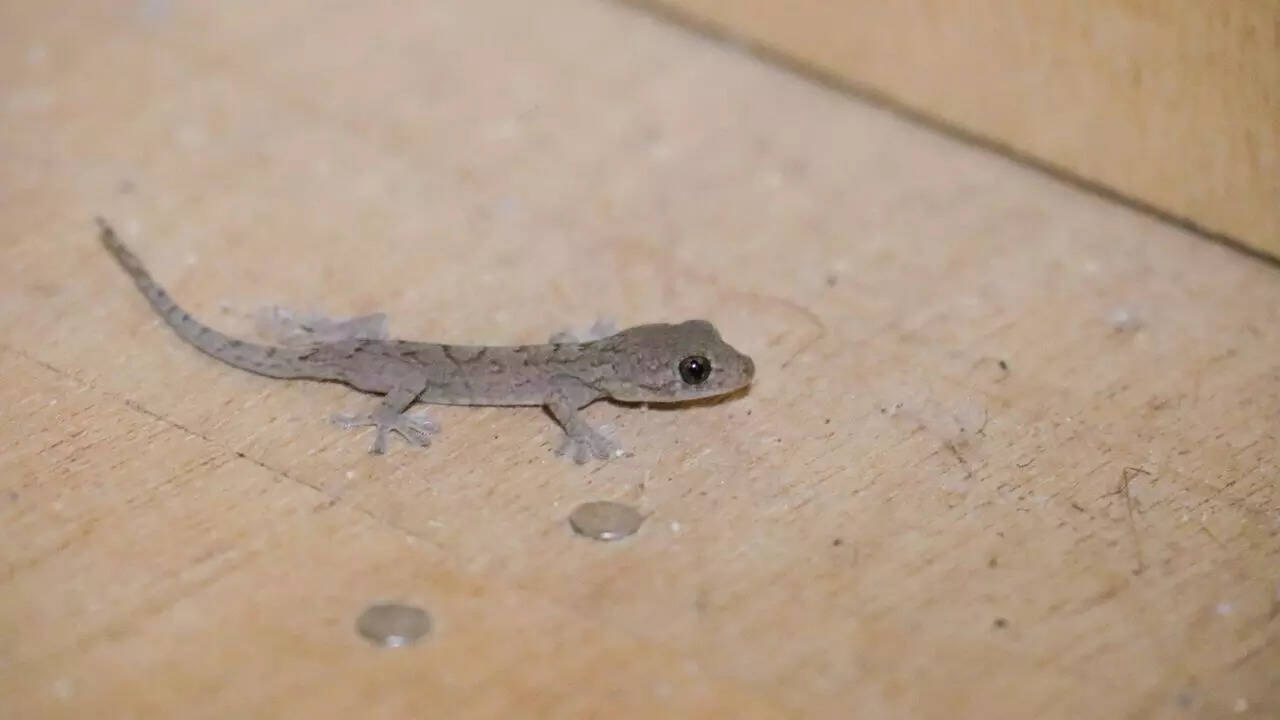
In many homes, especially in warm areas, you can see house lizards all the time. People often see them quietly sitting on walls or ceilings, usually close to lights where bugs like to hang out. People don’t notice much about their daily habits because they move quickly and can easily hide. People often ask about their eggs. A lot of people are curious about where house lizards lay their eggs and how these little reptiles find safe places to live.If you know where they like to build their nests, you can figure out why they come to certain parts of the house. Like many reptiles, house lizards like to lay their eggs in quiet, hidden places where they won’t be bothered. Most of the time, these places are warm, dry, and not very busy with people. Knowing where they usually lay eggs also helps people recognise signs of lizard activity and understand how these animals live so closely alongside humans.
Places where house lizards usually lay their eggs inside homes
House lizards look for safe, hidden places to lay their eggs. These places help keep the eggs safe from animals that want to eat them and other things that might bother them.House lizards often lay their eggs in places like:
- In the back of cabinets or cupboards
- Holes or cracks in the walls
- Underneath tables and shelves
- Behind picture frames or decorations on the wall
- In small holes or electrical switch boxes
- In the areas between the corners of the roof or ceiling
These places are usually quiet and not cleaned very often. They also keep the temperature steady, which is important for the eggs to grow.Most of the time, female house lizards lay eggs in pairs. The eggs are small, white, and oval-shaped. They are usually about the size of a small marble.
What kind of lizards are commonly found inside homes
People often see house geckos, which are small lizards, in their homes. These lizards are part of a group of geckos that have learned how to live well near people.House geckos are small and usually grow to be between 7 and 15 centimetres long. Their bodies are light brown, grey, or a little see-through, which helps them blend in with walls and ceilings. Their toes have special pads that let them climb up smooth surfaces like tiles, glass, and painted walls.They are mostly awake at night. This is why you often see them near tube lights or lamps where bugs like to hang out. Because insects are their main source of food, bright lights can draw them in.
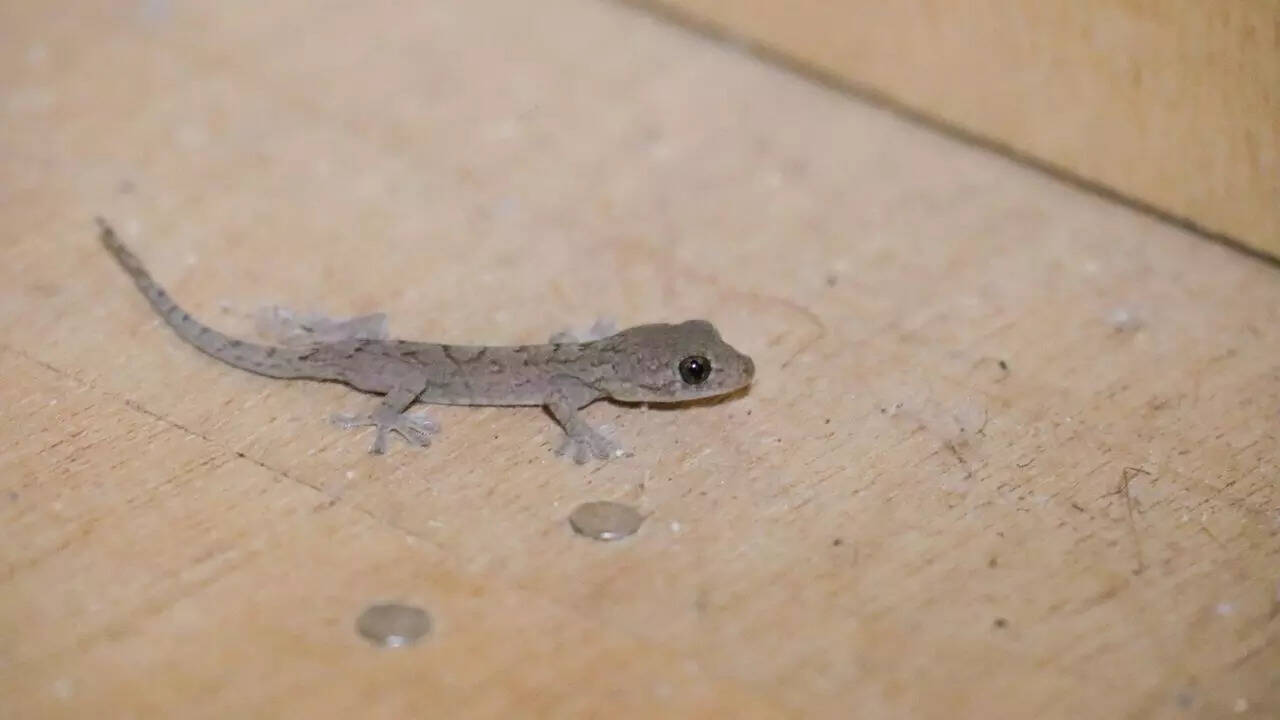
Lizards in home (Image source: Canva)
Why house lizards choose hidden corners for laying eggs
It is very important for reptile eggs to be in a safe place. House lizards don’t build nests or take care of their eggs after they lay them, which is different from birds. This means that the eggs need to be put somewhere where they won’t be disturbed.Ants, spiders, and other bugs can’t get to you in places that are hard to see. These places also keep the eggs safe from sudden changes in temperature and direct sunlight.The eggs grow best in warm, slightly humid places. A lot of homes already have these problems, especially in places like ceilings, cupboards, or storage areas.
How many eggs do house lizards lay
Most house lizards lay two eggs at a time. This is typical for many gecko species.A female may lay eggs several times during the breeding season. In warm climates, this season can occur multiple times in a year. Each clutch is usually placed in a hidden location.Sometimes several female lizards may choose the same safe spot for laying eggs. When this happens, a number of eggs may be found in the same area.
What do house lizard eggs look like
House lizard eggs are small and easy to recognise if found. They are usually:
- White in colour
- Oval or slightly round in shape
- Hard or leathery on the outside
- About 1 centimetre in size
They are not soft or breakable like bird eggs. Their hard shell helps protect the growing embryo inside.People sometimes think the eggs are small white stones or seeds because they are so small.
How long it takes for house lizard eggs to hatch
The temperature has the biggest effect on how long it takes for the eggs to hatch.House lizard eggs usually hatch in 30 to 60 days when it’s warm. The time it takes for something to grow may be longer if the weather is cooler.When the eggs hatch, little lizards come out. These baby lizards are usually only a few centimetres long, but they can move around and hunt small bugs just fine.They don’t stay with their parents for long and quickly start living on their own.
Signs that house lizards may have laid eggs in the house
In many homes, the eggs remain hidden and are rarely noticed. But there are a few signs that lizards might be nesting nearby. These signs may include:
- Small white eggs in hidden corners
- Eggshell fragments after hatching
- Frequent lizard sightings in the same area
- Small droppings on walls or floors
Most lizard poop is dark with a small white tip. Reptiles make this white part when they get rid of waste from their bodies.
Why house lizards are often found inside homes
House lizards really like to hang out where there are a lot of bugs. Homes are a good place to get food because lights draw in bugs like flies, moths, and mosquitoes.Lizards can also hide a lot during the day on walls, ceilings, and furniture.Houses are good places for them to live all year because they stay warm inside. These things make it easy for many lizards to live near people.
A closer look at quiet nesting habits of lizards
People often don’t notice how house lizards build their nests, even though they are common in homes. They like quiet places where their eggs can stay safe until they hatch.They can live in the same places as people without being seen most of the time because their eggs are small, they hide them well, and their young move quickly.If you know where house lizards lay their eggs, you can learn more about how these small reptiles can live in homes, apartments, and buildings all over the world.