
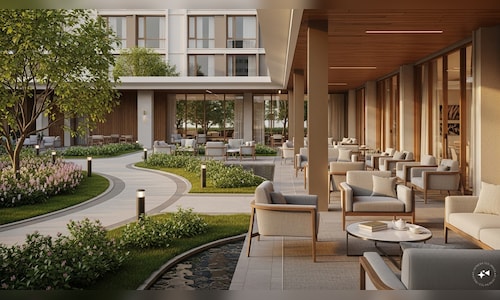
The decision, cleared under Chief Minister Nayab Singh Saini, raises the permissible Floor Area Ratio (FAR) through Transferable Development Rights (TDR) to 3.0 from 2.25 earlier.
What has changed
Retirement housing projects in Haryana are governed under the Haryana Development and Regulation of Urban Areas Act, 1975. Under the revised norms:
- Developers can use TDR to build additional floor space on the same land parcel
- The FAR limit through TDR has been increased to 3.0
- The provision applies to projects meeting existing policy and planning conditions
This enables approved projects to expand built-up area without acquiring more land, subject to compliance.
Why it matters
Senior living developments typically allocate significant space to healthcare, assisted living, and shared facilities, reducing saleable area. Higher FAR helps offset this constraint.
ALSO READ | Income Tax Dept launches new TRACES portal: What changes for TDS filing
“Families today are evaluating senior living with more clarity, shaped by the growing mobility of professionals and business families. With children living across cities or overseas, there is a need for parents to have a dependable and well supported living environment in their home region. Communities that offer both independent and assisted care within the same campus provide the flexibility to adapt as needs change, while staying in a familiar setting,” said Ankur Gupta, JMD, Ashiana Housing.
Impact on supply
The change could support:
- Expansion of projects in high-cost markets such as Gurugram
- Greater developer participation
- More efficient land use through higher density
While it does not directly reduce prices, additional supply may help moderate cost pressures over time.
What it means for individuals
The policy indicates a gradual expansion of organised senior living options.
These typically include:
- Rental models with bundled service costs
- Ownership options with ongoing maintenance and care expenses
“We are seeing a clear shift where seniors and their families are actively planning for this phase, and senior living is becoming part of that financial conversation. In many cases, it is being factored in alongside other long-term commitments, with a focus on how to allocate savings in a way that ensures both comfort and continuity,” said Anantharam V Varayur, Co-Founder, Manasum Senior Living.
ALSO READ | PPF vs SIP: How safety, returns and inflation shape long-term investment choices
First Published: Apr 13, 2026 9:27 AM IST