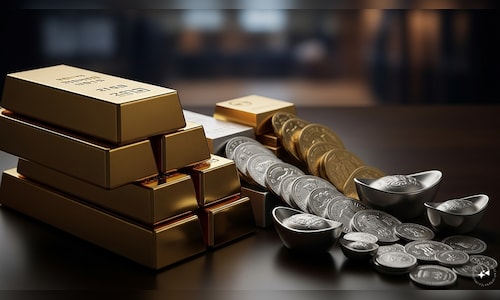
On the domestic front, Multi Commodity Exchange (MCX) gold futures dropped over 1% in early trade, slipping below ₹1.53 lakh per 10 grams. Silver prices saw a steeper fall, tumbling nearly 2%—or more than ₹4,500—to hover around the ₹2.52 lakh per kilogram mark.
The decline mirrored global trends, where bullion prices came under pressure from a firmer dollar and rising bond yields. Spot gold fell 0.7% to $4,793.98 per ounce, after touching its lowest level since April 13 earlier in the session. US gold futures for June delivery dropped 1.4% to $4,813.60 an ounce.
A stronger dollar index made gold more expensive for holders of other currencies, dampening demand. At the same time, benchmark 10-year U.S. Treasury yields rose, reducing the appeal of non-yielding assets such as gold.
Market participants also reacted to renewed uncertainty in the West Asia. Tensions resurfaced after reports indicated that the Strait of Hormuz had been effectively closed again amid a breakdown in the fragile ceasefire between the United States and Iran. The US seizure of an Iranian-flagged cargo vessel in the Gulf of Oman, followed by Tehran’s retaliatory stance and its decision to halt further negotiations, raised fears that the ceasefire may not hold.
The geopolitical strain pushed crude oil prices higher, reigniting inflation concerns. Higher oil prices tend to feed into inflation expectations, which in turn can prompt central banks to maintain elevated interest rates for longer. While gold is traditionally viewed as a hedge against inflation, higher interest rates increase the opportunity cost of holding the metal, weighing on prices.
Analysts noted that these “war trade” dynamics—rising oil, higher yields, and a stronger dollar—have re-emerged, pressuring bullion despite ongoing geopolitical risks.
Gold prices have already declined around 8% since late February, when the United States and Israel launched strikes on Iran, as markets began pricing in the inflationary impact of elevated energy costs and tighter monetary conditions.
Back home, physical demand remained subdued despite the festive backdrop. Buying interest during Akshaya Tritiya, one of India’s key gold-purchasing occasions, stayed muted as record-high prices discouraged jewellery purchases. A modest rise in investment demand failed to offset the weakness in retail buying.
Despite the latest dip, analysts expect volatility in bullion prices to persist, driven by fluctuations in the dollar, bond yields, and developments in the West Asia.