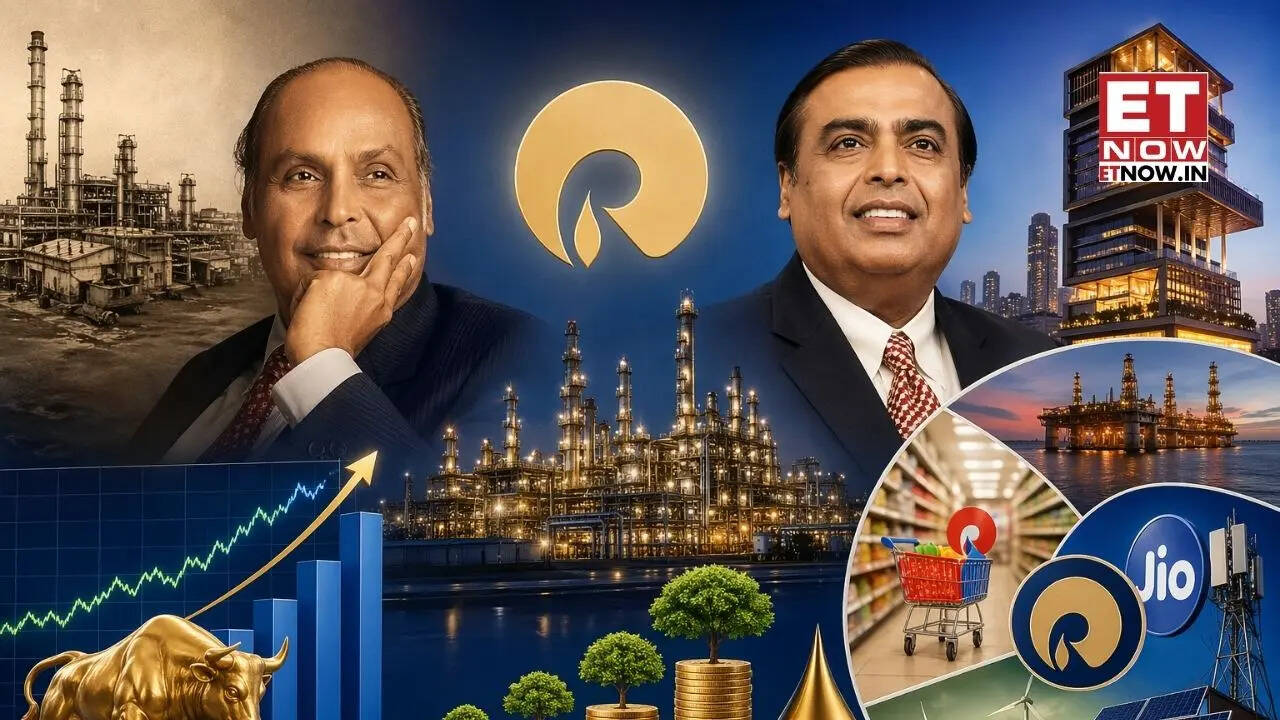
Reliance Industries Ltd. (RIL), one of India’s most widely held and closely tracked stocks, is going through a phase of pronounced underperformance. The stock has fallen about 15 per cent in 2026 so far, retreating from highs above Rs 1,600 seen in January to around the Rs Rs 1,330 to Rs 1,350 zone. Yet, short‑term weakness alone does not define Reliance’s equity story. Over nearly five decades of listing, the company has been among India’s most enduring wealth creators, delivering a combination of capital appreciation, bonus issues and steady dividends that few companies can match.
The scale of long‑term wealth creation becomes clearer when viewed through the lens of corporate actions. A hypothetical Rs 10,000 investment at the time of listing, assuming it was held through all bonus issues, would today be worth well over Rs 3 crore, even after factoring in the recent correction.
Reliance’s shareholding expansion through bonuses has been a crucial contributor to long‑term returns. Since listing, the company has announced five bonus issues, substantially increasing the number of shares held by long‑term investors
As a result, 100 shares bought in 1977 effectively became 2,560 shares, and 1,000 original shares expanded to 25,600 shares over time. At a current market price of roughly Rs 1,340, those 25,600 shares would translate into an equity value of approximately Rs 3.4 crore, underscoring how corporate actions amplified wealth creation beyond headline share‑price gains.
Reliance’s dividend record adds another layer to this long‑term narrative. In the early 1990s, dividends were modest, typically in the Rs 3 – Rs 5 range, reflecting the company’s reinvestment phase. As cash flows strengthened, payouts became more meaningful and consistent.
Between 1990 and 2025, Reliance has paid a cumulative dividend of approximately Rs 258 per share, according to company disclosures. The period from the mid‑2000s onwards marked a visible shift, with annual dividends moving into the Rs 7to Rs 13 range, even during periods of global stress. This consistency helped cement Reliance’s status as a core holding for long‑term investors seeking stability alongside growth.
Reliance today derives its earnings from three principal engines
- Oil‑to‑Chemicals (O2C): Still the cash‑flow backbone, but increasingly exposed to global crude volatility, weak petrochemical spreads and geopolitical disruptions.
- Retail: A scale story with steady revenue growth, though margins are under pressure due to expansion, quick‑commerce investments and structural changes following the RCPL demerger.
- Telecom (Jio): A relatively stable performer, supported by ARPU expansion, subscriber additions and high EBITDA margins.
This diversification has reduced single‑cycle dependence but has also made consolidated earnings more sensitive to global and domestic macro factors—part of the reason the stock has struggled to sustain momentum recently.
Ahead of its Q4 FY26 results, expectations remain measured. Consolidated revenue is seen rising about 5 per cent quarter‑on‑quarter, but EBITDA is expected to remain flat, reflecting margin pressure across segments. The O2C business is likely to report year‑on‑year weakness due to higher crude and logistics costs, while retail margins may contract despite top‑line growth. Reliance Jio is expected to remain the most stable contributor, aided by ARPU expansion to around Rs 216 per month and steady subscriber additions.
Investors will be watching closely for commentary on new energy investments, the pace of retail store additions, telecom pricing discipline and any indication on the timeline and valuation framework for a potential Jio IPO, which remains a key trigger for re‑rating.
(Disclaimer: The above article is meant for informational purposes only, and should not be considered as any investment advice. ET NOW DIGITAL suggests its readers/audience to consult their financial advisors before making any money related decisions.)