
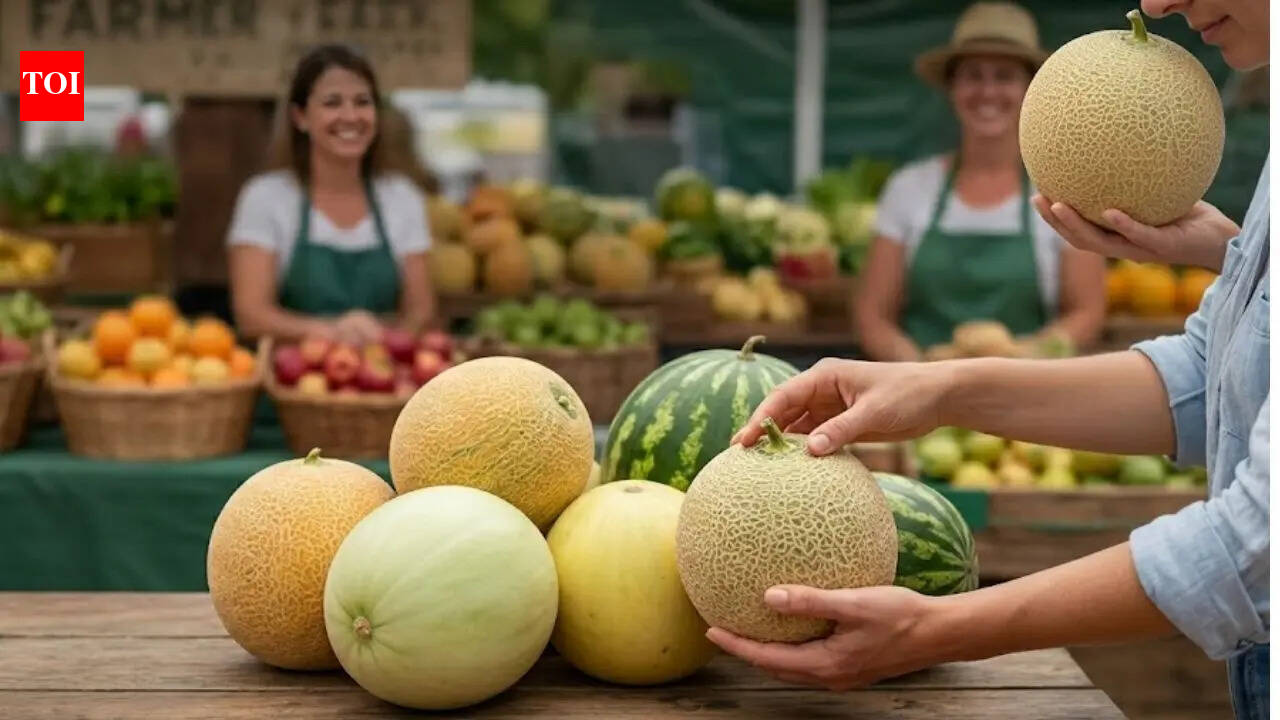
Choosing a sweet melon is less about luck and more about knowing what to look for. Melons may look alike on the surface, but it is the little things, such as weight, colour, appearance, texture, and smell, that will determine whether a particular melon is actually ripe enough to consume or not. The fruit should be sufficiently ripe, juicy, and sweet in taste.|All of these methods are related to the natural growth process of the melon. The weight indicates the amount of moisture; the field spot shows how long it has remained hanging on the plant, and the odour indicates the process of ripening and sweetness formation. All these tests together make it possible to choose the perfect melon.
Tips to choose sweet and ripe melons
Making the right choice for a delicious melon is easy when one pays attention to certain important features rather than assuming. Looking at features such as weight, colour, appearance, and smell will help one make a quick decision about the quality of the melon.
Check the melon’s weight to find a juicy and sweet fruit
The very first step while choosing the right melon is picking the melon up. If the melon feels heavy in weight, then it is usually full of juice and sugar content, making it juicy and sweet.
Look at the field spot colour to identify ripeness
The field spot is the spot at which the melon stood while growing on the plant. Creamy yellow or golden colour shows that the melon grew to full ripeness right on the plant, while pale colour shows that it was picked prematurely and has little flavour.
Tap the melon sound to check ripeness before buying
Knocking on the melon gently, it can help you to know the ripeness of the fruit. A deep, hollow sound usually means that the fruit is supposed to be juicy and developed. A dull sound shows that the melon either lacks ripeness or has become overripe.
Check the melon skin texture and surface quality
The texture of the melon’s skin should be hard, free from any signs of damage, such as cuts, dents or soft areas. The slightly less shiny texture shows that the fruit has reached the stage of full ripeness.
Smell the melon to confirm sweetness and flavour
In case of melons such as muskmelons or cantaloupes, it is important to check the melon’s smell near the stem area. The absence of odour is not a good sign, while excessive odour indicates the overripeness of the fruit.
Season matters more than you think
A ripe melon is expected to be sweeter than an off-season melon since the latter is either harvested prematurely or has been kept in storage for a long time, affecting its taste and flavour.
Let underripe melons ripen at room temperature
If a melon feels slightly underripe, it can be allowed to ripen at room temperature for a few days before being cut to enjoy the best texture and flavour.
Check inside after cutting for better quality
If the melon looks healthy and smells good when sliced, then chances are that the fruit contains plenty of sugars and other flavorful ingredients.
Avoid common mistakes while choosing melons
Never judge the fruit by its size; the bigger melons might not necessarily be sweeter. Also, never pick a glossy melon because such a fruit is often immature.