
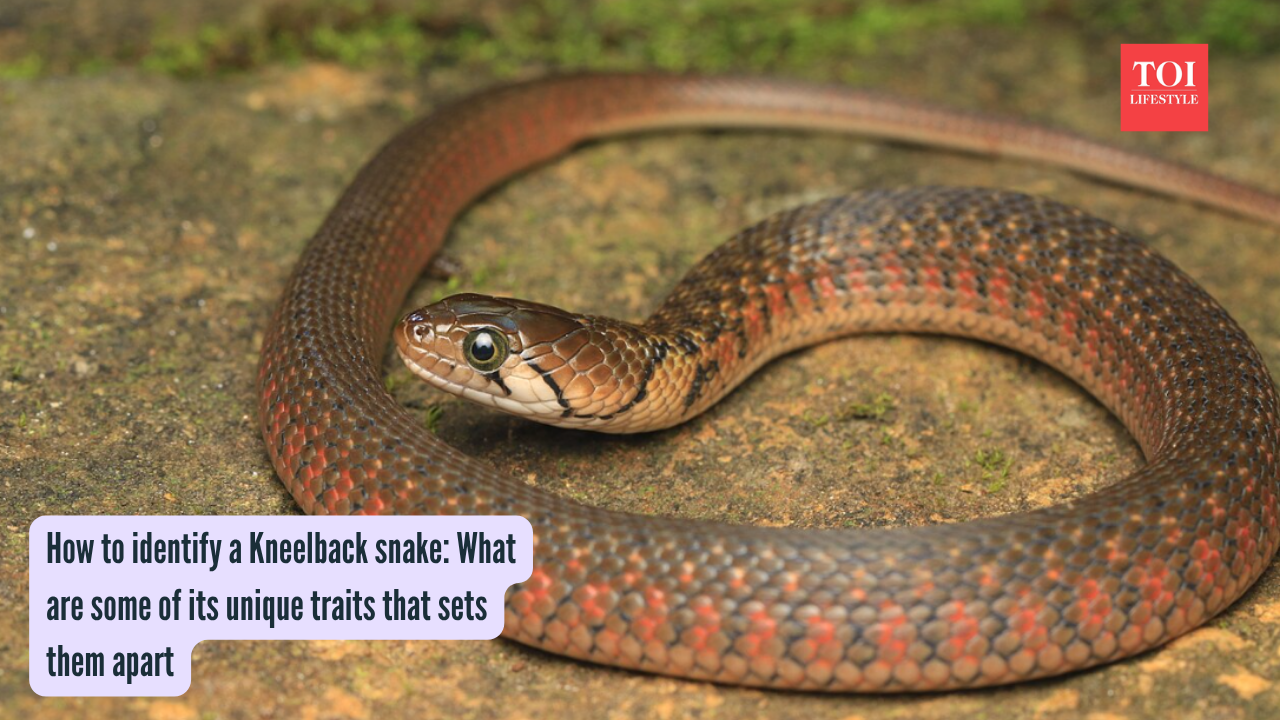
Spotting a snake slithering can instantly send chills down the spine. While these slithering reptiles have a fearsome reputation for their potent venom and quick zig zag movements, not all of these snakes are actually venomous Keelbacks are harmless wetland dwellers recently documented by India’s Wildlife Institute in remote sanctuaries like Ngengpui and Namdapha, that camouflage quite well into their surroundings.But what makes them stand apart is their unique appearance, so here’s a simple guide that can help you identify them, even from afar!
They have signature kneeled ridges
Look for the signature ridge down each scale’s center, creating a rough, textured feel which is unique to keelbacks. This keeling runs along the back in 15-17 rows, unlike smooth-scaled snakes. Look at the snake carefully from afar along the body, and you will spot the raised edges break light, helping camouflage in mud or leaves. It’s not just about enhancing the appearance, this grip helps them slither over wet rocks.
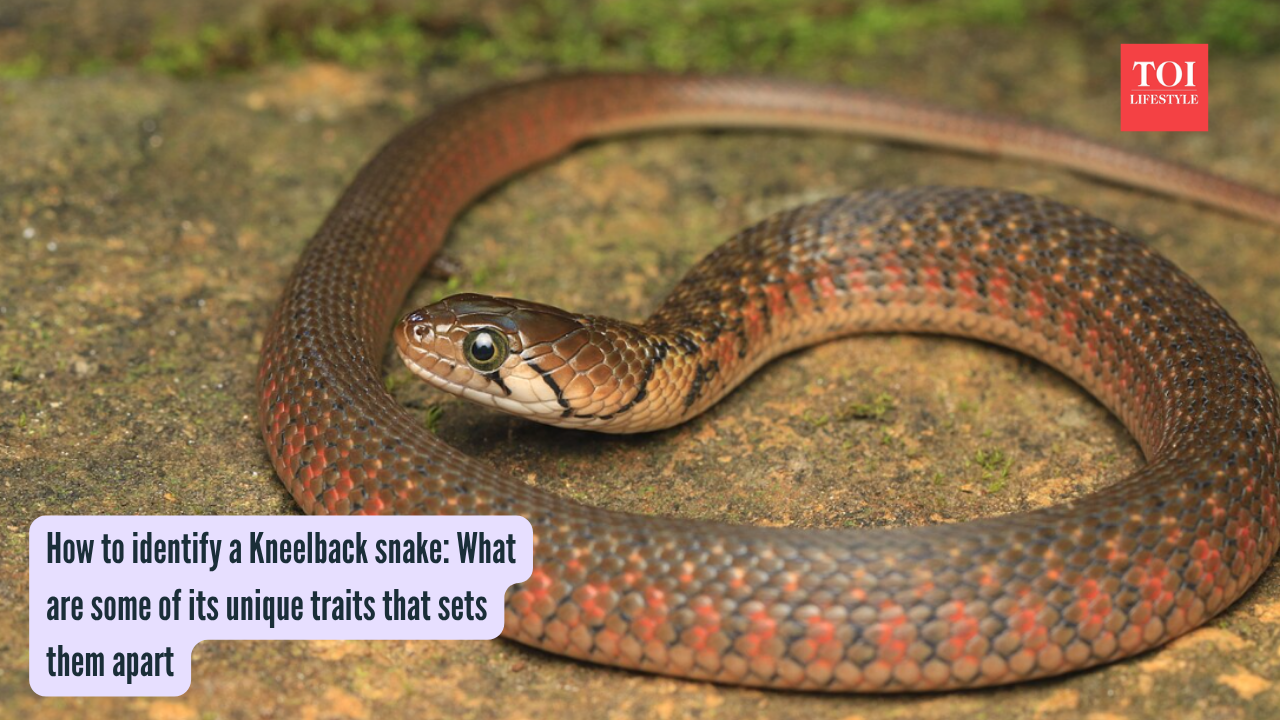
Kneelback snake juvenile (Photo via Wikimedia commons)
Where do they mostly live
Keelbacks love water, streams, wetlands, ponds in wet or dry forests. They prefer moist-habitat, often near frog hotspots in Northeast India’s biodiversity gems like Namdapha, where they can be easily spotted basking by a brook or vanishing into rice fields.
Body shape and size
These snakes stay slender and stretch up to 1-2 feet long, with stocky or elongated builds similar to vipers but are harmless. They do not have any hoods or fangs, just a wide head, round pupils, and faint bands fading with age. Juveniles have brighter colour but adults dull to brown, olive, or gray.
They have unique colour patterns
Keelback snakes show a variety of colours including gray-brown bodies with uneven dark bands, black streaks under or behind the eyes, or quincuncial spots on lighter backgrounds. White networks also separate markings and some have crossbands. Northeast species like Rakhine keelbacks have earthy tones to blend with leaf litter and mud.Compared to other rough-scaled snakes, the keels differ subtly, and are often confused with venomous snakes but their ridges set them apart.
Behaviour and diet
Keelbacks have semi-aquatic behaviors, be it swimming smoothly, basking in sun, or hunting at dusk. They eat frogs, tadpoles, lizards, and fish, linking them to thriving wetlands. Mild-mannered, they escape or release musk when threatened. Their presence signals towards healthy ecosystems by naturally controlling pests.