
Anshuman Dadheech, co-founder and chief executive officer of FiatPe, an Indian fintech company and Technical Service Provider (TSP), said QR-based payments are expected to remain significant in India, particularly for small merchants, even as payment infrastructure becomes more integrated.
“The shift is not really QR versus POS. In India, QR will continue to remain important, especially for small merchants,” Dadheech said.
He added that integrated POS infrastructure could help reduce checkout friction in retail and service environments by improving transaction reliability and authentication.
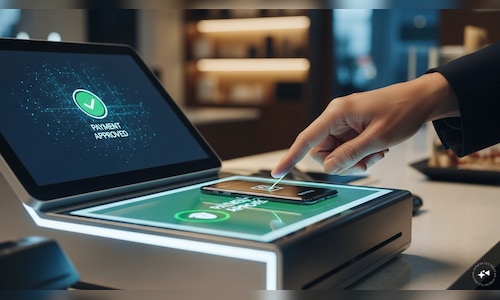
According to Dadheech, consumers may benefit from smoother payment experiences across UPI, cards, tap-to-pay, and other payment methods. He said stronger security features such as tokenisation, device authentication, transaction alerts, and additional verification layers are also contributing to safer and more transparent digital transactions.
On the possibility of hidden charges or merchant discount rate (MDR)-like costs being passed on to consumers as POS infrastructure expands, Dadheech said India’s digital payments ecosystem has largely prioritised affordability and low-friction transactions, especially for UPI payments.
He noted that merchants and payment providers continue to bear infrastructure and service-related costs, but added that collaboration between fintech firms, banks, payment networks, and the government aims to create scalable and cost-efficient payment systems.
“As technology improves processing efficiency and reduces operational costs, the aim should be to protect affordability while continuing to improve reliability, service quality, and merchant adoption,” he said.
Dadheech also said emerging payment features such as tap-to-pay, credit-on-UPI, and device-linked payments require stronger safeguards around authentication, spending limits, user consent, and data protection.
He said security measures including tokenisation, transaction limits, multi-factor authentication, real-time alerts, and regulatory oversight are being integrated into such products to address fraud and privacy concerns.
While faster and more seamless payment methods could increase the risk of impulsive spending, Dadheech said instant notifications and spending insights may also help consumers track their expenses more effectively.
First Published: May 8, 2026 4:40 PM IST