
Museums are often discussed through collections, architecture or national importance, though attendance figures reveal something slightly different. The museums drawing the largest crowds tend to sit at the intersection of tourism, public memory, and cultural symbolism. Some occupy former royal palaces. Others became landmarks because entire cities grew around them over centuries. Visitor numbers also shift with politics, travel restrictions, and changing tourism patterns, making annual rankings less fixed than they appear.Most are located in cities already carrying enormous tourist traffic, though the museums themselves have become destinations independent of the places around them. Long queues, timed entry systems, and crowd-control measures are now part of everyday operations for several of them.List of the world’s most visited museums by annual visitors Museums attract visitors for different reasons. Some hold globally recognised artworks, while others draw crowds through architecture, historical symbolism, or location alone. Attendance rankings published by Museums.eu, based on international museum visitor data, show how a relatively small group of institutions continues to dominate global cultural tourism.
The world’s busiest museums in the world
1. The Louvre, Paris
pc: wikipedia
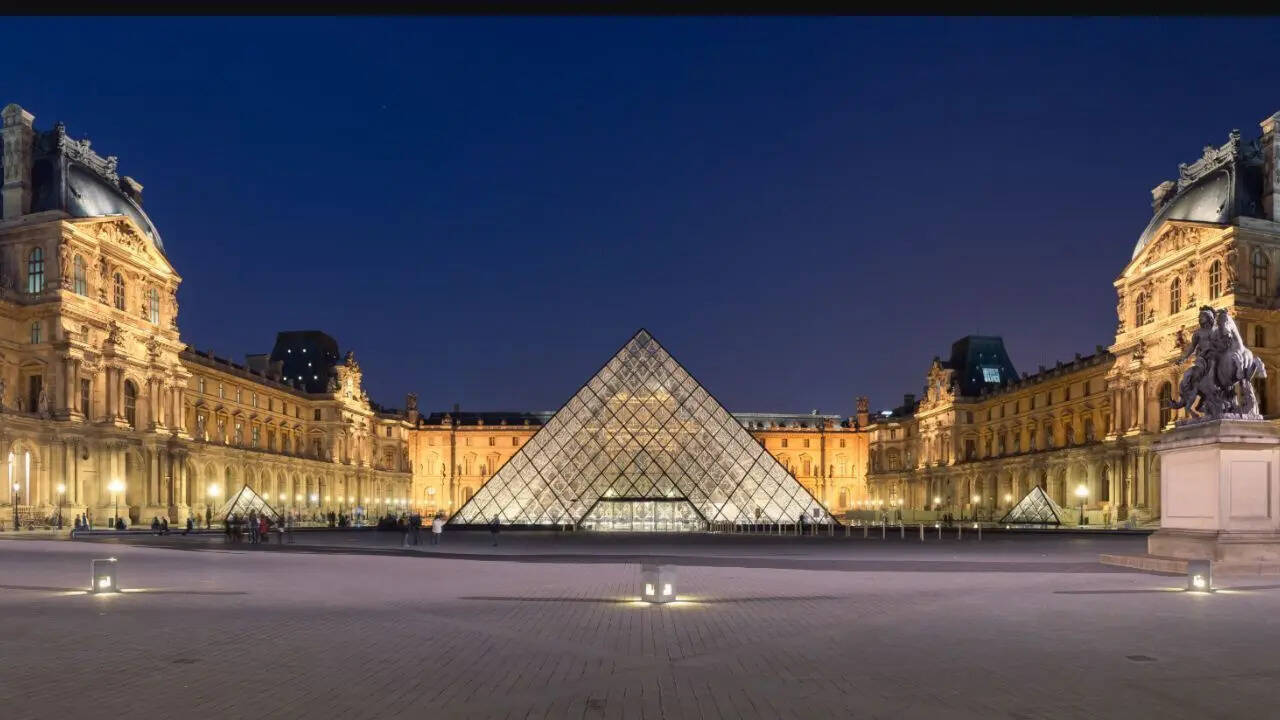
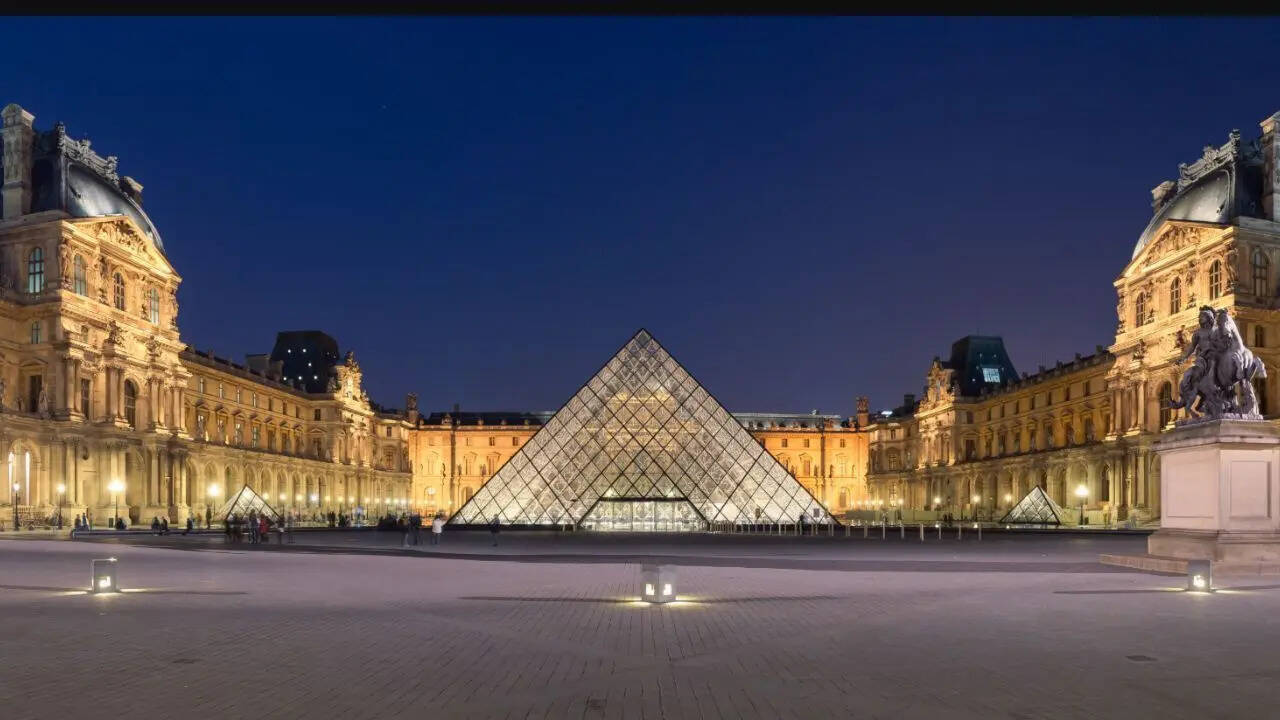
Few museums operate on the scale of the Louvre Museum. The building itself already dominates central Paris before visitors enter the galleries. Originally developed as a medieval fortress and later transformed into a royal palace, the museum expanded across centuries rather than through a single architectural plan, which partly explains its irregular layout and overwhelming size.The crowd surrounding the Mona Lisa tends to receive disproportionate attention, yet the museum’s visitor numbers come from far more than a single painting. Egyptian antiquities, Islamic art, Renaissance collections and monumental French works spread across several wings, creating the effect of multiple museums compressed into one institution. Many visitors spend an entire day inside and still leave having covered only a fraction of the collection.
2. Vatican Museums , Vatican City
pc: wikipedia
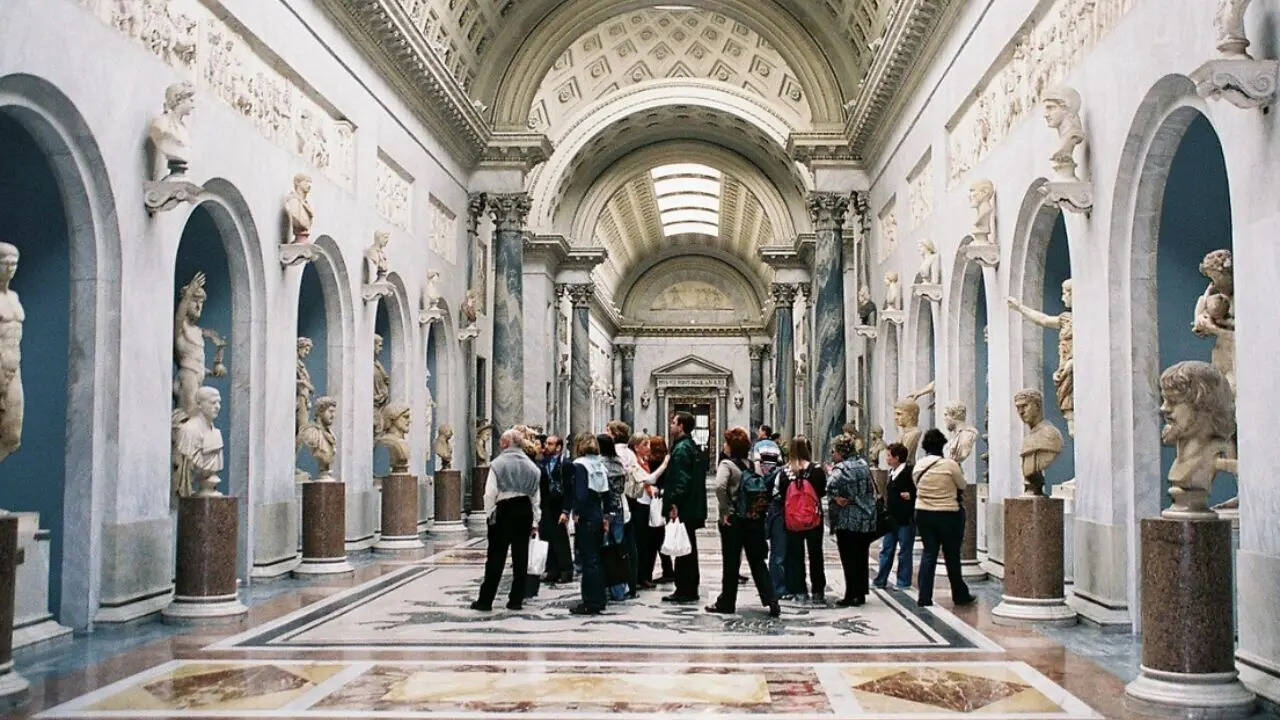
The Vatican Museums function differently from most national museums because they were never assembled primarily for public exhibition. Large sections originated from papal collections accumulated gradually through patronage, diplomacy and ecclesiastical influence. The route through the museum reflects that layered history. Corridors shift abruptly from classical sculpture to Renaissance maps, then into rooms dense with tapestries and painted ceilings.For many visitors, the journey ends beneath Michelangelo’s ceiling in the Sistine Chapel. The room’s atmosphere has changed considerably over the years as tourism expanded. Silence announcements repeat constantly while security staff manage the movement of thousands of people every day. Even so, the chapel remains one of the few spaces where the scale of Renaissance fresco painting still feels physically overwhelming rather than distant or academic.
3. British Museum, London
pc: wikipedia
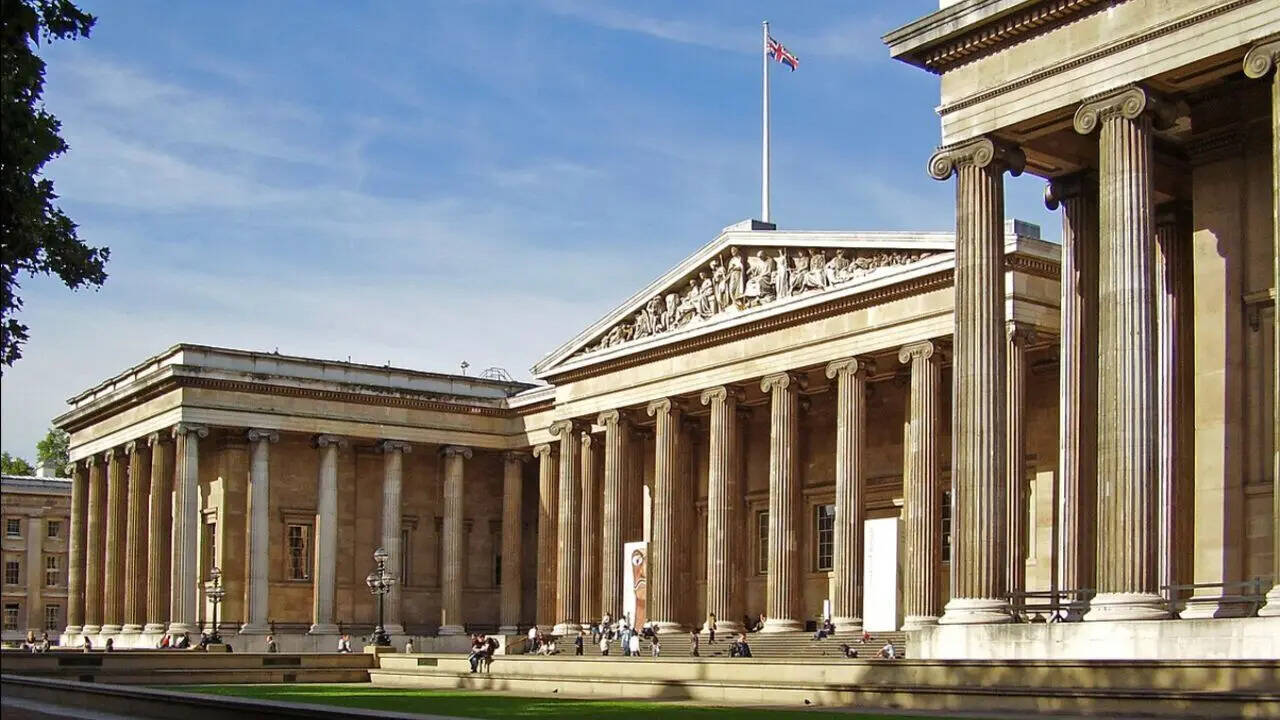
The British Museum has long occupied an uneasy position in debates around empire, ownership and restitution. Its collections stretch across continents and civilisations, often reflecting periods when Britain exercised political or military control abroad. Questions surrounding the Parthenon sculptures and other disputed artefacts continue to shape public discussion around the institution.Inside the galleries, the museum can feel less theatrical than some of its European counterparts. Much of its influence comes from density rather than spectacle. Assyrian reliefs, Egyptian mummies, Roman artefacts and ancient manuscripts sit within walking distance of each other. Visitors often move rapidly between periods separated by thousands of years without fully noticing the transitions.
4. Metropolitan Museum of Art , New York
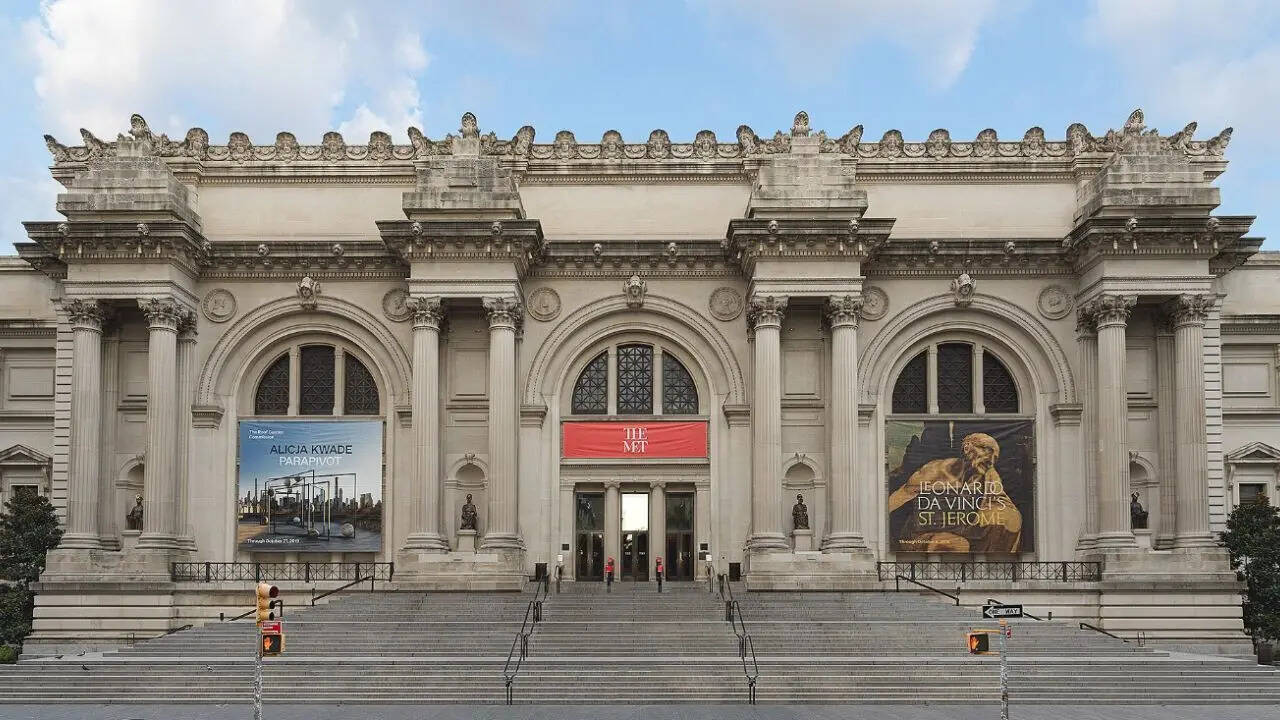
pc: wikipedia
In New York, the Metropolitan Museum of Art occupies a position somewhere between museum, archive and civic landmark. The building facing Central Park has expanded repeatedly since the nineteenth century, absorbing new departments and collections as the institution grew wealthier and more internationally connected.Unlike museums built around a single national identity, the Met spreads deliberately across cultures and eras. American decorative arts sit beside Japanese screens, medieval armour and African sculpture. The arrangement occasionally feels contradictory, though that breadth has become part of the museum’s appeal. Residents often return for individual sections rather than attempting the institution as a whole.
5. Tate Modern , London
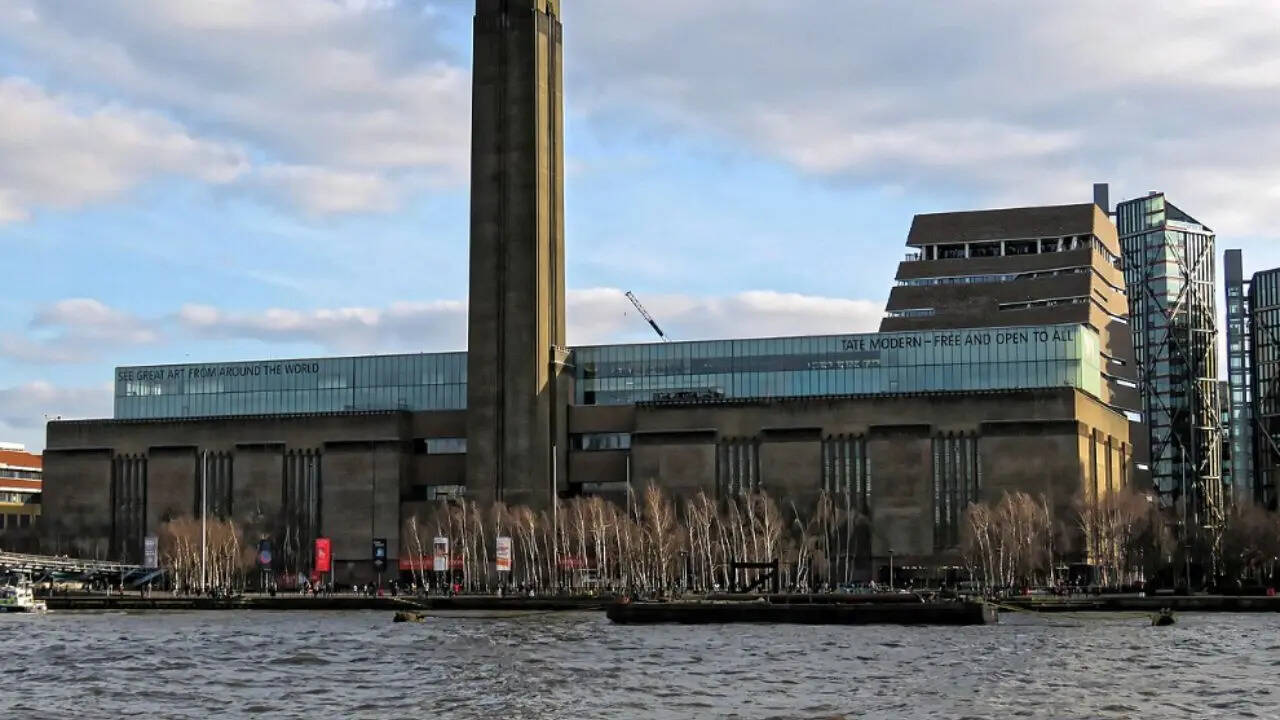
pc: wikipedia
The rise of the Tate Modern altered London’s cultural geography almost immediately after opening in the former Bankside Power Station. Industrial architecture remained central to the building’s identity, especially the cavernous Turbine Hall, which gave contemporary artists unusual spatial freedom for large-scale installations.Attendance figures at modern art museums can fluctuate sharply because exhibitions change constantly and public reactions are less predictable. Tate Modern benefits from heavy tourist traffic along the Thames, though it also functions as a social public space where many visitors enter without specific plans to study collections closely. The line between gallery and urban gathering place is less rigid there than in older institutions.
6. National Museum of China, Beijing
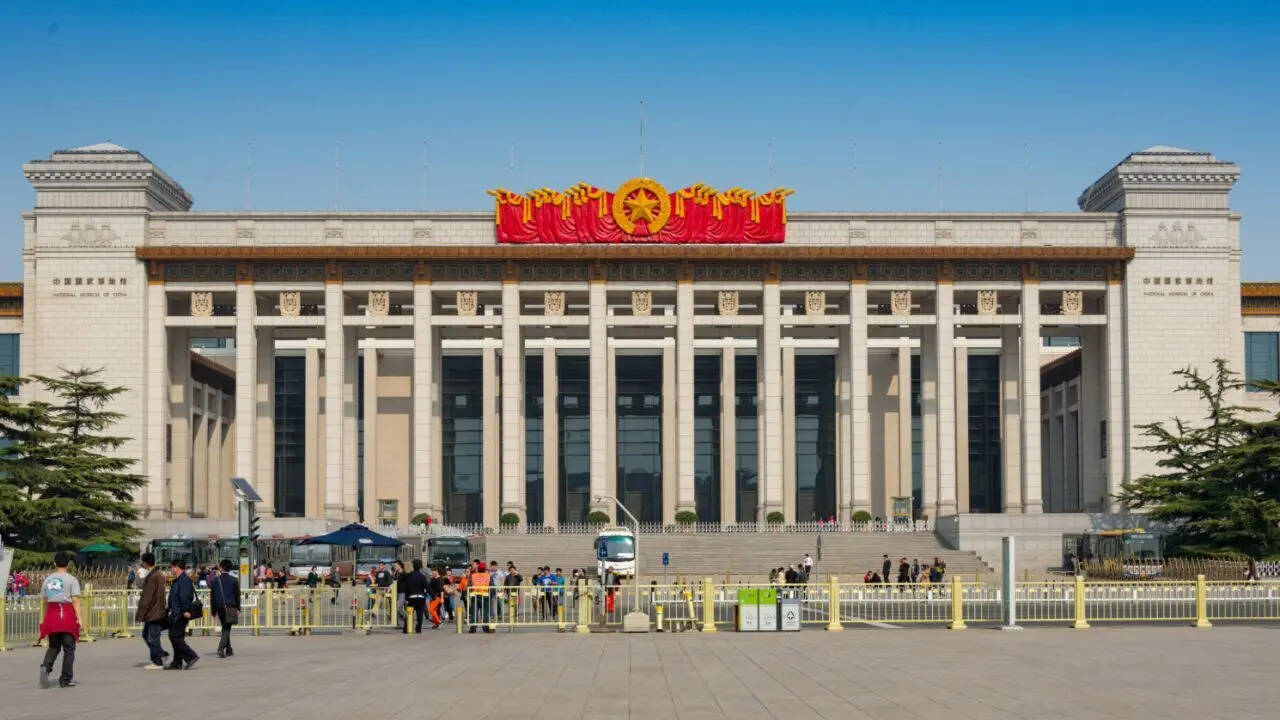
pc: wikipedia
The National Museum of China stands on the eastern side of Tiananmen Square and ranks among the world’s largest museums by floor area. Its visitor numbers grew rapidly during the past two decades alongside the expansion of domestic tourism within China.The museum combines archaeology, political history and state narratives inside a single institution. Ancient bronzes and dynastic artefacts appear alongside exhibitions tied closely to twentieth-century revolutionary history. That overlap gives the museum a noticeably different atmosphere from European institutions shaped mainly through royal collections or colonial acquisitions.
7. Natural History Museum, London
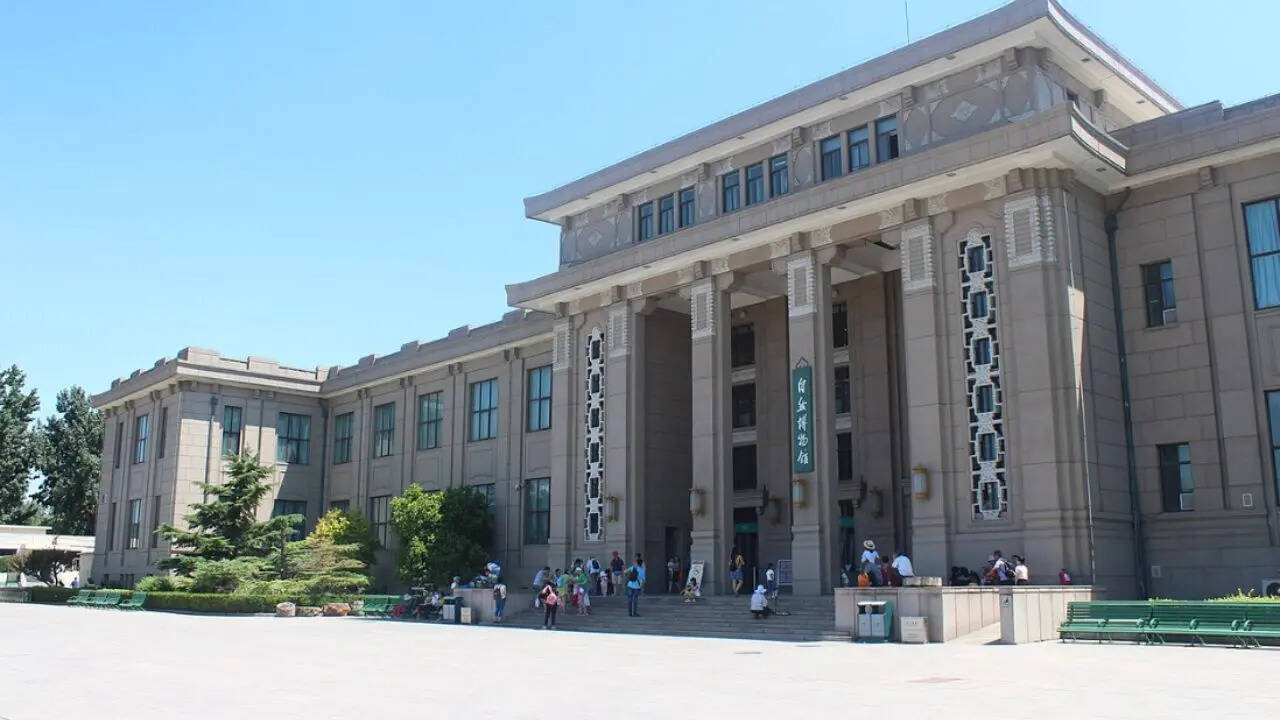
pc: wikipedia
Crowds arriving at the Natural History Museum often begin with dinosaurs, though the institution’s wider role extends deep into scientific research and specimen preservation. Millions of biological and geological samples remain stored behind public galleries, supporting work that visitors rarely see directly.The Victorian architecture still shapes the experience strongly. Arched ceilings, terracotta ornamentation and cathedral-like halls create an environment that feels closer to a civic monument than a conventional science museum. Families make up a large share of attendance, particularly during school holidays, which gives the museum a louder and less formal atmosphere than many art institutions nearby.
8. Musée d’Orsay, Paris
pc: wikipedia
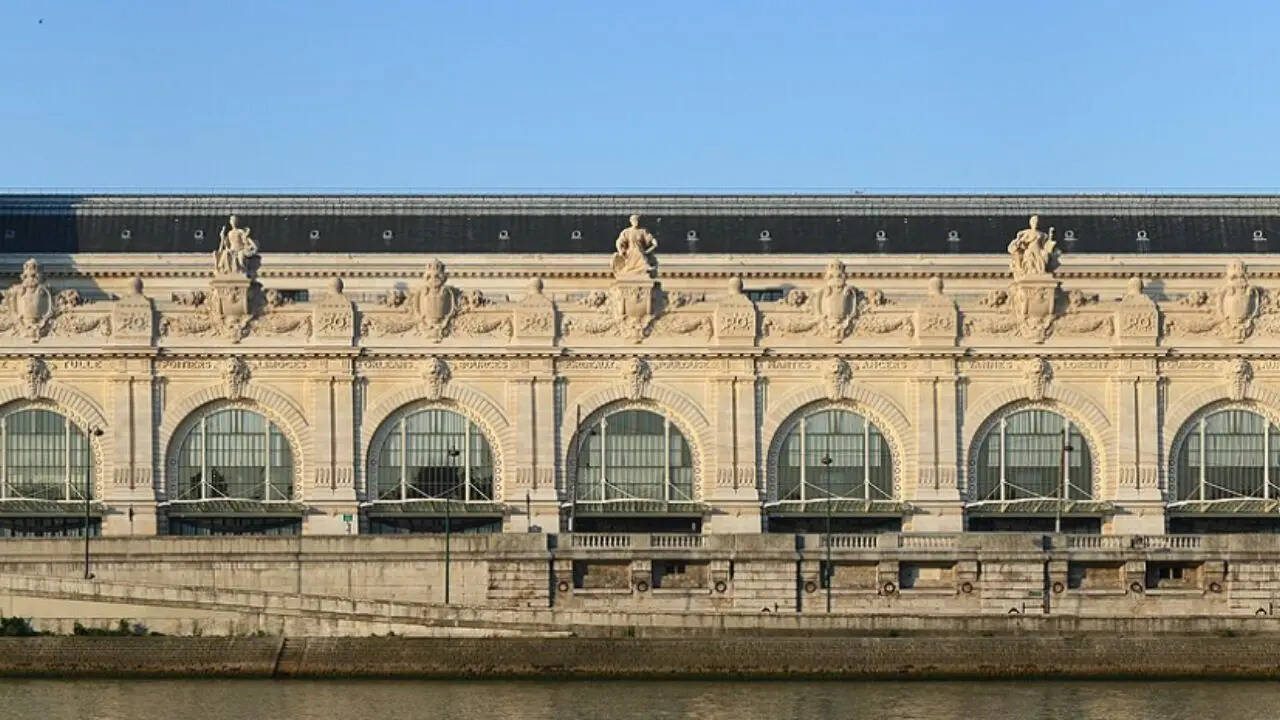
Across the Seine from the Louvre, the Musée d’Orsay occupies a converted railway station originally constructed for the 1900 Exposition Universelle. The building’s enormous clock faces and vaulted central hall still preserve traces of its earlier function, even after decades as a museum.Its collections concentrate heavily on the late nineteenth and early twentieth centuries, particularly Impressionist and Post-Impressionist painting. That narrower historical range creates a more contained experience than larger encyclopaedic museums. Visitors often move through the galleries more slowly, partly because the works are familiar and partly because the museum’s scale remains manageable compared with institutions that require several days to navigate fully.