
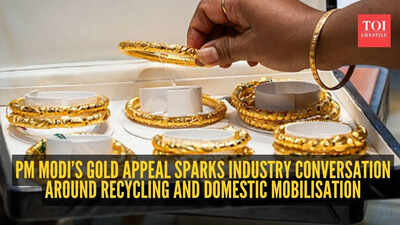
Gold in India has never been just about fashion. It’s emotion, family tradition, wedding culture, savings, and for many households, a financial safety net quietly sitting inside the locker. Which is why the recent conversation around reducing gold purchases has triggered strong reactions across the jewellery industry.After Prime Minister Narendra Modi urged citizens to consider postponing gold purchases in order to help protect India’s foreign exchange reserves amid ongoing global supply chain tensions linked to the West Asia conflict, the jewellery sector has now responded with a very different suggestion.Instead of discouraging people from buying gold altogether, industry body All India Jewellers & Goldsmith Federation (AIJGF) believes the real solution lies in better gold recycling and domestic mobilisation.And according to the industry, the stakes are much bigger than luxury shopping.
Why the jewellery industry is worried
In a letter addressed to Commerce Minister Piyush Goyal, AIJGF National President Pankaj Arora said the government’s concerns around rising imports and foreign exchange pressure are understandable, but reducing consumer demand could seriously hurt the jewellery ecosystem.“While the intention of protecting India’s foreign exchange reserves is understandable, the solution should not be demand destruction. The solution should be domestic gold mobilisation, recycling and productive circulation of India’s idle gold stocks,” Arora said.
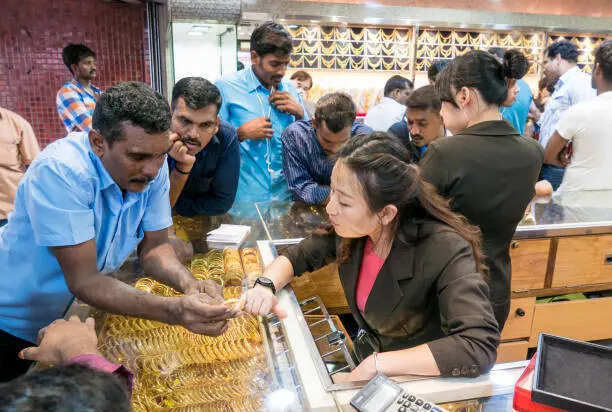
The federation warned that if consumers suddenly stop buying jewellery, the impact would go far beyond luxury retail.According to the body, slower sales could affect small jewellers, karigars, artisans, manufacturers, and workers across the entire supply chain – many of whom rely heavily on consistent wedding and festive demand to survive.“This is not merely a gold trade issue. This is a livelihood issue,” the federation added.
In India, gold is rarely ‘just jewellery’
One reason the conversation has become so emotional is because gold holds a very different cultural position in India compared to many other countries.For millions of families, gold jewellery is not viewed as an indulgence or occasional luxury purchase. It often functions as savings, emergency security, inherited wealth, and part of family traditions passed down through generations.Especially during weddings, festivals, and important family milestones, gold continues to hold enormous emotional value.The AIJGF highlighted this point strongly in its response.“For millions of Indian families, jewellery is not speculation, it is savings in wearable form,” Arora wrote.And honestly, that idea resonates deeply in Indian households.Whether it’s bangles gifted by grandparents, bridal necklaces carefully purchased over years, or coins bought during festivals like Akshaya Tritiya and Dhanteras, gold in India often carries both financial and sentimental meaning together.
The industry’s alternative solution: Recycle more gold already inside India
Instead of reducing purchases, the federation believes India should focus on bringing unused gold already sitting in homes, lockers, and vaults back into circulation.The AIJGF has proposed the creation of a dedicated bullion bank within the GIFT-IFSC or India International Bullion Exchange system. According to the federation, such a framework could help mobilise domestic gold stocks more efficiently instead of depending heavily on imports.
The body also suggested allowing gold ETFs to lend a portion of their holdings through a regulated bullion banking structure.Another major recommendation involved revamping India’s Gold Monetisation Scheme, which was launched in 2015 but failed to scale up meaningfully over the years.According to industry experts, one of the biggest problems is that huge amounts of gold remain locked away privately without contributing to the broader economy.
‘Nearly 200 tons of gold gets locked away every year’
We also reached out to Dr. C Vinod Hayagriv, Managing Director of the C. Krishniah Chetty Group, for his perspective on the growing debate around gold consumption and imports.And his response highlighted just how massive the issue may actually be.“India imports nearly 800 tons of gold annually, and industry estimates suggest that close to 200 tons is being locked away every year in the form of raw bullion purchased by individuals as passive investments. This creates pressure on foreign exchange reserves without contributing meaningfully to economic growth,” he said.At the same time, he pointed out that the gems and jewellery sector remains one of India’s biggest contributors to the economy.“The gems and jewellery sector, which contributes nearly 7 percent to India’s GDP and supports over 5 million livelihoods, continues to generate significant value through manufacturing, retail, exports and skilled employment,” he added.
The bigger issue may be idle gold, not jewellery itself
Dr. Hayagriv also suggested a structural reform that could potentially reduce unnecessary imports within a year.“We at C Krishniah Chetty Group believe a simple structural reform permitting the sale of raw bullion only to GST-registered buyers can immediately reduce unnecessary imports, improve transparency and strengthen the organised jewellery ecosystem,” he explained.According to him, this isn’t just about short-term restrictions but about building a more sustainable long-term system for the Indian economy.“India must encourage value-added consumption of gold rather than idle locker-based investments that do not support the broader economy,” he said.And honestly, that distinction is becoming central to the entire conversation.The debate now seems less about whether Indians should buy gold at all, and more about how gold is being bought, stored, and circulated within the economy.
How to recycle gold jewellery
Recycling old gold jewellery does not have to mean melting down precious memories or getting rid of pieces that have emotional value. In most Indian homes, there’s always some gold lying unused – an old chain with a broken clasp, bangles that feel too heavy now, single earrings missing their pair, or wedding jewellery that hasn’t been worn in years. Instead of letting these pieces sit forgotten in a locker, many people are now giving them a fresh life by redesigning or exchanging them for jewellery they’ll actually wear. A grandmother’s old necklace can become a modern bracelet, or an outdated set can be turned into everyday pieces without losing its sentimental connection. The important thing is to go to trusted jewellers, check the purity properly, understand the deduction charges, and make sure everything is transparent before exchanging anything. In a way, recycling gold is not just practical — it’s also a beautiful way of carrying old memories forward in a form that still fits your life today.
Why this conversation matters beyond jewellery
What makes this issue particularly interesting is how it sits at the intersection of fashion, economy, culture, and livelihoods all at once.India’s jewellery sector is deeply tied to craftsmanship too. Millions of artisans, stone workers, goldsmiths, polishers, and small family-run businesses depend on the industry for income.So whenever gold demand slows down sharply, the ripple effects often hit workers long before large retailers.At the same time, policymakers remain concerned about rising imports and pressure on foreign exchange reserves, especially during periods of global instability.
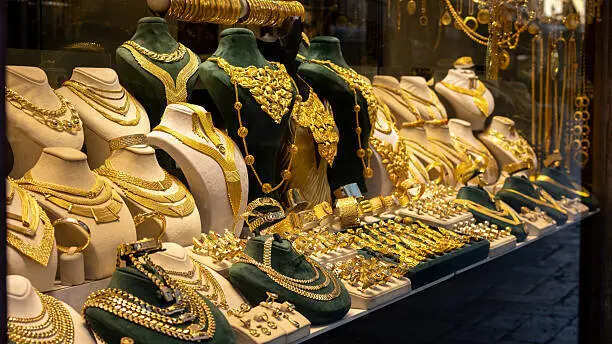
That’s why the industry is pushing for reforms focused on recycling, transparency, and better circulation of existing gold instead of reducing consumer sentiment around jewellery purchases altogether.Because in India, gold has never been just another fashion accessory.It’s culture, memory, savings, status, craftsmanship – and for many families, a financial backup plan quietly worn around the neck or stored carefully inside a locker.