
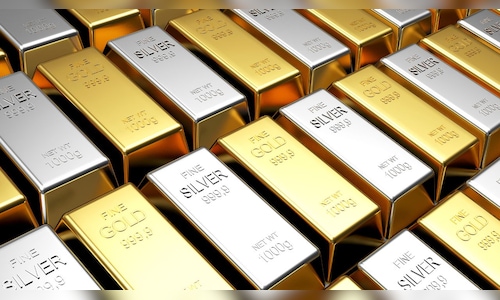
Speaking to CNBC-TV18, Nitesh Jain, Managing Director of Purple Jewels, said rising gold prices and changing consumer behaviour are pushing silver into the mainstream jewellery market.
“Silver, per se, is a very fast-growing market. People are shifting from gold to silver. We see silver as the new gold,” Jain said. “Gold is becoming unaffordable day by day. People are not able to buy the amount of jewellery they want, so their next best option is silver.”
Prime Minister Modi recently urged citizens to cut down on gold purchases as part of broader economic austerity measures aimed at reducing import dependence and easing pressure on India’s foreign exchange reserves amid tensions in West Asia.
Gold is deeply embedded in Indian households as a traditional store of wealth and is commonly bought during weddings and festivals. However, the country imported nearly $72 billion worth of gold in FY26, making it one of India’s largest import categories after crude oil.
Soumya Khurana of Khurana Jewellery House said the Prime Minister’s statement should not be seen as being against gold, but as a call for responsible economic behaviour during uncertain times.
“I think the statement that was made by our Prime Minister Modi ji was not against gold, but it was in alignment with protecting the national interest of our economy during such uncertain times,” Khurana said.
She pointed out that India had already spent nearly $32.7 billion on gold imports between the end of February and early May, adding pressure on foreign exchange reserves at a time when crude oil prices are also rising.
Khurana said the jewellery industry is encouraging consumers to recycle and exchange existing gold rather than make fresh purchases. According to World Gold Council estimates, Indian households collectively hold around 25,000 to 30,000 tonnes of gold.
“If even a fragment of what’s stored in lockers comes into the market and is rotated sensibly, that will reduce pressure on imports and foreign exchange,” she said.
Industry executives said silver may see stronger demand as consumers look for cheaper alternatives. Jain noted that silver prices have also been supported by strong industrial demand and expectations of interest rate cuts globally.
“People put money where they see immediate growth. We are seeing that silver is likely to move very quickly,” he said, adding that he expects silver prices to hit fresh highs.
Silver demand in India has also been supported by industrial applications, including electronics and renewable energy sectors, apart from jewellery and investment demand through coins, bars and exchange-traded funds.
At the same time, industry players warned that any increase in import duties or GST on precious metals could hurt employment in the gems and jewellery sector, which supports millions of jobs across the country.
While discussing import dependence, Prime Minister Modi also urged households to reduce edible oil consumption. India imports around 65% of its edible oil requirements, with vegetable oil imports costing nearly $19.5 billion in FY26.
D.N. Pathak, Executive Director at The Soybean Processors Association of India (SOPA), backed the Prime Minister’s comments, saying Indians consume significantly more edible oil than recommended.
“If household consumption of edible oil goes down, I’ll be very happy because then we will be less dependent on imports,” Pathak told CNBC-TV18. “If we eat less oil and less fat, we will be healthier and conserve foreign exchange.”
Pathak said India currently consumes around 26 million tonnes of edible oil annually and argued that a 5-10% reduction in consumption is achievable over time.
Also Read | Gold, silver and copper prices surge as China demand and supply shortages fuel metal rally
He also cautioned that a possible El Niño weather pattern could hurt domestic oilseed production, including soybean and mustard crops, potentially affecting edible oil availability in the coming year.
Apart from gold and edible oil, Prime Minister Modi also called for lower fertiliser use and greater adoption of solar-powered pumps in agriculture to reduce India’s dependence on imports and improve long-term economic resilience.