
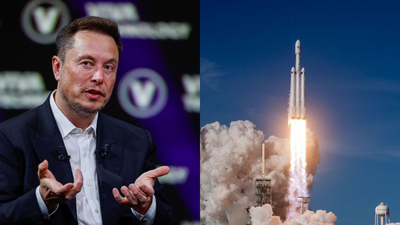
Elon Musk‘s SpaceX is planning to go public soon, and that is concerning some of the largest public pension funds in America. In a letter sent to the CEO of the rocket company, leaders of three pension fund firms have raised concerns over SpaceX’s reported governance structure, saying it could reduce shareholder protections and give Musk excessive control over the company after its planned stock market listing.The letter was signed by Thomas DiNapoli, New York State Comptroller; Mark Levine, New York City Comptroller; and Marcie Frost, CEO of California Public Employees’ Retirement System, which represents some of the largest public retirement systems in the US. The officials said “We are writing to express our serious concerns with the reported novel and extreme governance structure and provisions SpaceX is planning to disclose in its registration statement.”The planned SpaceX public offering may reportedly value the company at around $1.75 trillion and raise nearly $75 billion. The pension leaders argued that the proposed structure would heavily favour management and weaken accountability mechanisms for public investors.
US pension fund companies object to SpaceX’s voting control and board structure
The officials said the reported governance structure would hand Musk significant power through super-voting Class B shares. According to the letter, Musk could retain around 79% voting control while holding roughly 42% of the company’s equity.The pension leaders also objected to provisions that could make it difficult to remove Musk from his positions as CEO and chair. They wrote that under the reported structure, Musk’s own vote would effectively be required for his removal.“Removal of the Company’s most powerful officer would, as a mathematical matter, require his own vote – essentially making him unfireable without his own consent,” the letter stated.The letter was also addressed to SpaceX President Gwynne Shotwell and CFO Bret Johnsen. The pension funds criticised the company’s reported plan to adopt controlled-company status, which would allow it to bypass certain independent board requirements.The officials further highlighted concerns around Musk’s leadership roles across multiple companies, including Tesla, X, xAI, The Boring Company, and Neuralink.They argued that SpaceX and Tesla could end up competing for Musk’s time and focus due to overlapping compensation packages and operational responsibilities.“Long-term shareholders, under the reported governance structure, will have no independent board majority, no functioning derivative remedy and no entitlement to true judicial review through which to address the conflicts that this concentration of roles will inevitably produce,” the officials wrote.The pension funds also raised objections to reported mandatory arbitration clauses and Texas corporate law provisions that could make shareholder lawsuits harder to pursue.In the letter, the officials urged SpaceX to reconsider its proposed governance model prior to submitting its IPO filings. They advocated a one-share-one-vote structure, a majority-independent board, separation of the roles of CEO and chair, and the removal of mandatory arbitration provisions for shareholder claims.