
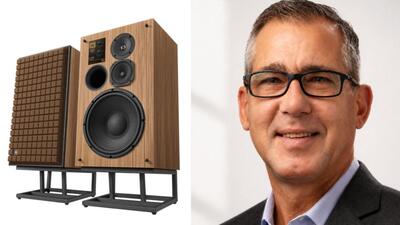
On October 1 in 1946, American audio engineer James Bullough Lansing founded Lansing Sound Incorporated, which was soon renamed James B. Lansing Sound. In short, JBL. Before Lansing tragically took his own life in late 1949, the company had engineered the iconic D130, a 15-inch loudspeaker driver which featured a radical composition of a 4-inch flat-ribbon wired voice coil and Alnico V magnets—these still serve as a manufacturing benchmark, eight decades later. Over the years, JBL (which was purchased by Harman International), also delivered the L100 stereo benchmark (their best-selling speaker ever since 1970, across iterations), the JBL 4310 three-way studio monitor which shaped modern music mixing processes, and commitment to innovation such as community focused initiatives that include a JBL Campus Program and a partnerships with Girls Make Beats.
At this 80 year milestone, JBL finds itself surrounded by tremendous competition, across its product lines. Here are some. Home audio bears competition from the likes of Marshall and Sonos. Soundbars, from Sennheiser and Yamaha. Headphones, perhaps the most hotly contested space, sees JBL compete with everyone from Sony to Apple. Same for true wireless earbuds. And if we are to reference the portable audio and bluetooth speaker category, countless brands known and not so much, vie for attention and orders.
In a conversation with HT on this milestone moment, Dave Rogers, who is President of the Lifestyle Division at Harman, insists JBL’s legacy is built on breakthrough engineering, and that’s a continuing approach. “Studio-grade fidelity, stage-worthy power, and everyday reliability,” the three non-negotiable pillars in Rogers book. This should hold JBL in good stead with its next lines of products in complex markets such as India, which Rogers says has a listening and consumption diversity that naturally creates demand for versatile sound tuning. Edited excerpts.
Q. What would be the big milestones for JBL in this journey thus far, and it’s been a diverse journey across professional, consumer, luxury and automotive audio segments?
Dave Rogers: JBL’s story begins in the golden age of sound, when cinema was transforming entertainment and live music was defining culture. The company quickly built its reputation, becoming the benchmark for acoustic precision in professional applications. From the compression drivers that established Grammy-winning technical standards for recorded sound, to powering historic events like Woodstock in 1969, capacity to deliver trusted performance at scale was established. This early history of pioneering sound quality laid the foundation for decades of continuous evolution.
Over eight decades, the brand has mastered the art of reinvention, executing at least two critical strategic pivots to sustain market leadership. JBL’s first great leap was bridging the gap between the professional world and the consumer market during the post-war rise of hi-fi culture. By translating its cinema and studio engineering heritage into accessible consumer products, JBL democratised professional-grade sound for everyday listeners, empowering people to experience the same fidelity trusted by producers, engineers, and artists. Iconic products like the Paragon and the L100 became cultural artefacts, establishing JBL as the authentic link between the creation and consumption of music.
The second, more recent pivot, embraced the digital age. Recognising that sound was becoming mobile, personal, and defined by streaming, JBL shifted focus from purely mechanical engineering to software-driven capabilities and portable design. By doubling down on personal audio that prioritised seamless experiences, mobility, and features like extended battery life and ruggedness, JBL established its leadership in the Bluetooth revolution through its portable speakers and headphone products.
Q. To that point, how do you see this as a springboard for the next 80?
Dave Rogers: We always been committed to innovation and our growth has allowed us to accelerate R&D cycles, scale global operations, and broaden our product portfolio. JBL is also looking beyond breakthrough tech to ensure its enduring relevance. Through championing community initiatives like the JBL Music Academy, a platform that brings together young talent and industry professionals, the brand is investing in diverse, emerging talent in an effort to define what sound means for generations to come.
This journey stands as a lesson in having the courage to reinvent itself in the relentless pursuit of sound that connects generations and communities worldwide.
Q. Audio is becoming increasingly software defined, with the term AI thrown around rather liberally. Is that the case, and what’s JBL’s approach to audio across the different segments and does that define how you design products?
Dave Rogers: For 80 years, JBL’s reputation has been built on a foundation of technical rigour, material innovation, and a relentless drive to solve the most complex challenges in audio engineering. Today, the brand’s legacy and future are embodied by a new generation of stewards—people whose expertise and vision ensure that JBL’s signature sound and aesthetic remain both scientifically advanced and emotionally resonant.
The team behind the technical innovations build upon the framework set out by its early leaders. Entering its ninth decade, the engineering team is focused on integrating artificial intelligence, adaptive noise cancellation, and real-time spatial audio rendering into professional, consumer, and automotive products. The challenge is to harness computational power without compromising the brand’s hallmark fidelity. Engineers are developing systems that personalise and optimise the listening experience in real time, leveraging machine learning to adapt to both user preferences and environmental variables.
The design-led engineering created cultural icons that serve as competitive differentiators and long-standing industry icons like the L100 and the intention is to continue to innovate and establish design and UX trends across all our categories.
Q. How distinct are Indian listening habits compared with other global markets, whether in terms of music preferences, or device usage, or more bass-forward sound signatures? Where would you place India among other geographies, on discovering premium audio experiences?
Dave Rogers: When it comes to sound signature preferences, Indian consumers have traditionally gravitated towards energetic, bass-led audio experiences. However, we are now seeing a clear and growing appreciation for more balanced, high-fidelity sound, particularly within the mid-premium and premium segments.
India’s premium audio adoption journey is still evolving, but the market is progressing rapidly as consumers become more discerning about overall sound quality and listening experiences. At the same time, content consumption in India is incredibly diverse—spanning regional music, Bollywood, devotional content, podcasts, and increasingly, global streaming platforms. This diversity naturally creates demand for versatile sound tuning. Consumers today expect impactful bass that delivers mass appeal, while also seeking clarity in vocals, dialogue, and instrument separation for a richer and more immersive listening experience.
Q. Many legacy audio brands struggle to stay up to date with modern demands, such as Spatial Audio or immersive sound tech. How do you approach new audio tech and trends, and when does something become ready for shipping to consumers?
Dave Rogers: Our engineers don’t just innovate, they set out to define industry benchmarks. From the 300+ technology patents to the Technical Academy Awards, JBL’s breakthroughs were first consecrated in the most demanding professional environments—cinema reference theatres and stadium sound systems. This technical validation is the bedrock of the consumer experience, ensuring every portable speaker, like the PartyBox, carries the DNA of professional reliability and clarity. We focus on how consumers consume content, that is audio, movies, podcasts, and we strive to be the best at delivering a great experience no matter what the consumer use case is. Our story is about 80 years of audio innovation, and the story is still being written.