
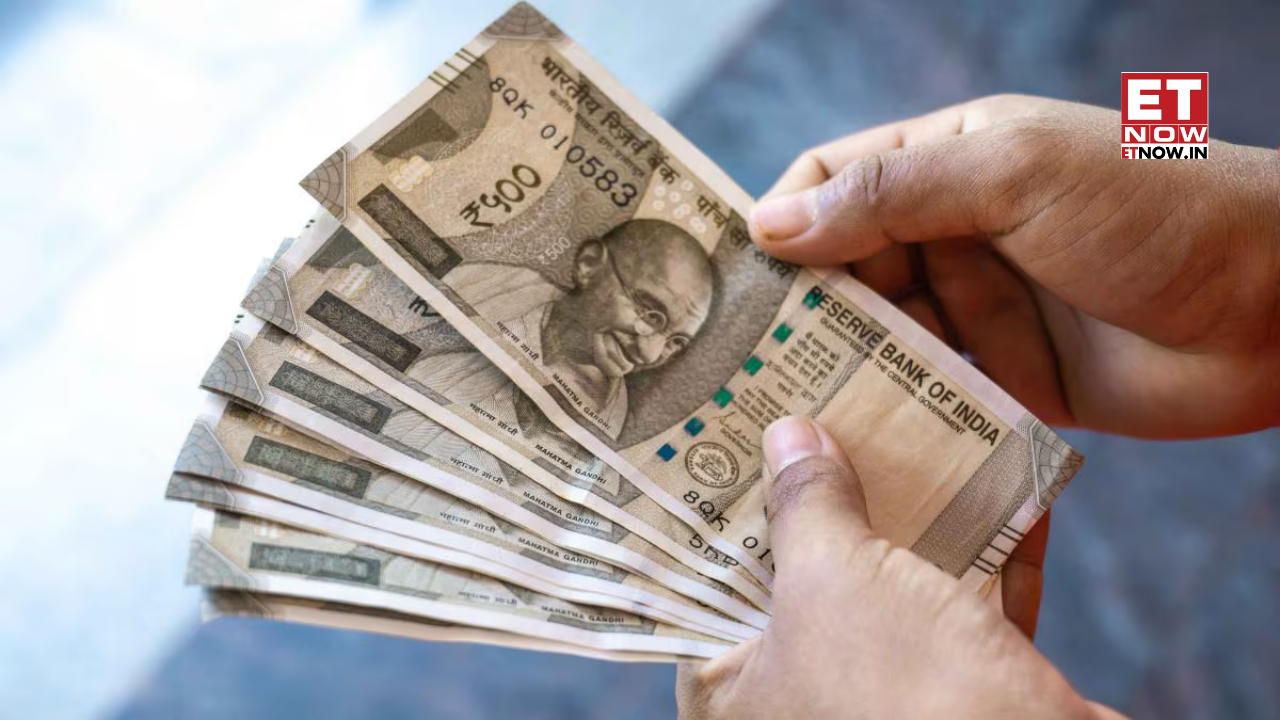
The Indian rupee came under sharp pressure on Monday, opening 21 paise weaker at a record low of Rs 96.17 against the US dollar, compared with Rs 95.96 in the previous session. The currency extended its losses after breaching the key Rs 96 mark for the first time on Friday, weighed down by a surge in global crude oil prices above USD 110 per barrel and continued strength in the dollar, which have intensified concerns around India’s import bill and external balances.
“With the rise in dollar index due to simmering Iran tensions the dollar Index has risen to 99.36 levels while Asian currencies are all down against the dollar. With the rise in oil prices to beyond USD 111.50 per barrel rupee will be affected the most as rising oil prices increases the outflows of $ along with the outflows already happening due to FPIs,” said Anil Kumar Bhansali, Head Of Treasury, Finrex Treasury Advisors LLP.
Global oil prices surged past the USD 110 mark, driven by escalating tensions in West Asia and heightened geopolitical uncertainty, while U.S. equity markets closed sharply lower amid rising bond yields and weakening investor sentiment. Brent crude climbed to around USD 111.4 per barrel, gaining roughly 2 per cent, while West Texas Intermediate crude rose to USD 108.0, up over 2.4 per cent. Adding to market anxiety, U.S. President Donald Trump in Truth Social post write for Tehran that “The clock is ticking,” Trump further asked Iran to “get moving fast.”
Oil prices have remained highly volatile, with concerns mounting over potential supply disruptions at the Strait of Hormuz, a critical maritime chokepoint that handles nearly 20 per cent of global oil flows, heightening inflation risks for economies worldwide.
Earlier on April 30, Brent climbed near a multi-year high of USD 126 a barrel, gaining nearly 7 percent intraday, extending the momentum built on the back of a strong surge earlier. Before, on March 9, Brent crude surged over 27 per cent to trade at a multi-year high of USD 119 a barrel amid escalating Middle East tensions.
The Indian rupee could weaken further and approach the psychologically significant 100 mark against the US dollar within the next six months if external pressures, particularly elevated oil prices, persist, Bhansali had earlier said.
Bhansali said that policy intervention could slow or even reverse the rupee’s slide. “If government of India doesn’t take any further steps… then the pressure continues,” he said, while listing potential measures such as tweaking FII tax norms, reducing outward remittance limits under the Liberalised Remittance Scheme, and attracting fresh inflows through instruments like foreign bonds or NRI deposit schemes. “If such types of measures are taken, then we can see the rupee’s depreciation pausing…the dollar will be moving down,” he added.
(Disclaimer: The above article is meant for informational purposes only, and should not be considered as any investment advice. ET NOW DIGITAL suggests its readers/audience to consult their financial advisors before making any money related decisions.)