Muskmelon usually disappears quickly during summer, though the peel often goes straight into the bin without much thought. In some households, however, fruit scraps are kept aside for small cleaning jobs around the house. Muskmelon peel is one of those leftovers that people occasionally reuse because of its soft texture and moisture-rich surface.It is not treated as a replacement for proper cleaning products, though it can help with quick touch-ups in kitchens and bathrooms. The peel is gentle enough for smooth surfaces and easy to use without extra preparation. These simple hacks are mostly practical, inexpensive and based on making use of something that would otherwise be discarded immediately after eating the fruit.
Don’t throw away muskmelon peel: 6 clever cleaning hacks that actually work
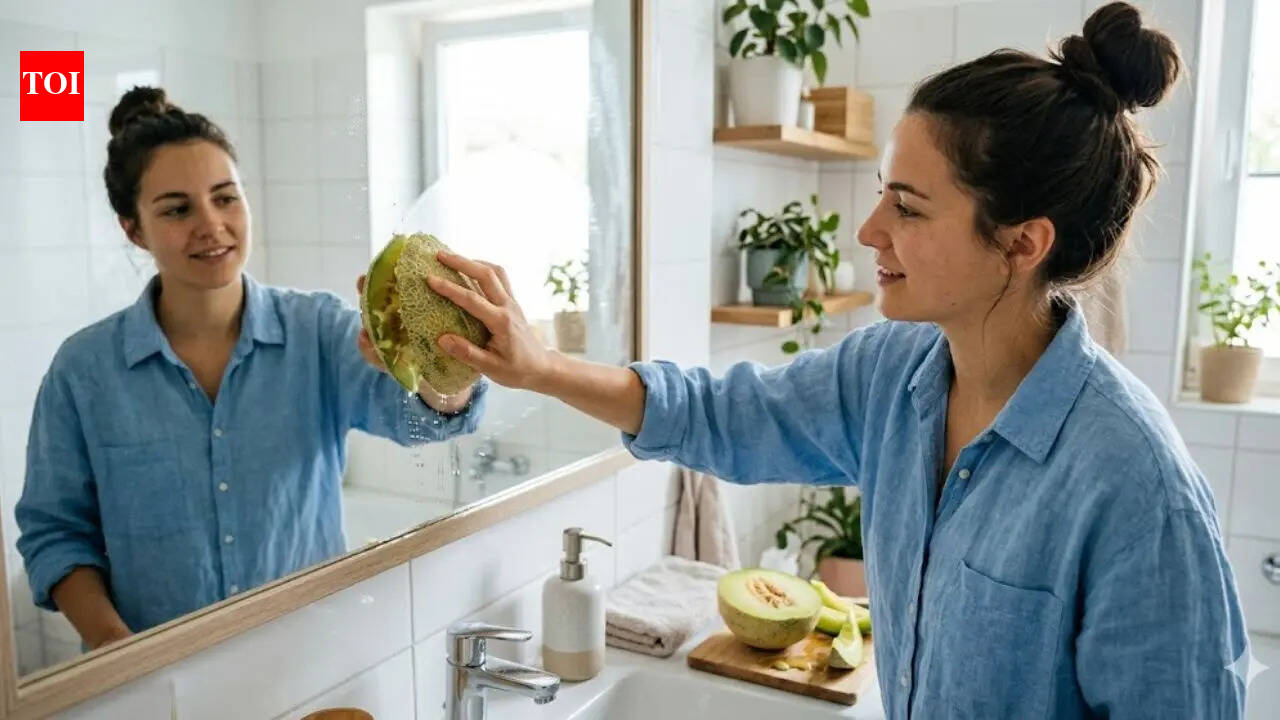
1. Freshening stainless steel sinksStainless steel sinks often lose their shine after repeated exposure to water, soap residue and food stains. Light cloudy patches can start appearing around the drain and edges, even when the sink is rinsed regularly. Some people rub the inner side of muskmelon peel directly over the metal surface to help loosen these marks. The peel feels soft rather than abrasive, so it works more like a gentle wipe than a scrubber. After rinsing and drying, the sink can appear cleaner and slightly brighter.2. Wiping marks off mirrorsBathroom mirrors collect fingerprints, toothpaste splashes and moisture marks throughout the day. A quick wipe with muskmelon peel is sometimes used to clear light smudges before finishing with a dry cloth. The moisture left behind by the peel helps lift surface dust and fingerprints. Most people use a microfibre cloth afterwards, so the glass does not dry with streaks. It works best for small everyday marks rather than heavily dirty mirrors.3. Cleaning kitchen countersCountertops near cooking areas often become sticky from food preparation, fruit juice or oil splashes. Muskmelon peel can be rubbed lightly across these surfaces before wiping them clean with a damp cloth. The process is simple and creates very little mess. Some people also like the mild fruity smell left behind for a short time after cleaning, though it fades naturally within a while.4. Refreshing tiles around the homeBathroom and kitchen tiles tend to gather dust, water spots and thin layers of grime, especially near sinks and stoves. Muskmelon peel is sometimes used to wipe these surfaces before rinsing them with water. Smooth tiles respond better than rough grout lines, which usually still need regular scrubbing. The peel is mainly useful for light surface dirt and quick touch-ups between deeper cleaning sessions.5. Reducing refrigerator odoursRefrigerators can slowly absorb smells from leftover food, chopped vegetables and uncovered containers. A few fresh muskmelon peels placed in a bowl inside the fridge may help soften mild odours for several hours.Fresh peel tends to work better than older dried pieces. Most people remove it within a day, so it does not become soggy or start losing its freshness.6. Why do people reuse fruit peelsUsing fruit scraps for household purposes has existed for years in different forms. Lemon peels, orange skins and banana peels have all been reused in simple cleaning routines, mostly for convenience rather than deep sanitising. Muskmelon peel fits into the same habit of reducing waste while finding small uses for kitchen leftovers. These hacks remain basic, though many people still prefer trying them because they are easy, inexpensive and require almost no effort at all.