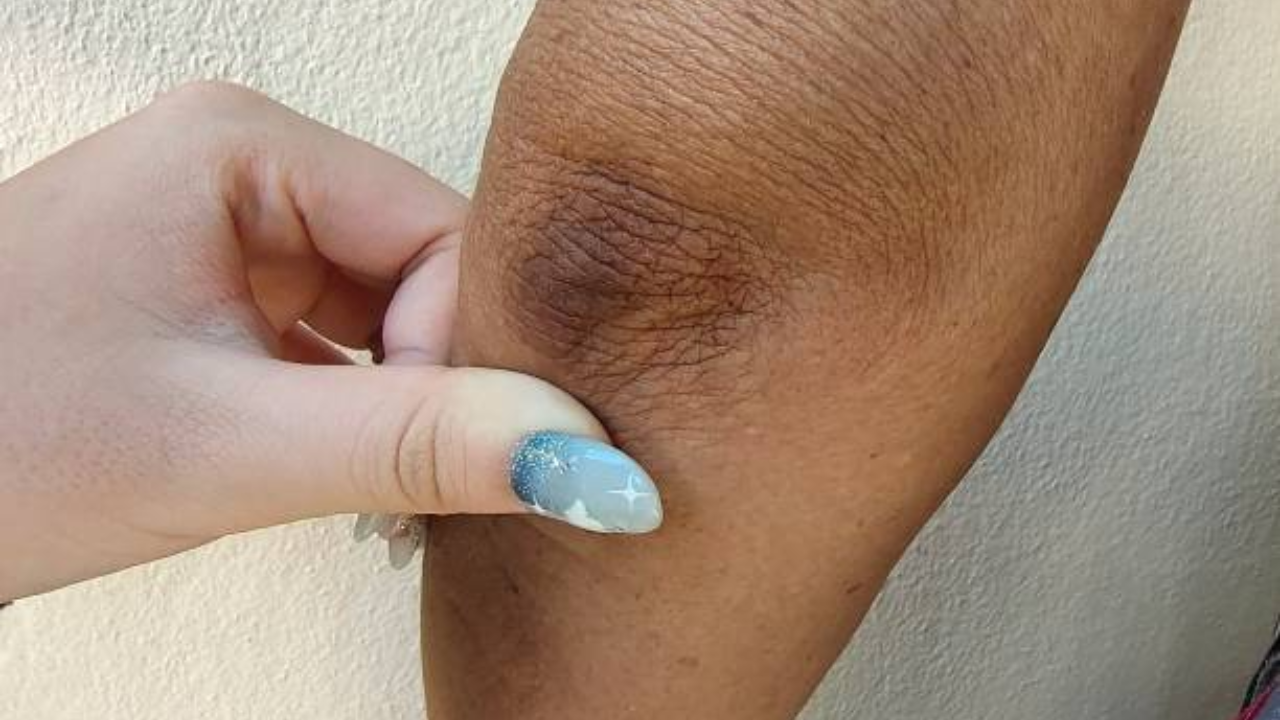
A lot of people notice the dark, slightly thickened skin and just brush it off. Maybe they think it’s tanning, dirt that won’t wash off, or just “one of those skin things.” And that’s where the problem begins. Acanthosis Nigricans doesn’t hurt. So it quietly sits there, easy to ignore.
There’s also the way we’re used to treating skin issues in general. If something looks dark or uneven, most people reach for scrubs, home remedies, or cosmetic creams. The thinking is simple: fix the surface. And when nothing really works, they either keep trying harsher fixes or just give up. What rarely crosses the mind is that this isn’t just a skin concern, it’s often linked to metabolic imbalance. But since the connection isn’t obvious, people don’t go looking for it.
“Many people think that dark patches on the neck or underarms are due to tanning, friction, or poor hygiene. However, in many cases these skin changes may be a condition called acanthosis nigricans, which can signal an underlying metabolic issue,” Dr. Narayanan A, Consultant, Dermatology, SRM Prime hospital, Chennai told TOI Health.
Where Acanthosis Nigricans can hide