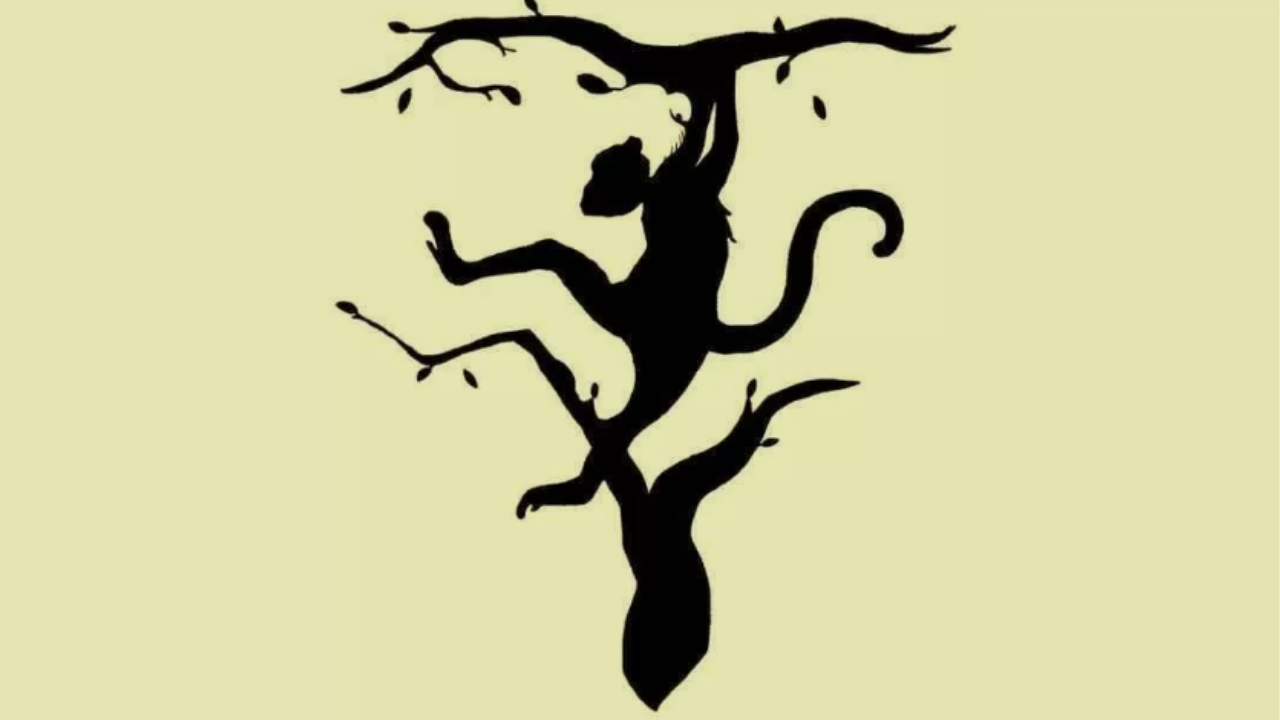
Some proverbs survive because they sound poetic. Others survive because people quietly recognise truth inside them, even if the wording feels exaggerated at first. This old Greek proverb seems to belong in that second group. The sentence is short, though it carries a surprisingly large idea about resilience, emotional survival and the different ways human beings deal with pain.“A woman has nine lives, a man only one.”At first, the proverb almost sounds playful. A little dramatic, too. Yet the more somebody thinks about it, the more emotionally serious it becomes. The image of “nine lives” immediately brings cats to mind because many cultures associate cats with survival, adaptability and the strange ability to recover from danger repeatedly. The proverb appears to borrow that image and apply it to women, suggesting that women often possess an extraordinary ability to survive emotionally difficult situations more than once in a lifetime.That idea probably feels familiar to many people.Across generations, women have often carried emotional burdens quietly while continuing to function normally for everybody around them. A woman may deal with heartbreak, grief, exhaustion, disappointment or betrayal while still going to work, caring for family members or supporting friends emotionally. Many people have witnessed that kind of quiet endurance somewhere in their own lives.The proverb seems to recognise exactly that.Not dramatically.Not sentimentally either.Just honestly.
Greek proverb of the day
“A woman has nine lives, a man only one”
Understand the meaning of this Greek proverb
At its core, the proverb appears to be describing resilience rather than literal survival. The phrase “nine lives” symbolises the ability to recover emotionally after painful experiences and continue moving forward. The saying suggests that women often adapt to hardship repeatedly without fully breaking under pressure.That resilience can appear in ordinary situations that people rarely discuss publicly. Someone may rebuild life after a painful divorce. Another woman may carry years of stress while quietly holding an entire family together emotionally. A mother may continue caring for everybody else while ignoring her own exhaustion completely. These experiences rarely look dramatic from the outside, though emotionally they can become incredibly heavy over time.The proverb seems to admire the ability to endure despite all of that.The second half of the line, “a man only one,” does not necessarily mean men are weak. Instead, it probably reflects older ideas about emotional coping and vulnerability. Historically, men were often taught to suppress feelings rather than openly process them. Strength became associated with emotional silence. As a result, emotional setbacks sometimes affected men differently because vulnerability itself was discouraged socially.The proverb exaggerates the contrast slightly, though the emotional observation underneath it still feels surprisingly recognisable today.
Women have often carried invisible emotional labour
One reason this proverb still resonates is that emotional labour remains largely invisible even now. Many women continue balancing responsibilities that rarely receive public recognition. They manage relationships, support family members emotionally, solve problems quietly and absorb stress while appearing calm externally.That emotional work can become exhausting.Still, because it happens privately, people often underestimate how heavy it really is.A woman may comfort everybody around her while secretly struggling herself. She may experience stress, disappointment or loneliness while continuing to appear emotionally steady because others depend on her stability. Over time, many women become highly skilled at surviving difficult emotional periods without openly discussing how much energy that survival actually requires.The proverb seems to recognise this hidden strength.It does not describe loud heroism or dramatic victories. Instead, it points toward something smaller and more believable. The ability to recover after emotional pain. The ability to continue functioning during difficult periods. The ability to survive setbacks repeatedly without losing the capacity to care for other people.That kind of resilience often goes unnoticed precisely because it becomes normalised.
Modern ideas about strength may miss the point
Modern culture often treats strength as something aggressive, visible and dominant. Films, social media and celebrity culture frequently associate power with confidence, control or public success. Emotional endurance usually looks very different in real life.Sometimes strength appears quietly.Sometimes it looks like patience.Sometimes it simply means getting through another difficult day without emotionally collapsing.Women throughout history often demonstrated this quieter form of resilience because circumstances demanded it repeatedly. Not perfectly, of course. Nobody remains endlessly strong. Still, many women learned how to adapt emotionally because life forced them to rebuild themselves more than once.The Greek proverb appears to acknowledge that reality directly.A woman having “nine lives” symbolises adaptability rather than perfection. The saying suggests that resilience comes from surviving hardship repeatedly, not from avoiding hardship completely.That distinction matters.People often admire strength while forgetting that strength usually develops through painful experiences first.
Men and women were often raised differently emotionally
Another layer hidden inside the proverb involves the different emotional expectations traditionally placed on men and women. Women were often encouraged to discuss emotions more openly with friends or family members. Men, meanwhile, were frequently taught to remain emotionally controlled and self-contained.That difference shaped coping habits over generations.Some men still struggle expressing vulnerability because they fear appearing weak or emotionally exposed. Women, despite carrying enormous emotional pressure themselves, may sometimes develop stronger emotional coping systems simply because they learned to process feelings more openly instead of burying them entirely.The proverb seems to exaggerate this contrast for dramatic effect, though the broader observation still feels emotionally familiar to many readers.People who repeatedly survive hardship often become adaptable not because life treated them gently, but because difficult experiences forced emotional growth.That growth rarely feels comfortable while it is happening.Usually, it feels exhausting.
Why old proverbs continue surviving
Technology changed dramatically across centuries, though human emotions remain surprisingly similar. Ancient people experienced heartbreak, grief, loneliness, exhaustion and resilience just as modern people do now.That may explain why proverbs like this continue circulating long after the societies that created them changed completely.The Greek proverb survives because it captures something many people still observe in ordinary life. Women are often expected to absorb emotional pressure while continuing to function normally. Many do exactly that for years without publicly discussing how difficult it can become internally.The proverb transforms that observation into memorable imagery.Nine lives.Not because survival feels easy.Because survival sometimes becomes necessary again and again.
Life lessons hidden inside the proverb
The proverb quietly suggests that resilience usually develops through hardship rather than comfort. People who repeatedly recover from emotionally painful experiences often become stronger, calmer and more adaptable over time. Another important lesson involves recognising invisible emotional labour. Many responsibilities carried by women remain unnoticed because they happen privately inside daily life rather than publicly.The saying also highlights the importance of emotional endurance. Strength is not always loud or dramatic. Sometimes the strongest individuals are simply the ones who continue caring, supporting and functioning despite exhaustion or disappointment.Most importantly, the proverb reminds readers that survival itself deserves respect. Recovering emotionally after pain is not weakness. In many situations, it may actually represent one of the hardest forms of strength human beings have ever developed.
What this old proverb quietly reveals about women and survival
This proverb may sound playful initially, though underneath the humour sits a serious reflection about resilience, emotional endurance and the quiet strength many women develop through experience. Women throughout history often carried emotional burdens while still supporting families, relationships and communities around them.The saying appears to recognise that reality honestly rather than romantically.Perhaps that is why it still resonates now. Most people know at least one woman who endured far more than others ever realised while somehow continuing forward anyway.Sometimes resilience does not announce itself loudly.Sometimes it simply looks like surviving once more and still finding the strength to care about everybody else afterwards.