

The Middle East is considered a hub of global aviation, providing connectivity between Asia, Europe, Africa, and America, with some of the busiest air transit points in the world. For millions of air travelers, especially those traveling from India, Dubai, Doha, and Abu Dhabi have always been major air transit points. However, airspace restrictions, geopolitical issues, and changes in air travel patterns sometimes affect these critical air corridors. Airspace over the Middle East is among the most heavily used in the world. These corridors help them in efficient routing between two continents. Some of the major airlines that have developed global connectivity around these airports are Emirates, Qatar Airways, and Etihad Airways.

Canva
For an Indian traveler heading to Europe or America, flying through the Gulf is often the shortest and most economical route. This is the reason why even a small problem in this region can affect global air travel.
What kind of disruptions occur?
Flight disruptions in the Middle East during the recent times have been caused by a combination of factors such as: Restrictions or closure of airspace due to security concernsFlight rerouting to avoid such areasSuspension of flights in certain areasIncreased air traffic congestion in available corridors These changes are usually coordinated between aviation authorities and airlines to prioritise passenger safety. However, they can lead to delays, longer flight times, and schedule changes.Read more: 10 countries with the highest bird species in the world; India also secures a spot
Longer routes, longer journeys
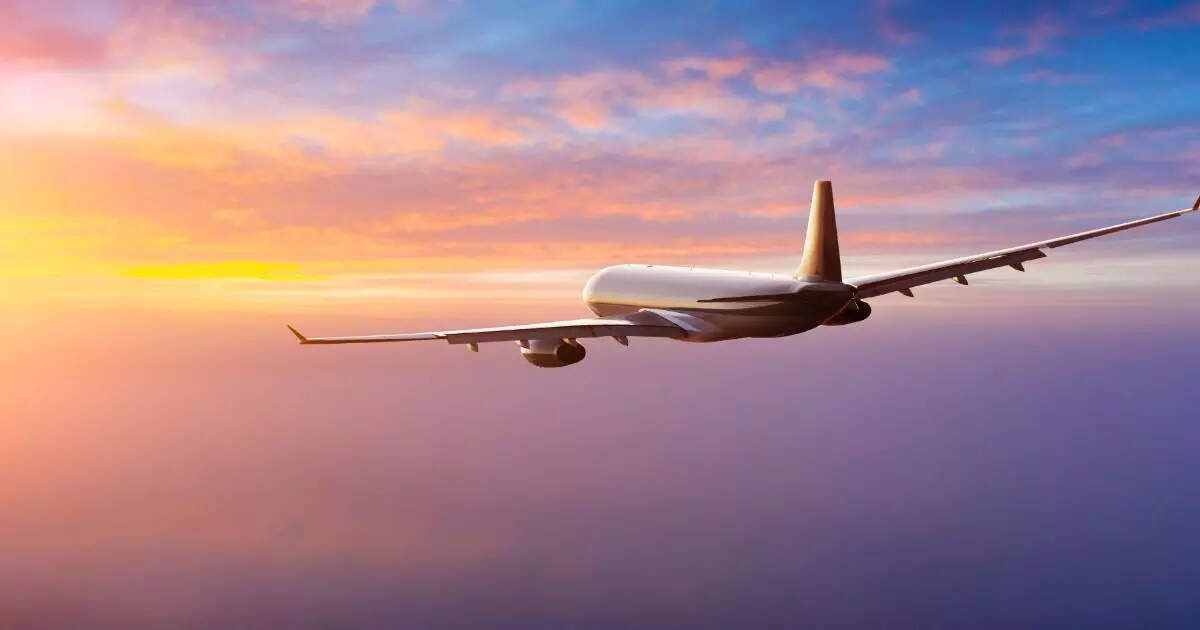
One of the most immediate impacts of airspace disruption is rerouting. Flights that would normally pass through specific corridors may be diverted over alternative regions. This could increase travel time by anywhere between 30 minutes to a few hours, depending on the flight route.
Canva
For example, flights between India and Europe, with a layover in the Gulf, could take longer routes if certain air spaces are restricted. This not only causes longer travel times, but fuel usage could also increase, which is sometimes taken into account while fixing airfares.
Delays and missed connections
For transit travelers, especially those with tight layovers, delays could trigger a domino effect. A delay in the first flight could lead to a missed connection, especially if there is not much time between flights. A delay in the first lag of journey can result in:Missed connecting flightRebooking onto later flightsExtended layovers at transit hubs The airlines generally try to help such passengers by providing alternative flights or accommodations whenever necessary. However, in such cases of large-scale disruptions, such facilities may be limited, resulting in longer waiting times.
Impact on major transit hubs
Canva
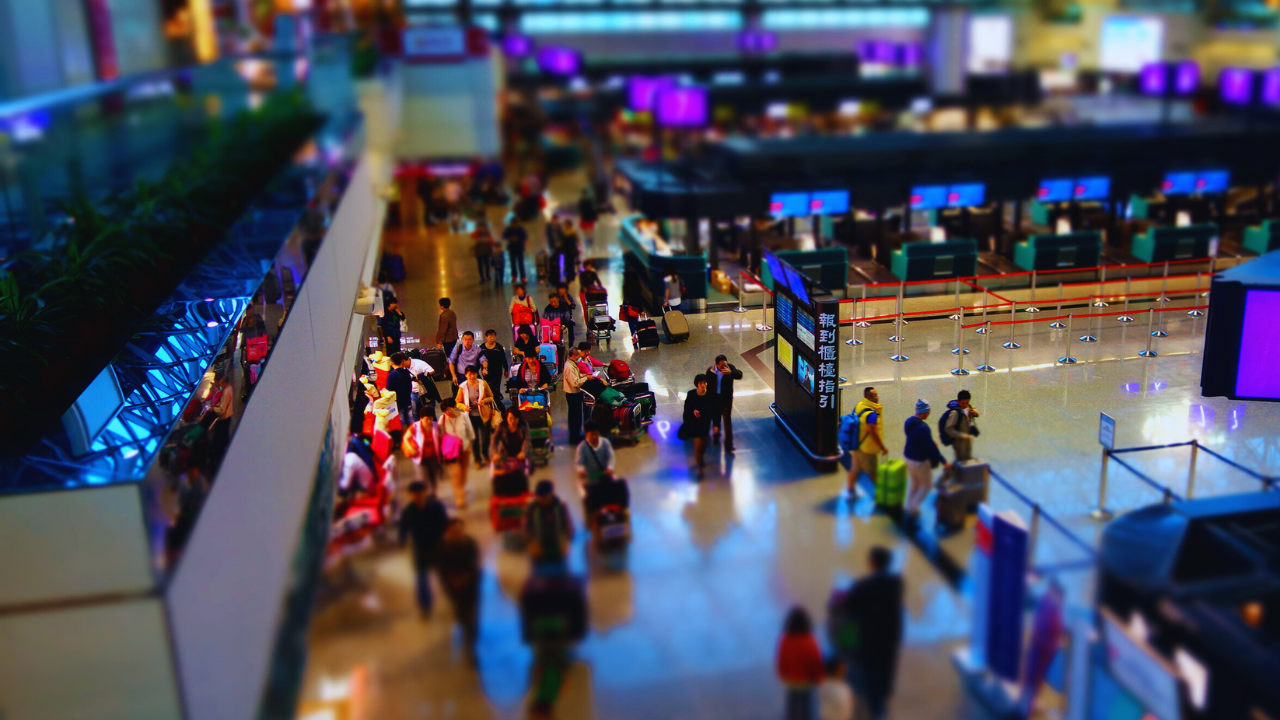
The airports in Dubai, Doha, and Abu Dhabi have large capacities, but any sudden change in the flight schedule may impact the operations, and can result in:Increased congestion at terminalsMore queues at immigration counters and transfer pointsMore congested lounges and waiting areasThese airports are also considered to be among the most efficient in the world, and any problems are resolved by coordination with airlines.
What Indian travellers should watch for
India is well connected with the Middle East, with frequent flights available for destinations like Dubai, Abu Dhabi, Doha, etc., from cities like Delhi, Mumbai, Kochi, Hyderabad, etc. So, the travelers need to be careful about the following notifications: Notifications from the concerned airline in the form of SMS, emails, etc.Flight statusAdvisory notifications from the concerned airline/civil aviation departmentIt is important to note that even though your point of departure is in India, the Middle East issues could still affect your travel plans, as your flight route could be affected.Read more: UAE travel update: Airspace reopens as GCAA lifts precautionary measures; flights resume normal operations
Ticket pricing and availability
The other impact that the disruptions in the Middle East have is in ticket availability and pricing. In some cases: Prices of alternative routes may riseSeats on unaffected flights may become fully bookedLast-minute bookings may become more expensive This is particularly important during peak travel times such as summer holidays.

Canva
Safety measures and airline protocols
It’s important to note that airlines do not operate flights through restricted or unsafe airspace. Aviation authorities continuously monitor the situation and issue guidance to ensure passenger safety. Airlines may: Adjust flight paths preemptivelyCancel or reschedule flights if neededCoordinate closely with global aviation bodies All these steps are part of normal procedures, and this is because the aviation industry is one that prioritizes safety above all else.
Tips for navigating disruptions
Although the causes of disruptions are usually out of the traveler’s hands, the following precautions may help reduce the level of inconvenience:Longer layovers may help avoid missed connectionsBooking flexible tickets may help avoid problemsTravel insurance may cover delays and cancellationsReaching the airport early may help account for possible changes The best way to avoid problems is by being aware. Most airlines offer updates through mobile apps and websites.
The broader impact on global travel
Because the Middle East connects multiple continents, disruptions in the region rarely remain localised. Flights between Asia and Europe, Africa, and North America, as well as intra-Asian flights, can be impacted. This interconnectivity implies that a disruption in one part of the world can have a ripple effect on flight schedules across the globe.
What to expect going forward
It’s important to understand that disruptions in the Middle East are generally temporary in nature, though the frequency may vary. However, the aviation industry has managed to put in place systems that help in adapting quickly, thus ensuring that connectivity is maintained.For travellers, the important thing to remember is the need for preparedness, as understanding the nature of these disruptions can help in managing your travel plans better.