
Markets, he says, are assigning a high probability to some form of ceasefire deal in West Asia, reflected in softer crude prices and calmer market positioning.
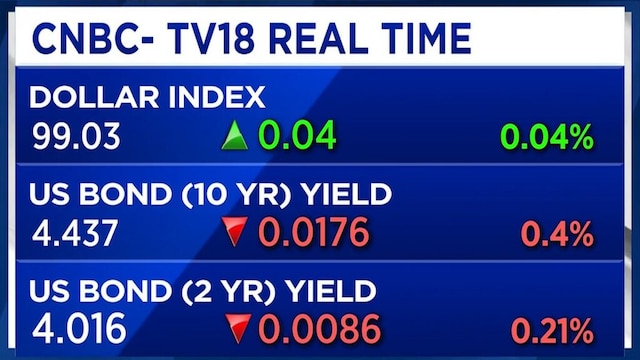
The US dollar has remained surprisingly resilient despite cooling oil prices, as investors focus more on rising US bond yields and strong capital investment linked to artificial intelligence. Robust earnings and productivity gains suggest the current AI investment cycle may be fundamentally supported rather than speculative, even as borrowing demand rises.
This is an edited transcript of the interview.Q: Sharp decline in crude prices. There’s a 60-day ceasefire. Do you think this is going to be the final negotiation? Are we finally going to get a deal based on the news flow we have seen?
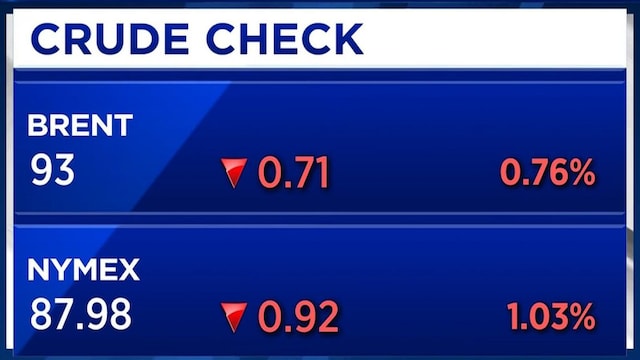
A: We have had many such indications before, and nothing concrete has gone through. What is clear is that the market seems to believe something will happen. We have West Texas crude around $87 per barrel and Brent in the low $90s. That’s a good sign. It doesn’t mean markets are fully convinced a deal will go through, but it suggests they see a high probability of some sort of agreement being achieved.
 Q: How much of that do you think is already priced into the market? In the last two months, the S&P has rallied nearly 20%, the Nasdaq has moved up 30%, and overnight yields also cooled off a bit.
A: The war is not the only game in town. In US markets, it’s probably in third place. Optimism in equities is being driven largely by AI and technology stocks, and I think that is independent of the geopolitical situation.
Also Read | RBI should avoid aggressive rate hikes as high crude threatens growth, says Axis AMC’s Devang Shah
Similarly, the rise in bond yields reflects the resilience of the economy and strong investment trends. Markets are simply not that worried about the war right now. There is significant tail risk if this turns out to be a head fake, but overall, markets have, for now, made peace with the West Asia situation and are focusing on other things.
If you look at Indian markets and where the rupee is trading, it’s still clear there’s room to go.
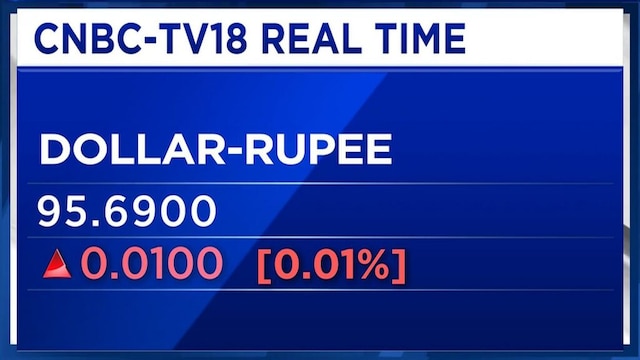
Q: Since you mentioned the rupee, do you think it overshot on the downside around ₹97 to a dollar? Also, what’s your view on the dollar index, which remains well-behaved from an Indian market perspective? A weaker dollar is usually positive for emerging market flows.
A: I will talk about the dollar overall, because that is my area of expertise. What’s interesting is how resilient the dollar has remained despite the moves we have seen in oil prices.
At the beginning of the war, the dollar rose when oil prices rose and fell when oil prices declined. Now, markets are still watching oil, but it’s no longer the primary trading driver. Investors are paying more attention to bond yields and the fact that both real and nominal yield spreads are moving in favour of the dollar.
Normally, strong equities tend to be dollar negative because they signal a stronger risk appetite. But in this case, optimism is heavily concentrated in the US and particularly in the tech sector. That actually makes it more dollar positive than dollar negative because the strength is largely idiosyncratic to the US.
Q: Have you looked at how much of the capex announced by AI companies in the US is being funded internally versus through borrowing in bond markets?
A: A lot of it is being financed through bond markets, but I think that is by choice. Cash flows are large enough for many of these firms to fund a significant part of it internally. It’s essentially a financing decision.
Watch the full conversation here

What is interesting is that profits continue to surprise on the upside. That has been the trend for the last three to four years. Everyone worries this is a bubble that could fall apart, yet productivity growth in the US remains very robust.
Also Watch | AI-driven chip rally lifts Taiwan past India in global rankings as Korea closes the gap
The profit numbers are also coming from completely different sources, which suggests this could actually be real. That means the large capital investments pushing up yields and increasing borrowing demand could well be justified by the returns these firms expect to generate.
Catch all the latest updates from the stock market here