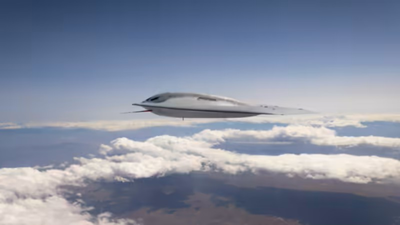
The United States Air Force is set to expand production of its next-generation stealth bomber, the B-21 Raider, after reaching a funding agreement with Northrop Grumman. The move is aimed at accelerating delivery of the aircraft and strengthening the US long-range strike fleet.The Department of the Air Force said it will use $4.5 billion allocated under the fiscal year 2025 reconciliation legislation—commonly called the “One Big Beautiful Bill”—to increase the bomber’s production capacity by about 25%, shortening delivery timelines while maintaining cost and performance targets.The decision comes amid growing geopolitical tensions and concerns about US weapons stockpiles as conflicts intensify in the Middle East. Officials believe ramping up production of advanced platforms such as the B-21 will ensure the US maintains credible deterrence and rapid strike capability.
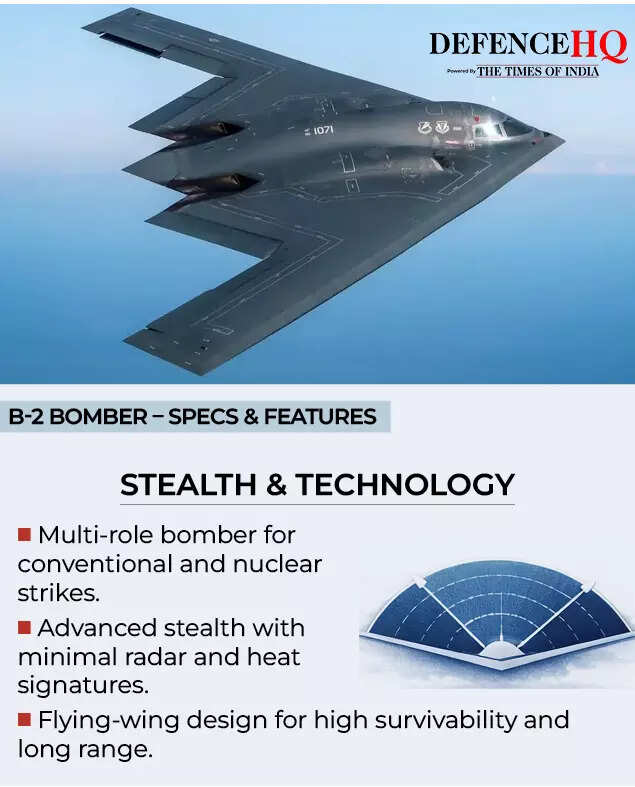
“This is what disciplined acquisition delivers,” said Gen. Dale R. White, director of Critical Major Weapon Systems. “This decision reflects our confidence in the program’s performance and the stability of the industrial base. By increasing production capacity now, we are responsibly accelerating delivery of a critical, combat-effective capability to the warfighter.”The B-21 Raider is currently undergoing flight testing and is designed to operate in highly contested environments. It combines advanced stealth technology, resilient networking and modern command-and-control architecture to strike targets deep inside defended territory. The aircraft is expected to form the backbone of the US Air Force’s future bomber fleet and support both conventional and nuclear missions.Initial operational aircraft are expected to be delivered to Ellsworth Air Force Base in South Dakota in 2027, according to the Air Force.
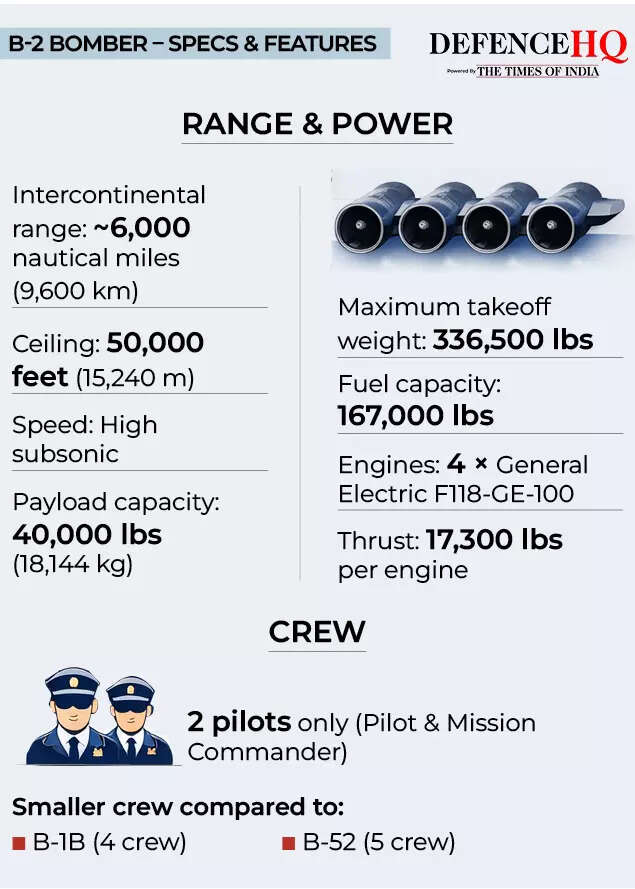
The B-21 Raider is a developmental penetrating strike bomber capable of delivering both conventional and nuclear munitions. With a wingspan projected at about 140 feet, the B-21 is smaller than the B-2’s 172-foot wingspan. The Air Force plans to acquire at least 100 B-21s to replace its 45 B-1s and 20 B-2s over the next decade. The B-21 program aims to enhance mission effectiveness and joint interoperability in advanced threat environments, thereby strengthening US deterrence and strategic advantage.The B-21 Raider has captured public imagination with its otherworldly appearance and capabilities. Images of the bomber in flight have prompted comments such as “aliens have arrived” due to its sleek design and advanced technology. This comparison highlights the bomber’s advanced capabilities and the significant technological strides made by the US Air Force.The production push also follows broader discussions between US President Donald Trump and major defence contractors about boosting weapons manufacturing. Executives from companies including BAE Systems, Boeing, Honeywell Aerospace, L3Harris Technologies, Lockheed Martin, Northrop Grumman and RTX Corporation recently agreed to significantly increase production of advanced weapon systems to replenish US stockpiles and prepare for potential prolonged conflicts.“We just concluded a very good meeting with the largest US Defense Manufacturing Companies where we discussed Production and Production Schedules. They have agreed to quadruple Production of the “Exquisite Class” Weaponry in that we want to reach, as rapidly as possible, the highest levels of quantity. Expansion began three months before the meeting, and Plants and Production of many of these Weapons are already under way,” Trump said.“We have a virtually unlimited supply of Medium and Upper Medium Grade Munitions, which we are using, as an example, in Iran, and recently used in Venezuela. Regardless, however, we have also increased Orders at these levels. The Companies represented were the CEOs of BAE Systems, Boeing, Honeywell Aerospace, L3Harris Missile Solutions, Lockheed Martin, Northrop Grumman, and Raytheon. The meeting concluded with another meeting scheduled in two months. States all over the Country are bidding for these new Plants,” he added.The meeting was attended by chief executives of major defence firms including BAE Systems, Boeing, Honeywell Aerospace, L3Harris Technologies, Lockheed Martin, Northrop Grumman and RTX Corporation.