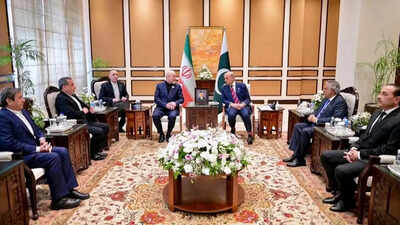
United States and Iran began direct negotiations in Pakistan on Saturday, days after announcing a fragile two-week ceasefire. The talks mark a rare face-to-face engagement between the two sides.The first round of discussions lasted around two hours before dinner, with a second round continuing later. There are also reports that the talks could extend into the following day. According to Al Jazeera, there has been “some headway” in discussions, particularly on developments in Lebanon. According to the report, Israeli operations may now be limited to southern areas, with no further strikes expected in Beirut. However, a confirmation is awaited. The US delegation is being led by vice president JD Vance, along with special envoy Steve Witkoff and Jared Kushner- president Donald Trump’s son-in-law. The Iranian side is led by parliament speaker Mohammad Bagher Qalibaf and Iran’s foreign minister Abbas Araghchi.
What’s on table
Several difficult issues are part of the negotiations. One of the main concerns is Iran’s nuclear programme, especially the status of its enriched uranium after last year’s US and Israeli strikes on nuclear facilities. Tehran has not allowed inspections by the UN nuclear watchdog since then.Before the conflict, Iran’s ballistic missile programme was also a major issue, along with its support for armed groups in the region, including Hezbollah in Lebanon, Houthis in Yemen and Hamas in Gaza.Another key concern now is Iran’s control over the Strait of Hormuz, a critical route for oil and gas supplies from the Middle East.
Iran lists ‘redlines’
According to reports, Iranian negotiators presented their terms during a meeting with Pakistan’s prime minister. Tehran has demanded an end to attacks, compensation for previous strikes and assurances that such attacks will not happen again. It has also called for the withdrawal of US forces from the region and the lifting of long-standing sanctions.Iran has also listed its “redlines”, which include compensation for damage caused by US and Israeli strikes and the release of its frozen assets. It is also seeking a mechanism to reopen the Strait of Hormuz and a tangible and lasting ceasefire in Iran and across regions where its allies are active.Iran also said a ceasefire in Lebanon remained a basic demand. Foreign ministry spokesperson Esmaeil Baghaei said Iran had conveyed its position to Pakistani officials involved in the mediation.
US’s definant note
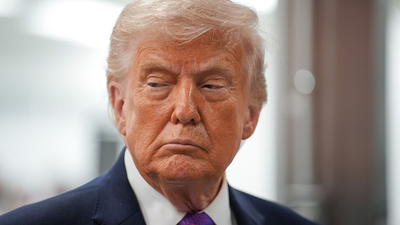
Ahead of the talks, President Donald Trump made a series of social media posts, taking a strong position on the situation. He suggested that the US energy sector could benefit if Iran restricts movement through the Strait of Hormuz.Trump said oil tankers were “heading, right now, to the United States to load up with the best and ‘sweetest’ oil (and gas!) anywhere in the World.”On Saturday, the administration also revoked green cards of several long-term Iranian residents in the US who are related to current or former Iranian officials.
‘State’ of Hormuz
Trump also said the US had begun efforts to open up the Strait of Hormuz. In a social media post, he claimed Iran’s military had been weakened and that the US was “clearing out” the waterway, which handles a significant share of global oil shipments.“We’re now starting the process of clearing out the Strait of Hormuz as a favor to countries all over the world,” Trump said, adding that other countries lacked the courage or will to do it.It was not immediately clear if he was referring to mine clearance or broader operations in the region. Later, US Central Command confirmed that mine-clearing operations had begun as talks moved further.