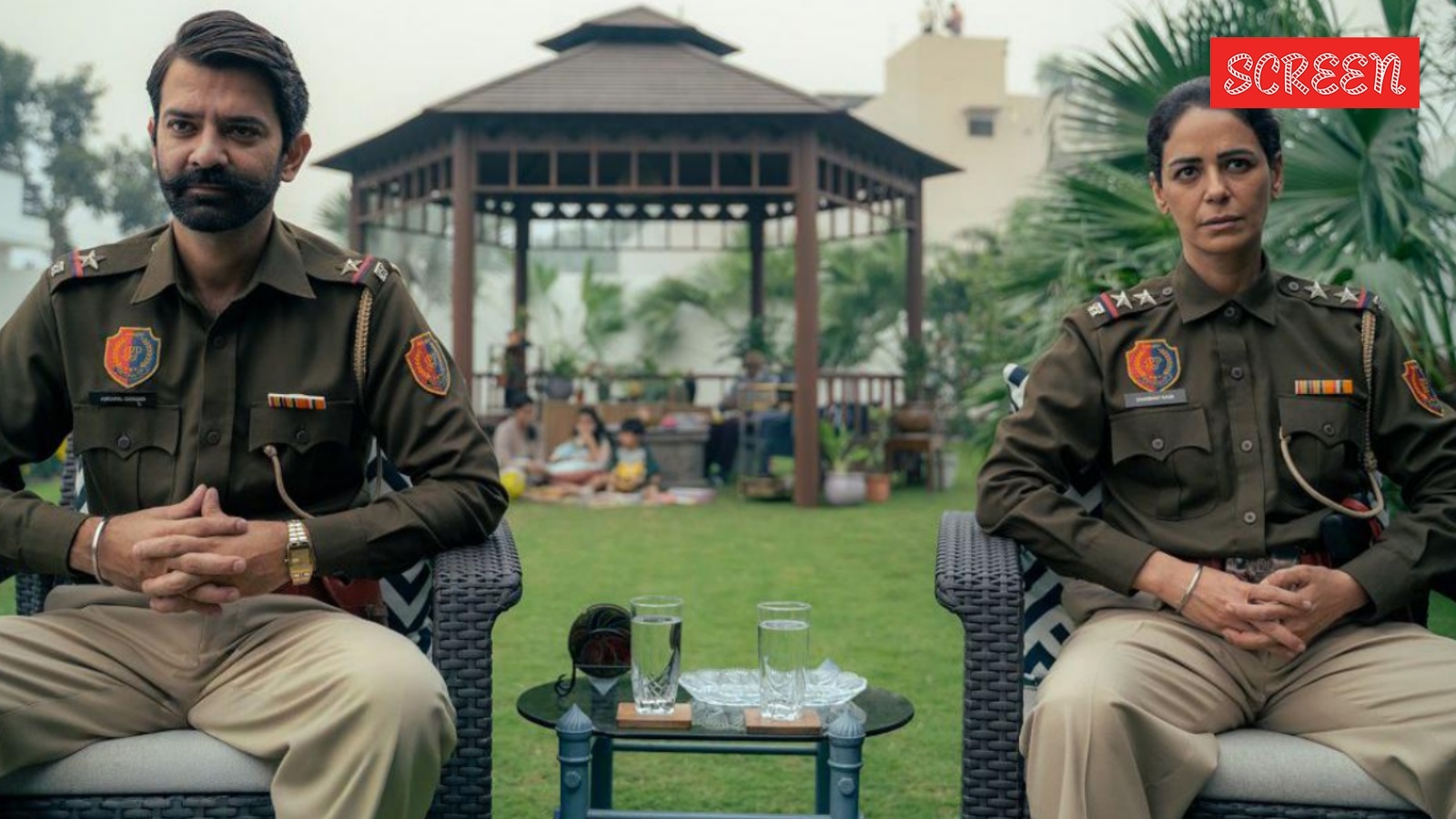
As I watched Kohrra Season 2, I couldn’t help but be reminded of Talaash. A police officer haunted by the loss of a child, men trying to escape the consequences of a crime they committed, an angry spirit seeking justice and a mystery that only seems to deepen before the truth finally emerges. Though it is presented as a police procedural where Dhanwant Kaur (Mona Singh) and Amarpal Garundi (Barun Sobti) try to solve the murder of a young woman, Preet Bajwa (Pooja Bhamrah), Kohrra Season 2 is a horror story where characters are haunted by guilt, indiscretions, grief, loss and the political history of Punjab. Ghosts of the past and memories that linger like spirits with unfinished business shape decisions in the present or take human form to exorcise a society of the evil it has tried to bury.
Quite like its predecessor, Kohrra Season 2 is set in a small town in Punjab, only this time it’s a young woman who is found dead under mysterious circumstances. Dhanwant and Garundi begin their investigation by digging into Preet’s life to find out who might have wanted to kill her, but what they unearth in the process are a family’s dark secrets and how systemic injustice exists in plain sight. As they work long hours and track down suspects within the state and outside of it, the two battle demons of their own. Work often feels like an escape from the difficulties at home, and their uniforms conceal emotional scars that are seeking healing or redemption.
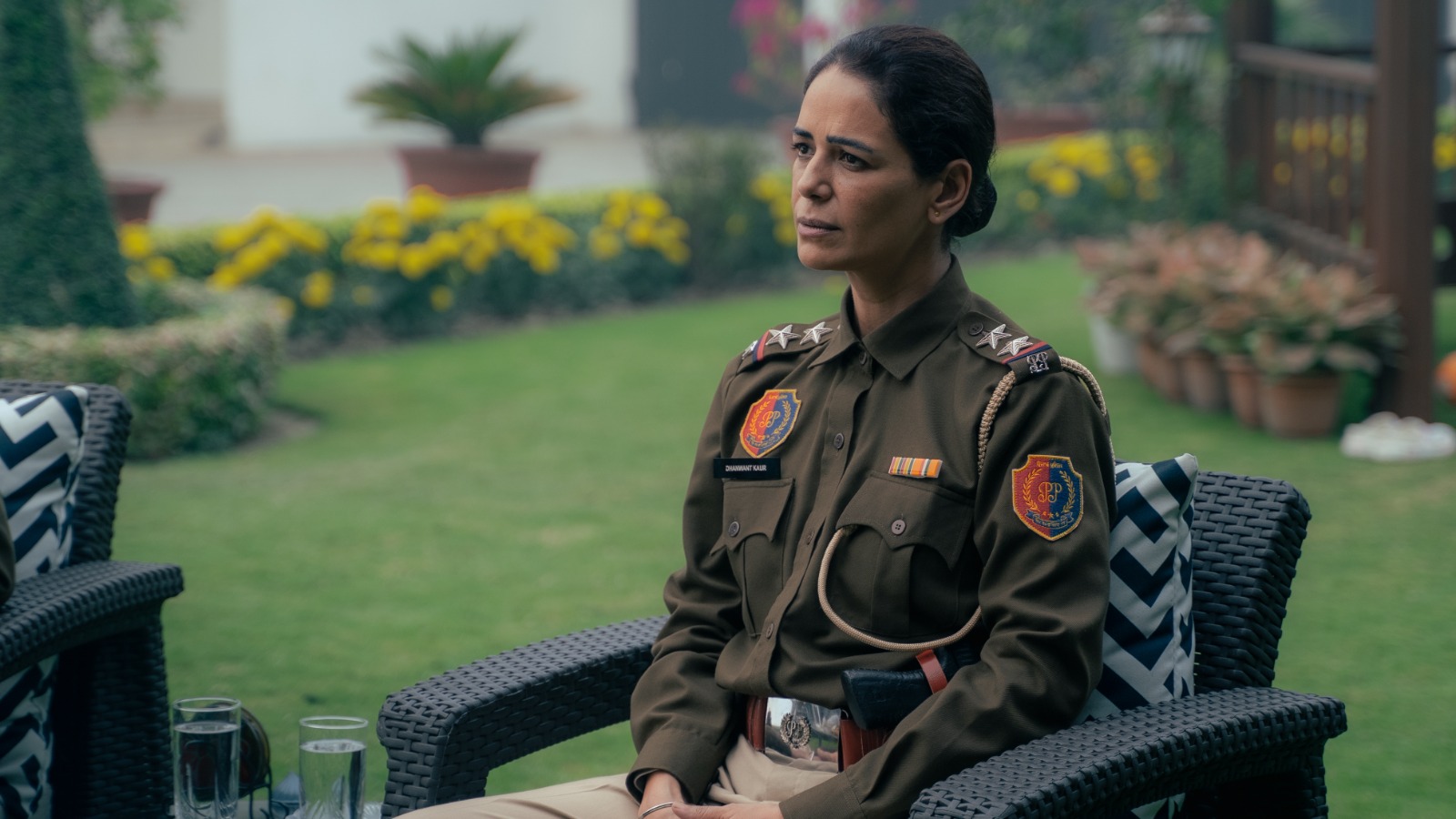
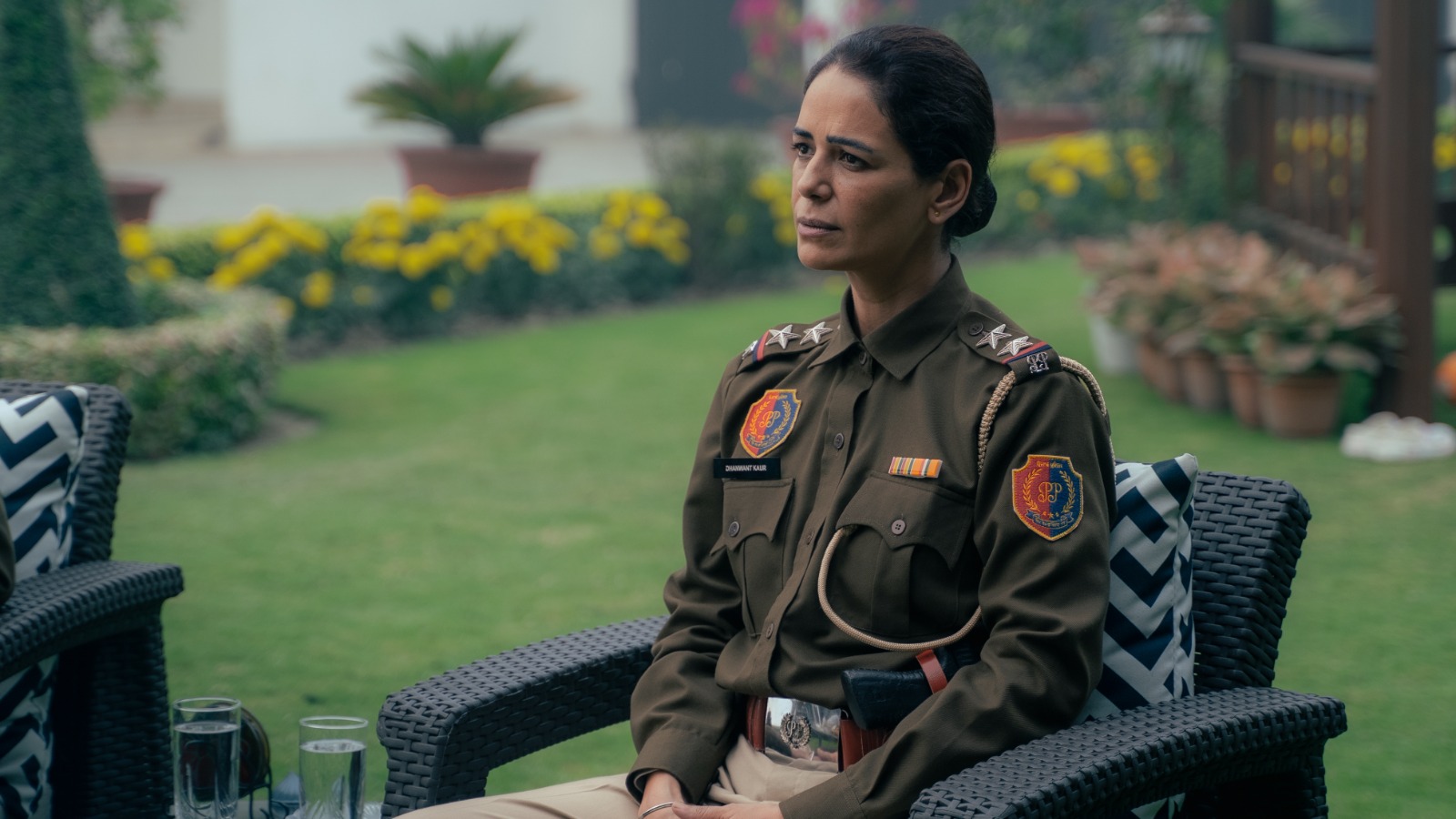 Mona Singh in Kohrra Season 2.
Dhanwant is mourning the loss of her young son Nihal (Kabir Nanda), who, like Preet, died young and unexpectedly. In his absence, Nihal is omnipresent, haunting his parents night and day, driving his father to alcoholism and his mother to stare at kids getting into a school bus. Their home looks like the rundown buildings in horror stories where grief, guilt and grievances hang thick in the air, creating a suffocating atmosphere. Dhanwant never enters her son’s room, quite like how people avoid ‘haunted’ spaces. Dhanwant and her husband are ghosts of their former selves, breathing because they have no other option. Like restless spirits, the two wander around the streets at night: he to get drunk and drown his guilt, and she to find her husband because the thought of losing him is too hard to bear. In a telling scene, Dhanwant uses a chain to lock Nihal’s bike so no one can take it away, but it’s his memories she cannot let go of. A few episodes later, when she begins to make peace with her loss, she removes the chain and lets the bike go, almost as if she has finally released Nihal’s spirit and allowed it to move into the afterlife.
While Dhanwant is possessed by grief and helplessness, Garundi is trying to escape the shame he feels about his past, which includes an affair with his sister-in-law. At one point in the show, his wife, Silky (Muskan Arora), asks him if there is anything he wants to forget, and he says he wants to forget his village. When Silky brings his pregnant sister-in-law, Rajji (Ekta Sodhi), to live with them, Garundi’s home is suddenly haunted by the life he has tried to leave behind. Rajji is a living reminder of his indiscretion, and he tries his best to avoid her and stay away from home, immersing himself in work. In a superbly written and executed scene, Silky walks in on Garundi holding Rajji and helping her. He freezes for a few seconds, his guilt convincing him that his secret is out. All three characters pause for one extra beat that instantly adds tension before Silky comes forward to help Rajji, and Garundi realises that he has nothing to worry about. Garundi’s brother, Jung (Pardeep Singh Cheema), is also tormented by guilt over the fact that he turned a blind eye to what was happening in his home to protect the family land. He abandons his pregnant wife and travels to pilgrimage sites seeking peace, but his mind remains torn and turbulent. After he reveals a shocking truth in front of Silky, Garundi berates him and says that he can keep visiting places of worship, but his deeds will never let him live in peace.
 Anuraag Arora in Kohrra Season 2.
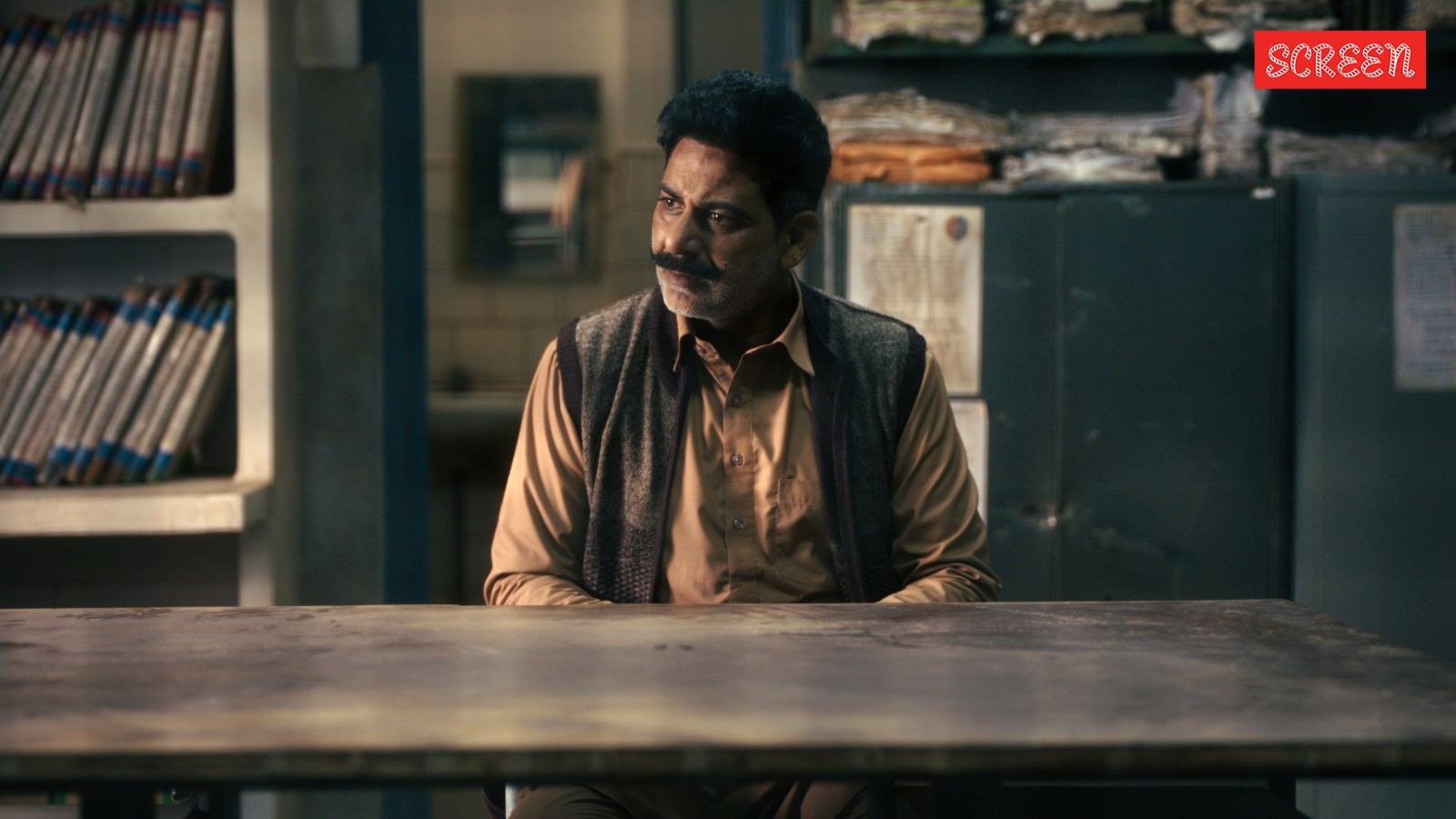
A popular feature of horror stories is suffering caused by an age-old curse or angry/vengeful spirits who torment the living. In the show, instead of angry spirits, we have people who have been forced to live like ghosts, their very humanity stolen from them by those with power and privilege. Preet’s brother, Baljinder (Anuraag Arora), has inherited bonded labour along with land from his father, who ‘purchased’ men from other states to work on their farms. Unlike Dhanwant, who locks her son’s bike with a chain because she can’t let go of her grief, the labourers are literally chained like animals because Baljinder won’t let them go, or let go of cruel traditions which have no place in a civil society. The injustice and suffering he and his family have caused manifests like a curse on his family, killing his sister, ruining his business and destroying his own marriage.
There is a parallel story of a young man, Arun (Prayrak Mehta), who is looking for his father, Rakesh Kumar (Satyakam Anand). Rakesh left home when Arun was an infant and never returned, and his mother died soon after. All he has is an old photograph taken at his parents’ wedding, and for the longest time, it feels like he is chasing a ghost. His father has seemingly vanished from the surface of the earth, but Arun is determined to find answers. It’s almost as if Rakesh’s soul calls out to his son, or his suffering forces the universe to take pity on him, resurrecting him from a lifetime of invisibility.
Also Read – In Sudip Sharma’s superb Kohrra 2, the inheritance of mist shadows over tomorrow
Story continues below this ad
Kohrra, which was released almost three years ago, focused on how love, whether romantic or between parent and child, can drive us act out of anger and desperation. Season 2 shifts its focus to family and society, telling us a story that begins with a murder but eventually spreads like the fog it refers to, enveloping us in the horror of existing in a country where injustice and inequality are as pervasive as the air around us. The show seamlessly blends setting and characterisation, showing us that the world around us can profoundly impact the world within us. Only when we take accountability for the dense fog of grief, ignorance, cruelty, anger, entitlement or regret within us and around us, will we be set free from the spirits of our actions that follow us wherever we go.