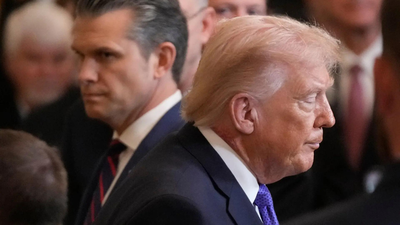
Global oil prices moved higher on Tuesday, recovering from a sharp drop in the previous session, as concerns over an escalation in the Middle East conflict and uncertainty around US-Iran diplomacy keeps the markets volatile.Brent crude climbed toward $104 a barrel, while US benchmark West Texas Intermediate rose nearly 4%, reversing part of Monday’s steep decline triggered by US president Donald Trump delaying potential strikes on Iran’s energy infrastructure, according to Bloomberg. Market sentiment remains driven by mixed messaging from Washington and Tehran. Trump had said there were “productive” talks with Iran and suggested oil prices could “fall like a rock” if a deal is reached. However, Iran has denied any negotiations.Adding to uncertainty, Iranian deputy parliament speaker Ali Nikzad ruled out talks with the US and indicated the Strait of Hormuz would not return to normal operations, according to Fars news agency.
Strait of Hormuz disruptions tighten supply outlook
The Strait of Hormuz continues to be the focal point for global energy markets. The key oil transit route has seen severely reduced traffic, forcing Gulf producers to cut millions of barrels of daily output.Although a limited number of vessels have exited the Persian Gulf in recent days, most shipping remains stalled, keeping supply tight and supporting prices.Crude has surged over 40% this month amid fears of prolonged disruption, with refined products like diesel and jet fuel rising even faster, adding pressure on consumers and governments.Concerns have also grown over potential escalation, with a Wall Street Journal report indicating that US allies in the Gulf, including Saudi Arabia, may be moving closer to joining the conflict.At the same time, Israel has continued strikes, while reports of damage to gas facilities in Iran’s Isfahan region have added to supply worries.Analysts say markets are likely to remain sensitive to both geopolitical developments and actual supply flows.“It is unclear how far back-channel talks have progressed or if the IRGC is in any mood to settle at this stage when they remain in firm control of the Strait of Hormuz,” RBC Capital Markets analysts said, adding, “Ships, not soundbites, will likely be what ultimately matters for physical markets.”Goldman Sachs’ Daan Struyven told Bloomberg TV, “If this shock lasts longer, this extreme tightness that’s now concentrated in Middle East and Asia would spread,” warning that demand destruction may eventually be needed to rebalance supply.Oil markets have seen sharp swings in recent sessions, with prices still up over 30% this month despite Monday’s decline. Analysts note that repeated shifts in US messaging and uncertainty around diplomacy have left investors cautious.With negotiations unclear and supply disruptions ongoing, traders are closely tracking developments around the Strait of Hormuz, which remains central to global oil flows.(With inputs from agencies)