The proposal comes at a time when markets are grappling with volatility and shifting global cues. Against this backdrop, the return of open market buybacks is being seen as a timely intervention. Shah described it as “a very positive move… the timing of this is also immaculate… given the volatility in the market right now.”
Beyond sentiment, the mechanism is expected to improve market functioning. Pranav Sayta, Partner and National Leader, International Tax and Transaction Services at EY India, noted that it “enhances liquidity” and allows companies to “absorb the selling pressure, which might unreasonably come through at certain points in time.” This makes buybacks not just a capital allocation tool, but also a stabilising force during stress periods.
Watch the full conversation here
From a corporate perspective, the benefits are equally compelling. Shah highlighted that companies can use surplus cash to “efficiently buy shares… at a good price,” which in turn drives “an increase in the EPS and the long-term value creation.”
Also Read | Major step by SEBI: plans to revive open market share buybacks after tax reforms
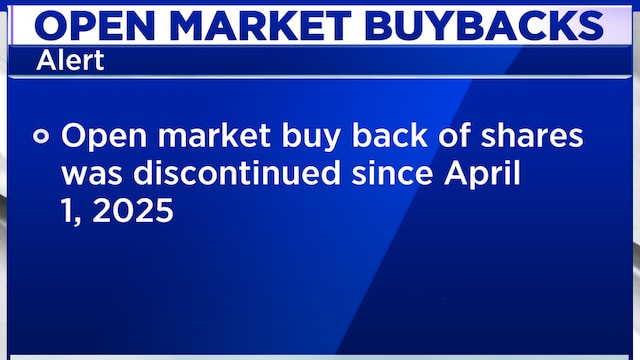
The revival has also been enabled by changes in the tax regime. Earlier, disparities in how shareholders were taxed led to the discontinuation of open market buybacks. As Sayta explained, the previous framework resulted in “some form of inequity” between different categories of shareholders. The shift to a more uniform capital gains regime has now removed that hurdle.
Importantly, SEBI is expected to introduce multiple safeguards to ensure fairness and prevent misuse. These could include restrictions on timing, pricing, and volumes, ensuring companies remain price takers rather than price setters. Shah emphasised that regulators want the framework to be “completely equitable… completely fair… without impacting prices in the market.”
In terms of adoption, cash-rich sectors are likely to lead. Shah indicated that companies in IT, pharma, FMCG, and consumer segments—where balance sheets are strong, and shares are liquid—are best placed to take advantage of the mechanism.
Crucially, the impact of buybacks goes beyond execution. Even announcements can influence sentiment. Shah recalled that in earlier cycles, “just the signalling… really helped the stock prices.”
Catch all the latest updates from the stock market here