Plush toys travelling into space may sound unusual, yet they have quietly remained part of human spaceflight for decades. Missions conducted by organisations like NASA and companies such as SpaceX often include small soft mascots inside spacecraft cabins. These objects are known as zero gravity indicators. They begin to float once a spacecraft leaves Earth’s gravitational pull and enters microgravity. That simple movement offers astronauts an immediate visual cue about the change in environment.The tradition dates back to early space missions, including Vostok 1. Over time, it has continued through lunar programmes like Artemis II and modern commercial flights. What began as a practical idea has gradually become a familiar and consistent element across generations of space exploration.
Plush mascots used in space missions
Rise: Artemis II Mascot
PC: ColombiaOne
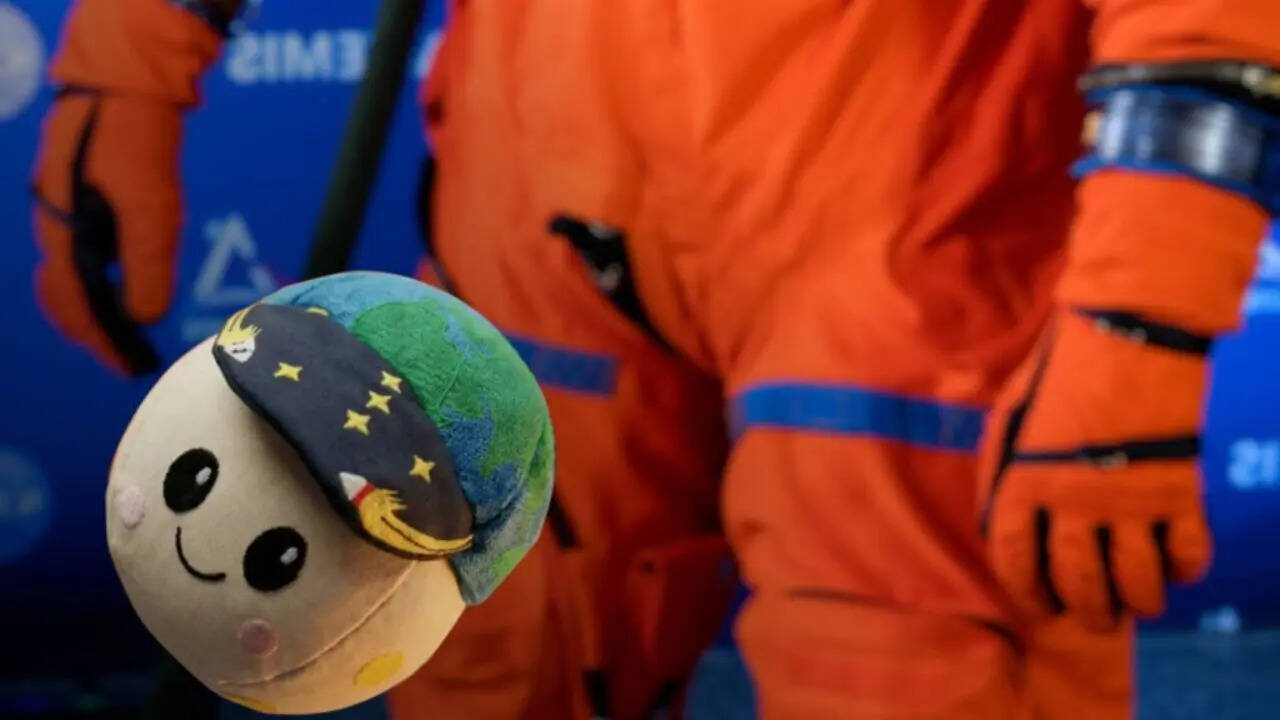
Rise (plush toy) is a white plush mascot selected for the Artemis II mission. It was designed by a young creator and features a hat decorated with Earth, galaxies, and rocket-themed details. The mascot is placed inside the spacecraft cabin alongside the crew.It serves a functional role during flight. When the spacecraft exits Earth’s gravitational influence, Rise begins to float freely inside the cabin. This movement provides astronauts with a clear and immediate visual confirmation of microgravity conditions. The object is lightweight and easy to observe, which makes it suitable for this purpose. The use of Rise continues the long-standing practice of including a visible indicator to mark transitions in spaceflight environments, maintaining consistency with earlier missions.
Baby Yoda: Commercial Crew Flight

PC: Space
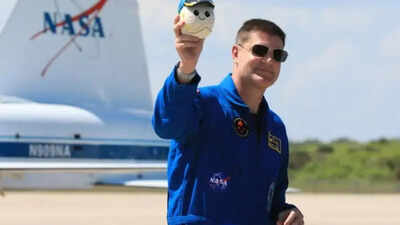
According to Space.com, Baby Yoda was on board a space mission sent out by SpaceX to the ISS. This plush toy became popular due to its widespread recognition and unique image. It was placed in the cabin before lift-off. During the trip, Baby Yoda was used as an indicator for microgravity conditions. As soon as the spacecraft entered the state of microgravity, the toy started floating, notifying the crew about that. This indicated that the spacecraft entered orbit successfully.Such a choice for a mascot is quite practical because the toy is easily recognizable, and at the same time, it is suitable in accordance with the informal practice of bringing some soft toys to demonstrate gravity transitions.
Snoopy: Longstanding NASA Symbol
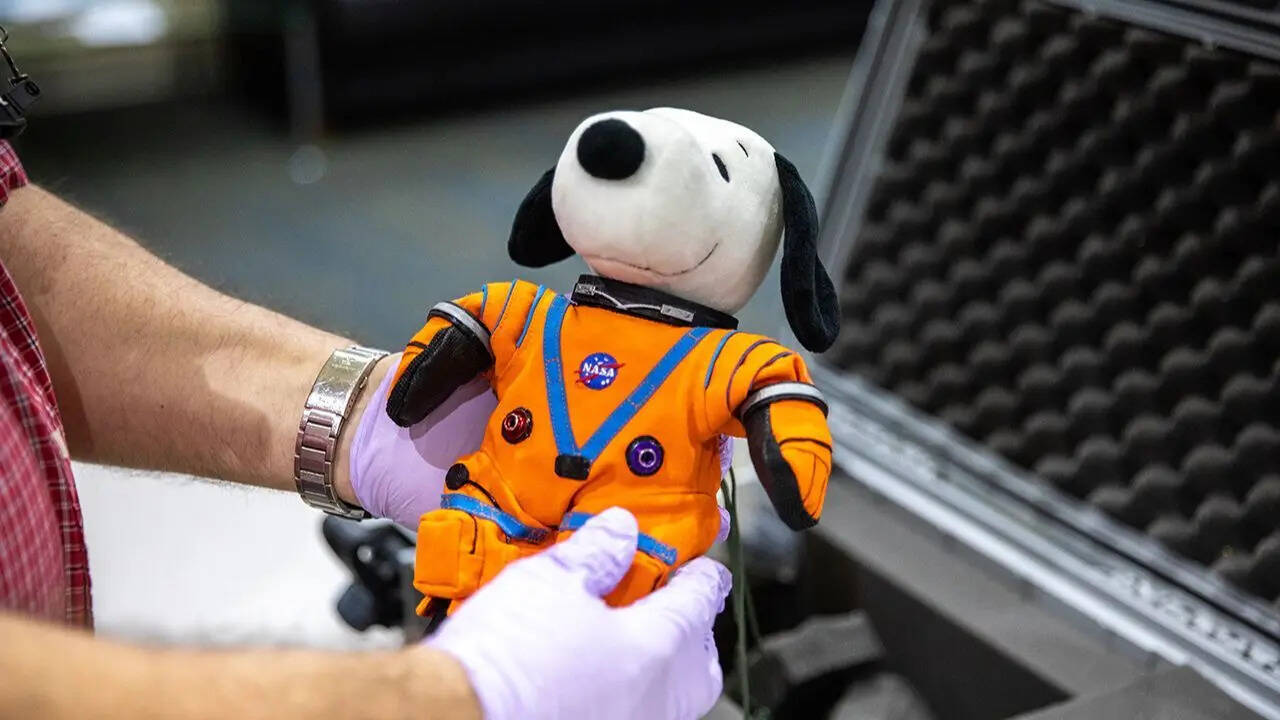
Snoopy has been linked to NASA since the late 1960s onward. Snoopy was involved in flights related to the mission of lunar exploration, such as Apollo 10. Eventually, Snoopy has evolved into being part of the bigger picture when it comes to NASA’s spaceflight awareness campaigns. Snoopy, in its plush form, has served in many missions as a zero gravity indicator. As soon as the spacecraft entered microgravity, the mascot would float around in the cabin. The continuous presence of Snoopy in various programs shows that it has remained consistent throughout all this time.
Shaun the Sheep: Artemis I Mission
PC: Space
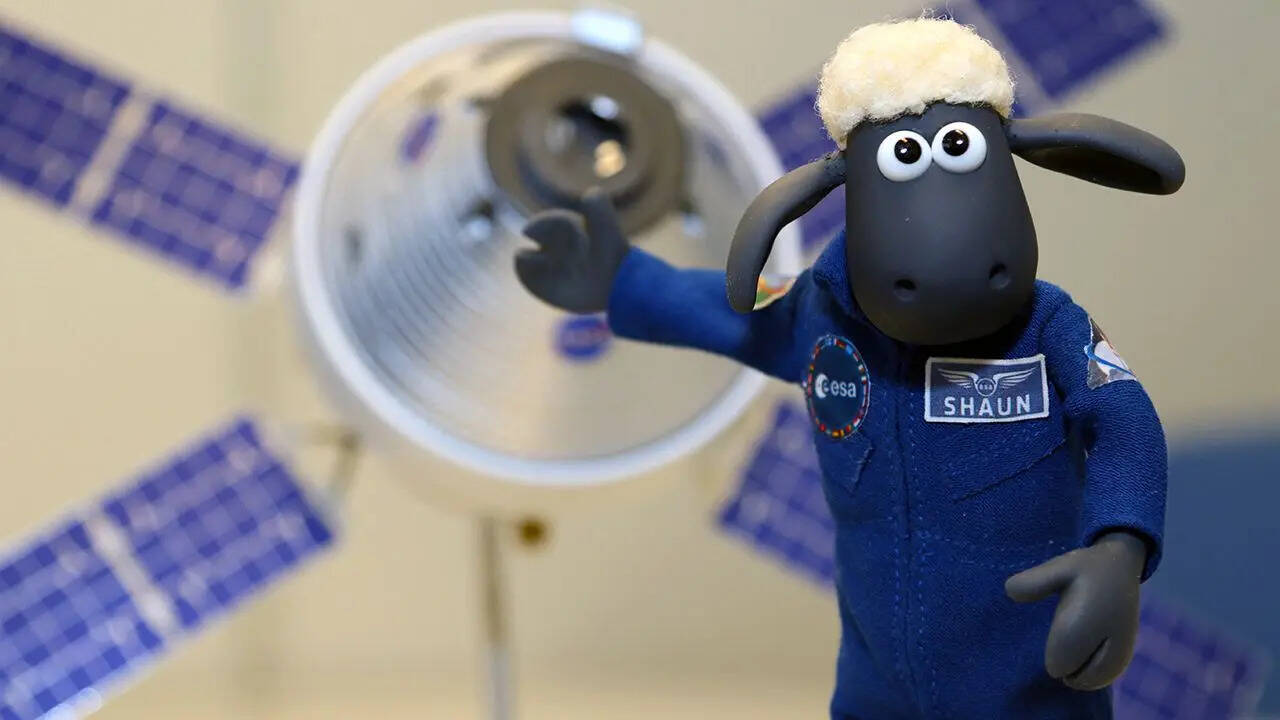
As reported by BBC, Shaun the Sheep was included in the uncrewed Artemis I mission aboard the Orion spacecraft. The mascot was placed inside the capsule before launch and remained onboard throughout the mission’s journey around the Moon and back.Before the mission, the plush character was taken through various training and familiarisation activities across Europe and the United States. These steps were part of mission preparation and public engagement efforts. Once the spacecraft reached space, Shaun floated inside the cabin, acting as a zero gravity indicator. Its movement provided a simple visual reference for the spacecraft’s transition into microgravity.
Tremor the Dinosaur: SpaceX Demo Mission
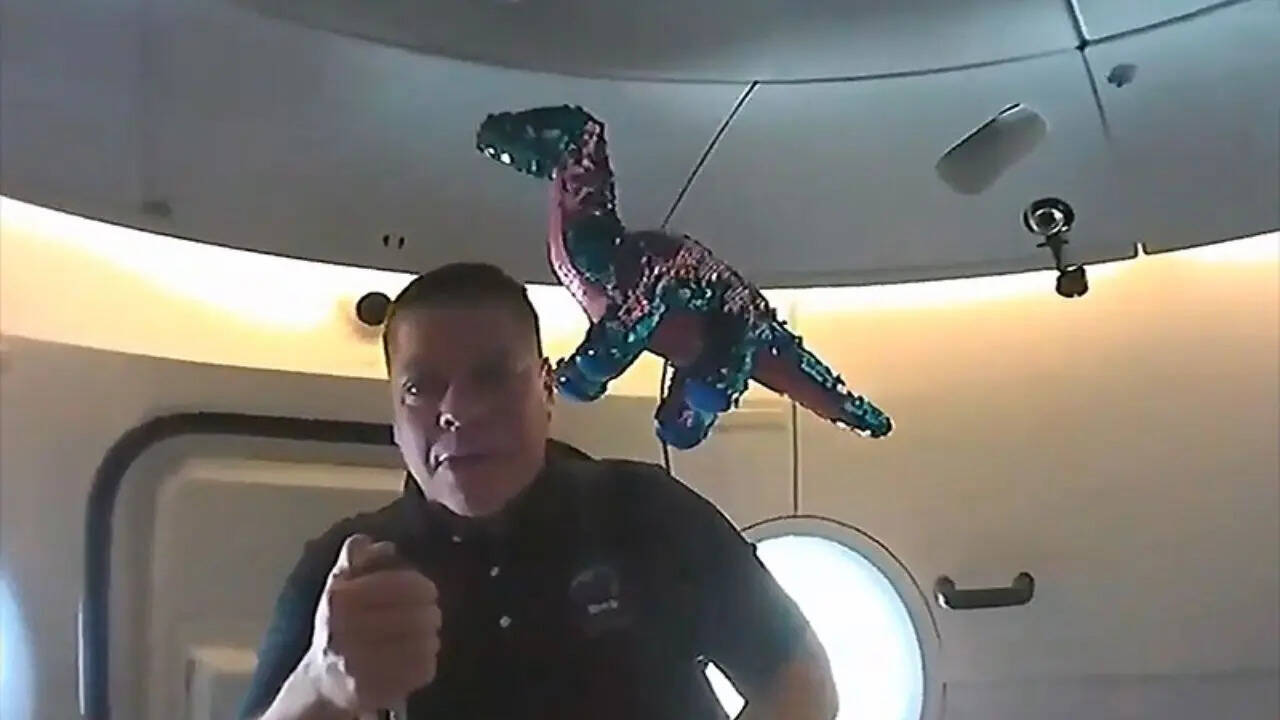
As reported by Space.com, Tremor the Dinosaur was carried aboard a SpaceX Crew Dragon demonstration mission. The plush dinosaur features a sequined design, making it visually distinct inside the spacecraft cabin. During the mission, Tremor served as a zero gravity indicator. As the spacecraft reached microgravity, the toy began to float freely, confirming the change in gravitational conditions to the crew. Its movement was easy to observe due to its reflective surface and bright appearance.The use of Tremor follows the same pattern seen in other missions involving plush indicators. A small, lightweight object is selected, placed inside the cabin, and allowed to float once in space.
What is the significance of carrying plush toys to space
Plush animals might be considered fun objects, but their presence aboard spacecraft is not accidental. Such objects, as used by the likes of NASA and SpaceX, among others, act as zero-gravity detectors. When a spacecraft detaches itself from Earth’s gravitational field, the toy will start to float, thereby acting as a visual indicator that zero gravity has been reached.The movement of such toys serves to help astronauts make the confirmation that zero gravity has occurred without depending too much on technological means. In fact, the toys are commonly used since they can communicate very clearly what they are intended to communicate.