
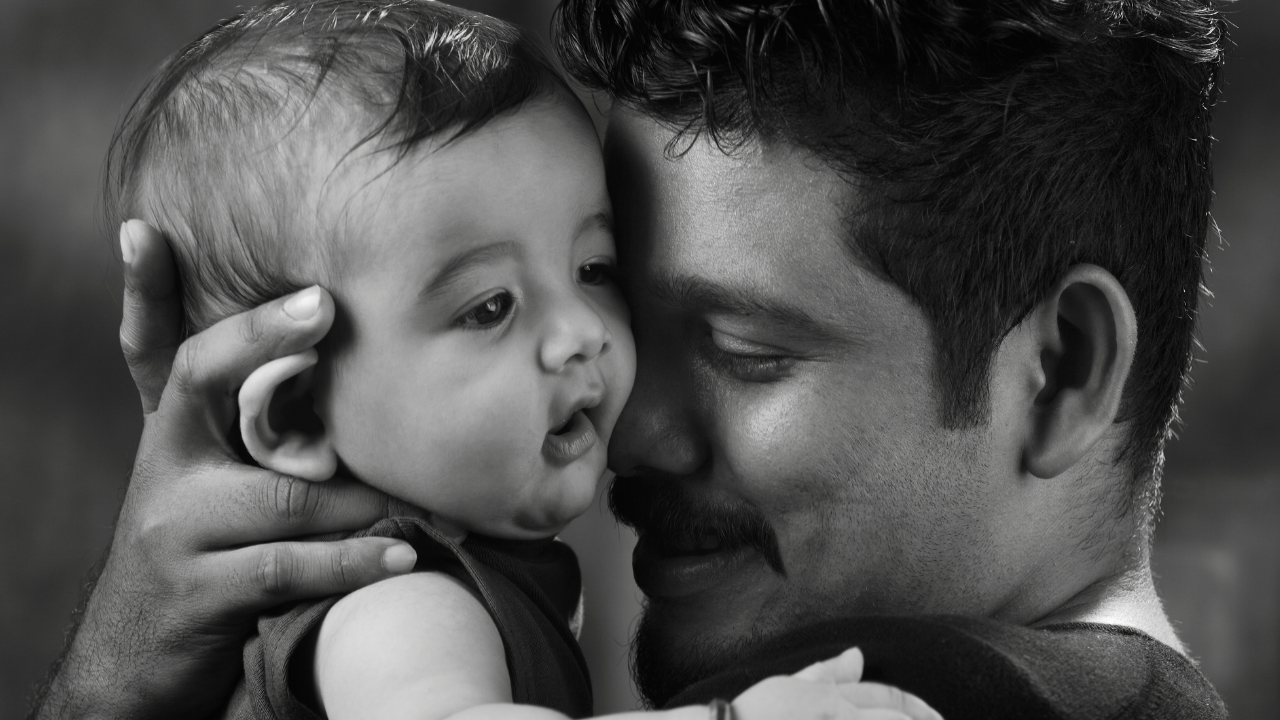
In many East Asian cultures, fatherhood has traditionally been tied to discipline, structure, and responsibility. A father may be less verbally affectionate than some modern parenting ideals suggest, but he is often expected to model self-control, duty, and perseverance. In such homes, love may be expressed through insistence: study harder, behave well, respect elders, stay grounded.
This style can be misunderstood by outsiders as emotionally distant, yet it often carries its own logic. The father is seen as someone who prepares a child for the pressures of the world, not someone who shields them from every discomfort. The deeper lesson is that parenting does not always have to sound tender to be loving. For many children, a steady moral compass is a form of devotion. Structure, when delivered with fairness, can become one of the most protective gifts a father gives.