When the power goes out, the inverter quickly becomes one of the most useful things in a home. But the same device that keeps lights and appliances running can become a safety concern if the space around it is poorly managed. Items that seem harmless, such as cardboard boxes, clothes, or cleaning products, can add to the fire risk when kept too close to electrical equipment. Poor ventilation can create another problem by allowing heat to build up around the inverter and battery. Moisture, flammable liquids, and damaged wiring can make the situation even more dangerous. Keeping a few common household items away from the inverter can reduce risks and help the equipment operate safely. Here are a few things you should never place near an inverter.
Things you should never keep near an inverter
Paper, cardboard and newspapers
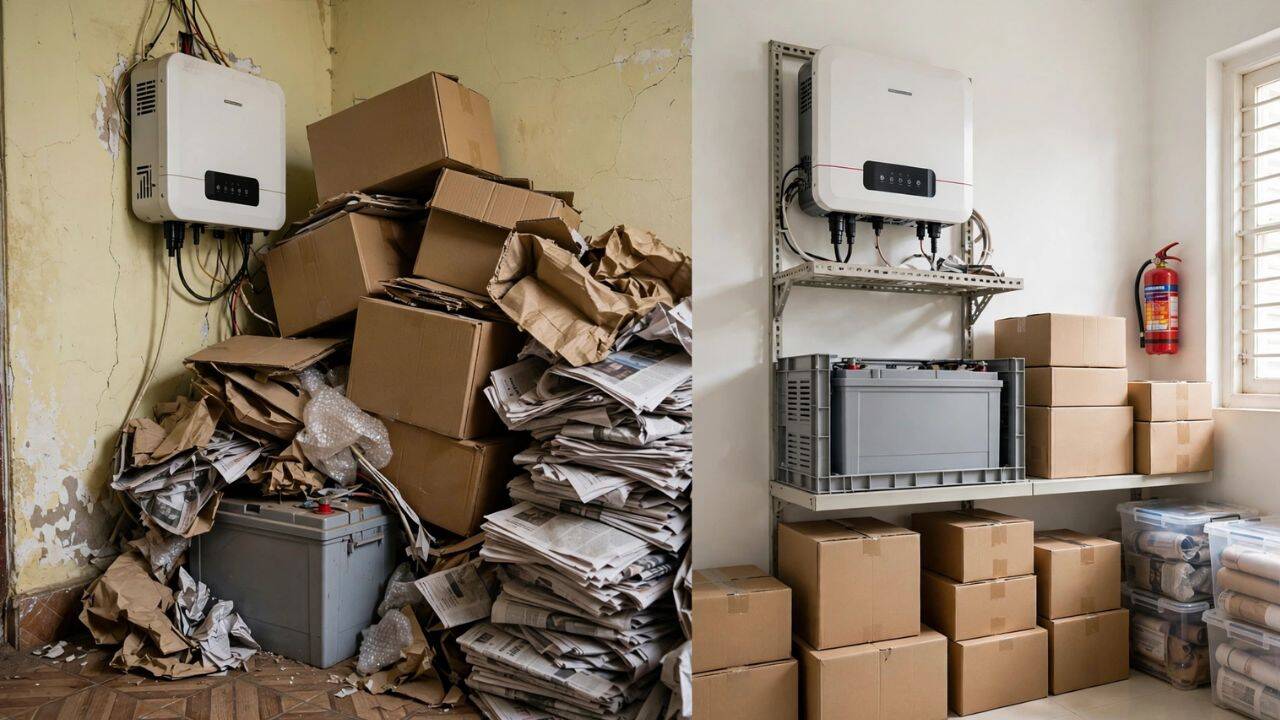
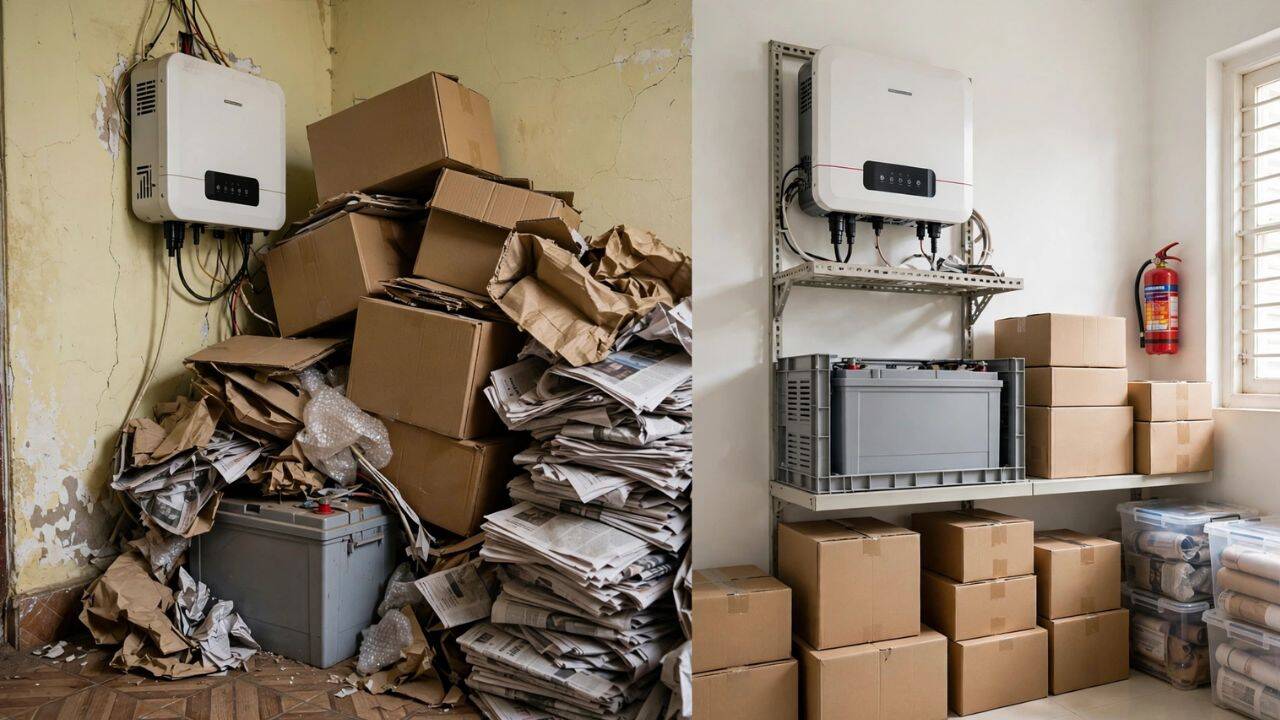
Paper products can catch fire quickly if exposed to heat or an electrical spark. Avoid stacking newspapers, cardboard boxes, documents or packaging beside the inverter or battery. Keep such materials in a separate storage area away from electrical equipment.
PC: AI Generated
Clothes and other fabrics
Clothes, towels, curtains and other fabrics should not be left around an inverter. They can restrict airflow and may become a fire hazard if they come into contact with an overheated component. Loose fabric can also gather dust around vents. Keep the inverter area open so heat can escape freely.
Petrol, kerosene and other flammable liquids
Never store petrol, kerosene, paint thinner or similar flammable liquids near an inverter. Vapours from these substances can ignite if they encounter a spark or another ignition source. Household cleaning chemicals and solvents should also be kept in a different area. The inverter should have a clear space around it with no combustible liquids.
LPG cylinders and cooking fuels
An inverter should not be installed or stored close to an LPG cylinder, stove or other source of combustible gas. Keep the electrical system away from cooking areas where possible. This reduces the chance of an electrical fault becoming an ignition source near flammable gas.
Aerosol cans and spray products
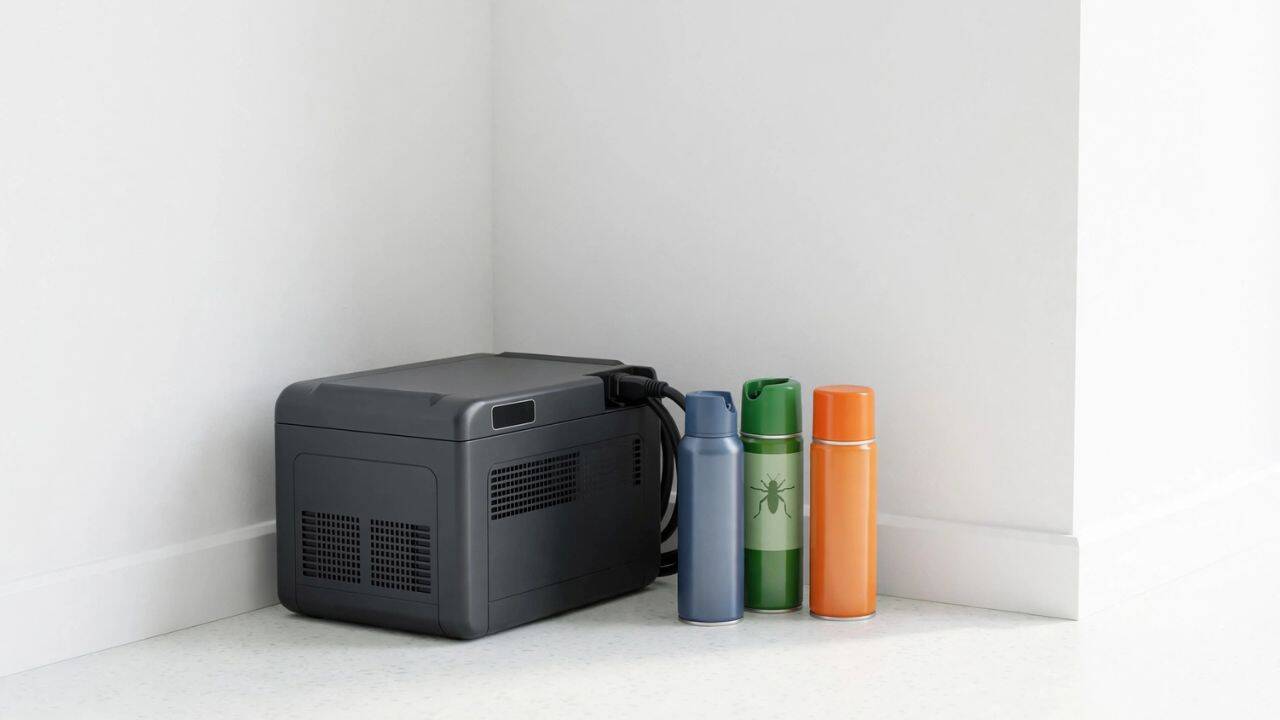
Deodorants, insect sprays, paint sprays and other aerosol cans should not be kept beside an inverter. Many aerosol products contain flammable fuel. Store these products in a cool, suitable location away from electrical equipment.
PC: AI Generated
Wooden boxes and other clutter
Wooden crates, storage boxes, and piles of household items should not surround the inverter. Besides adding combustible material, they can block ventilation. A cramped space may cause heat to build up and make maintenance more difficult.
Water and other wet materials
Keep buckets, wet clothes, mops and other sources of moisture away from the inverter. Moisture can damage electrical components and increase the risk of short circuits or electric shock. The inverter and its surrounding area should remain dry.
How to reduce fire risks around your home inverter
Do not block the ventilation
Never cover the inverter’s vents or place objects directly against them. Proper airflow helps prevent excessive heat from building up. Follow the manufacturer’s recommended clearance rather than treating the space around the inverter as storage.
Do not overload nearby sockets
Avoid plugging too many appliances into a single socket or extension board connected to the inverter. Overloaded electrical connections can heat up and may become a fire hazard. Use the system within its rated capacity.
Do not ignore damaged wires
Loose connections, melted insulation, unusual smells or excessive heating should not be ignored. Switch off the system safely if necessary and contact a qualified technician for inspection.
Do not place the inverter in a closed cupboard
An enclosed cupboard can trap heat and restrict ventilation. Unless the manufacturer specifically permits such an installation, keep the inverter in a suitable open and ventilated location. The installation should also protect the equipment from moisture and accidental contact.
Do not treat the inverter area as storage space
The simplest rule is to keep the area around the inverter clear. Do not use it as a convenient place for boxes, cleaning supplies, clothes, or household clutter. A clean and ventilated space makes it easier for the system to operate safely and allows problems to be spotted early.