
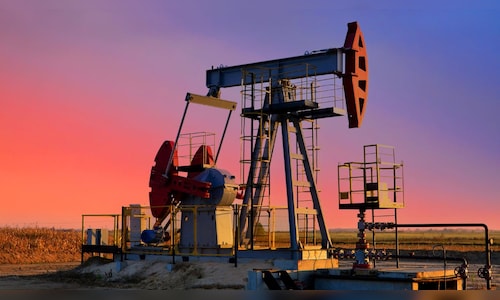
Brent crude futures rose 2.5% to $95.40 a barrel, while US West Texas Intermediate (WTI) crude gained 2.9% to $92.63 a barrel. WTI had climbed more than $3 earlier in the session.
The move came after Iran’s top joint military command announced the closure of the Strait of Hormuz to oil tankers and commercial vessels, warning that ships attempting to transit the waterway would face military action.
Also read: What’s likely to move markets on June 11?
Despite Iran’s announcement, the US military in a post on X said commercial vessels continue to move through the strait. It also denied reports that US naval vessels operating near the waterway had come under attack.
The development marks a further escalation in tensions after US forces launched additional strikes against multiple targets in Iran, reigniting concerns that the fragile ceasefire agreed earlier this year could collapse.
The Strait of Hormuz is one of the world’s most critical energy chokepoints, typically handling around one-fifth of global oil and gas shipments. Iran’s blockade of the waterway over recent months has already disrupted trade flows and helped keep crude prices elevated.
Beyond geopolitical concerns, tighter US supplies also supported oil prices.
Data released by the US Energy Information Administration (EIA) showed crude inventories fell by 7.2 million barrels in the week ended June 5, significantly more than analysts’ expectations for a 4 million-barrel draw. Inventories at the Cushing, Oklahoma, delivery hub also declined.
US crude stockpiles, including strategic reserves, have fallen sharply since the conflict began earlier this year as the world’s largest oil producer increased exports to offset supply disruptions caused by reduced flows from the Persian Gulf.
Although some oil cargoes continue to leave the region, overall shipments remain well below pre-conflict levels. The disruption has contributed to higher energy prices globally and increased concerns about the impact on inflation and economic growth.
With inputs from Reuters.