
Among them, Sunil Singhania, Founder of Abakkus Asset Manager, offered the strongest view on foreign flows. “I would stick my neck out and say that for the calendar year 2026, we will end the year with a net FII inflow,” he said.
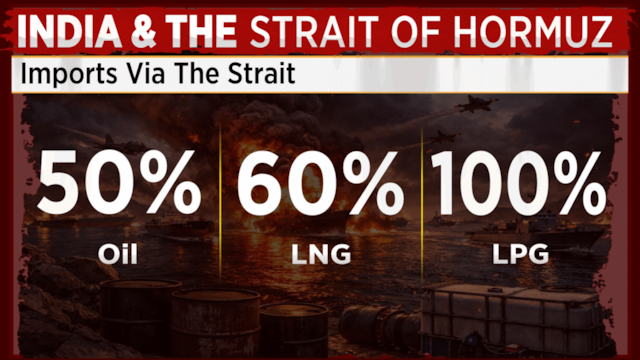
The view comes at a time when a key concern for investors has started to fade. The recent easing of geopolitical tensions has pushed oil prices lower, reducing pressure on India’s economy. As one of the world’s largest energy importers, India is highly sensitive to oil prices, which affect inflation, the rupee, government finances and corporate profitability.
Nilesh Shah, Managing Director at Kotak Mahindra AMC, said lower oil prices are a major positive for the country. “One big macro overhang goes from India’s balance sheet,” he said, adding that softer oil prices could support the rupee, reduce inflationary pressures and improve investor sentiment.
Singhania believes several factors are now falling into place for India. Foreign investors are heavily underweight on the country, earnings have remained resilient, and the government has introduced measures to improve liquidity and attract capital. He also expects the rupee to strengthen further if global conditions remain supportive.
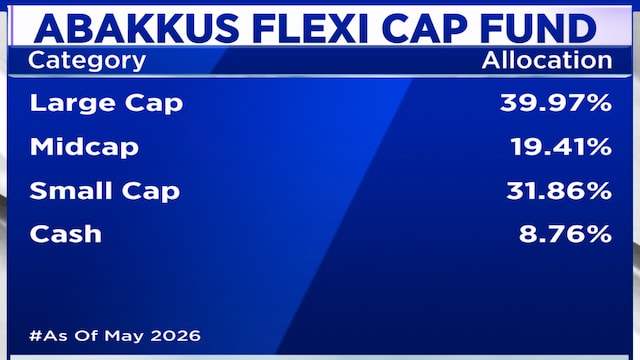
The biggest beneficiaries of a return in foreign flows could be banks and financial stocks. According to Singhania, banking has been the preferred sector for foreign investors whenever they wanted to sell India because of its large weight in market indices. If overseas investors turn buyers again, the same sector could see a strong re-rating.
Beyond large-cap financials, fund managers remain positive on India’s broader market. Mid- and small-cap stocks have continued to outperform despite global uncertainty, supported by stronger earnings growth and opportunities in manufacturing, engineering and niche industrial businesses.
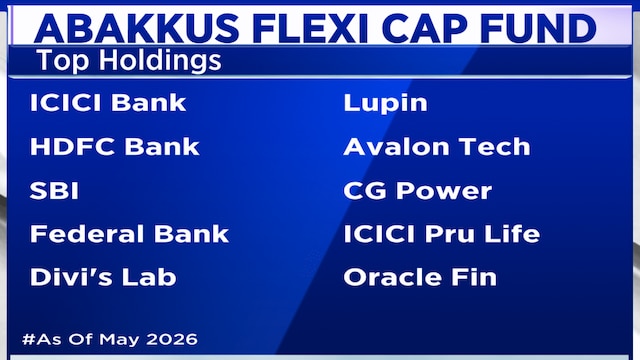
Singhania also highlighted consumer discretionary companies as an overlooked opportunity. While consumer staples remain expensive despite modest growth, several smaller consumer-facing brands are trading at valuations that look attractive after a prolonged slowdown in demand.
Another long-term theme attracting attention is renewable energy. As countries seek greater energy security and data centre demand rises, investments in solar, wind and related infrastructure are expected to increase. Singhania believes India’s push towards cleaner energy could make the economy less vulnerable to future geopolitical shocks.
Watch the full conversation here

The experts remain constructive on metals as well, particularly non-ferrous producers that stand to benefit from electrification trends and global infrastructure spending.

However, not all concerns have disappeared. Prashant Khemka, Founder of WhiteOak Capital, said one challenge continues to weigh on investor sentiment: India’s limited participation in the global artificial intelligence (AI) boom.
“The other significant worry that investors have had… is the relative non-participation of India in what is currently the flavour of global investing sentiment, which is AI,” Khemka said.
Catch all the latest updates from the stock market here