
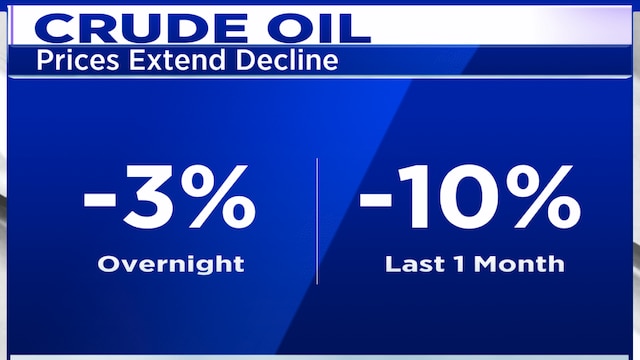
Speaking after the de-escalation of tensions between the US and Iran, Redoglia said the market is increasingly focused on rising supply rather than geopolitical risks. A key reason, he argued, is the UAE’s decision to move away from OPEC+ production discipline and pursue market share.
“Breaking apart of OPEC and its ability to control prices to the downside is very much in the offing,” Redoglia said.
The UAE has around 1.5 million barrels per day of spare production capacity, while Saudi Arabia has another 2.5 million barrels per day that could potentially return to the market. Redoglia added that if the Russia-Ukraine war eventually ends, additional Russian oil exports could also increase global supplies.
He believes this growing supply cushion is already changing market behaviour. Brent crude is currently trading below $80 a barrel, and the gap between spot and future prices has narrowed sharply. According to Redoglia, this suggests traders are becoming less concerned about immediate supply shortages.
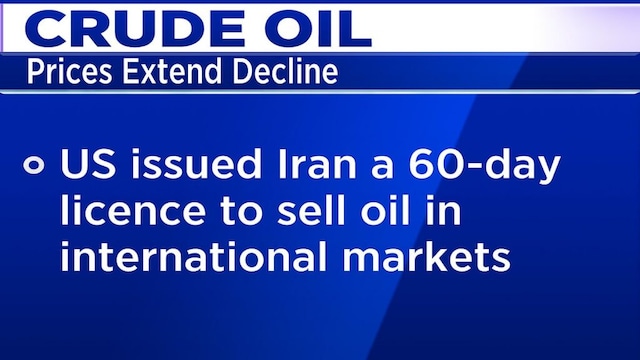
The recent US sanctions waiver on Iran could add further barrels to the market. While Redoglia expects a small geopolitical risk premium to remain for now, he said the waiver will allow Iran to sell oil stored in tankers and move more crude into global markets.
Over the longer term, he sees the strategic importance of the Strait of Hormuz gradually declining as Gulf producers expand pipeline networks that bypass the key shipping route. Saudi Arabia and the UAE are both investing in export infrastructure that reduces dependence on the strait.
Redoglia also downplayed concerns over recent statements from Iranian officials about controlling shipping through Hormuz. Instead, he urged investors to pay closer attention to market signals than political rhetoric.
“I would tend to believe what the market is telling us,” he said.
One indicator supporting that view is the sharp drop in oil market volatility. During the height of the conflict, traders expected crude prices to swing by as much as $30-$35 a barrel over a month. That expected range has now narrowed to roughly $11, suggesting markets believe the crisis is easing.
Watch the full conversation here

Looking ahead, Redoglia said futures markets are already pointing to lower prices.
“The price one year from now is going to be sub $70 for Brent. That’s what the market is telling us, no matter what the Iranian government is telling us.”
Catch all the latest updates from the stock market here