
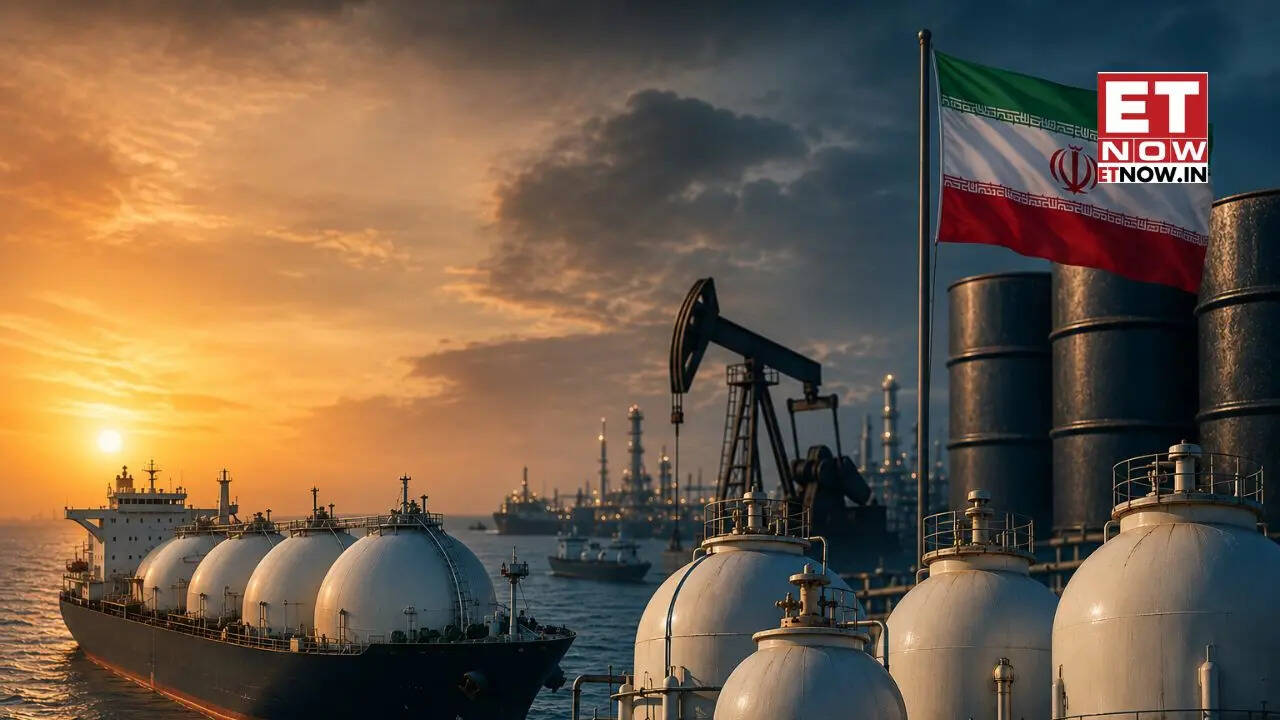
As geopolitical tensions in the Middle East show signs of easing, energy prices have started moving in favour of consumers. Crude oil prices have surrendered most of the gains made during the recent conflict and are now trading close to their pre-crisis levels.
The Strait of Hormuz handles a significant share of global seaborne LPG trade. Any disruption to shipping through the route can immediately affect supplies to Asia, including major importers such as India.
As concerns over supply interruptions mounted, buyers rushed to secure cargoes, pushing up global LPG rates.
The US propane benchmark at Mont Belvieu, a key pricing hub for global LPG exports, witnessed a sharp rise during this period. Since Mont Belvieu is closely linked to export flows, increased international demand and higher freight costs pushed spot prices significantly higher.
LPG prices begin to cool
With the risk of major supply disruptions now gradually fading, the market has started unwinding the geopolitical premium that had been built into prices.
“With potential de-escalation of US-Iran tensions, the LPG futures index indicates a price correction. US benchmark pricing for propane (Mont Belvieu) is down around 20 per cent from its peak in May 2026, although it remains about 9 per cent higher than the pre-crisis period,” JM Financial said.
As cargo movements through the region normalise and panic buying subsides, the additional risk premium that had lifted prices is steadily disappearing.
A sustained decline in prices could also help ease input costs for industries that use LPG and support the profitability of importers, storage operators and distributors.
Additionally, the government on Thursday (June 25) said it has removed all sector-wise restrictions on the supply of non-domestic packed LPG and restored commercial supplies to levels that existed before the crisis. It has also partly restored bulk LPG supplies, which had been suspended when the global supply situation worsened.
Bottom Line
Any renewed geopolitical flare-up, particularly around the Middle East or the Strait of Hormuz, could quickly reignite supply concerns, push LPG prices higher again and reverse the relief currently being enjoyed by importers and consumers.
(Disclaimer: The above article is meant for informational purposes only, and should not be considered as any investment advice. ET NOW DIGITAL suggests its readers/audience to consult their financial advisors before making any money-related decisions.)