
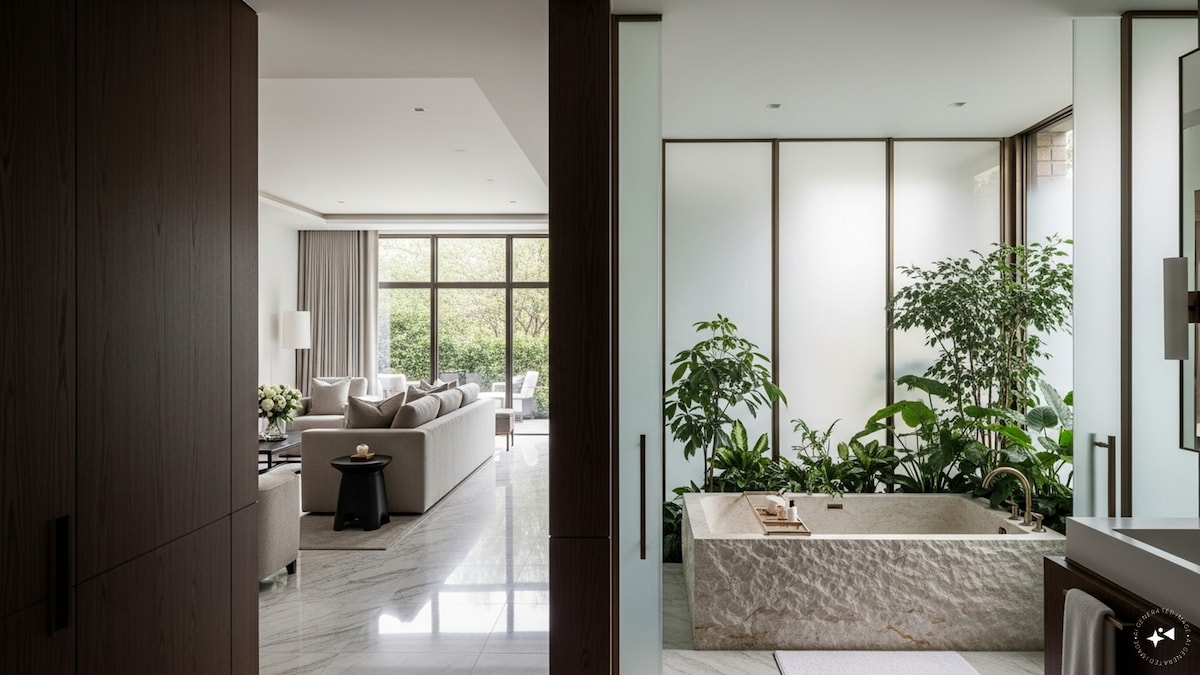
From air purification systems and meditation zones to biophilic design, wellness clubs, preventive healthcare amenities, and green spaces, developers are positioning wellness-focused homes as part of a long-term value proposition.
The shift reflects changing buyer priorities after the pandemic, particularly among affluent urban professionals placing greater emphasis on health, work-life balance, mental wellbeing, and environmental quality.
“Luxury homebuyers are willing to pay a premium for wellness-focused features, as these amenities are now seen as essential to enhancing quality of life rather than as optional additions,” said Manish Jaiswal, CEO of Eldeco Group, a real estate developer in North India.
According to Jaiswal, buyers in residential markets such as Greater Noida, the Yamuna Expressway, Dwarka, and Gurugram are prioritising projects that combine connectivity and appreciation potential with healthier living environments.
The rise of wellness as a financial consideration
The growing focus on wellness is changing how buyers think about the financial role of a home.
Traditionally, personal finance experts have advised buyers to separate emotional purchases from investment decisions. But developers say wellness-focused housing is increasingly being viewed through both lenses, offering lifestyle benefits while potentially supporting future demand from buyers and tenants.
Jaiswal said wellness-oriented homes should be viewed “as both a lifestyle purchase and a long-term investment,” noting that stronger buyer preference for healthier living environments could support resale demand over time.
Robin Mangla, President of M3M India, a luxury real estate developer, said wellness amenities have become more relevant because of the pressures associated with urban living.
“Dense city environments, demanding professional lifestyles, and limited access to quality wellness infrastructure within metros have made features such as air purification systems, meditation zones, health clubs, and biophilic design meaningful differentiators that buyers are increasingly willing to pay a premium for,” Mangla said.
He added that wellness-integrated residences offer what he described as a “dual proposition”, combining aspirational living with the potential for stronger resale values and rental yields.
Beyond luxury branding
Developers say luxury housing is moving beyond conventional markers such as larger apartments, imported finishes, and branded residences.
Instead, the focus is shifting toward how residential communities contribute to physical and mental wellbeing.
Vamsi Sai, CEO of Himalia Prime Assets, an Indian asset development and management platform backed by the venture capital firm Jupiter Capital, said wellness communities are becoming one of the most differentiated categories within premium real estate.
“These communities go beyond traditional luxury by integrating biophilic design, sports and recreation infrastructure, preventive healthcare access, nutrition-led dining, spa therapies, and curated wellness experiences,” Sai said.
According to Sai, the future of luxury housing will be defined less by square footage and more by how effectively homes support “physical, mental, and emotional wellbeing.”
Developers see long-term demand shift
Abhishek Trehan, Executive Director of Trehan IRIS, an Indian real estate and construction group, said buyer expectations in luxury housing have evolved in recent years, especially after the pandemic and the rise of hybrid work culture.
“Today’s homeowner is not simply buying a residence; they are investing in wellbeing, productivity, privacy, and sustainability,” Trehan said.
He added that wellness amenities, including cleaner indoor air, wellness therapies, mindfulness spaces, fitness infrastructure, and green landscapes, are being viewed as value-enhancing features.
Trehan said buyers are evaluating homes not just on location and specifications, but also on how a project can improve everyday living experiences and long-term quality of life.
Investment logic still depends on fundamentals
Even as wellness becomes a stronger selling point, property analysts and wealth advisors caution that it should not overshadow core real estate fundamentals.
Long-term investment performance still depends primarily on factors such as location, infrastructure connectivity, developer execution, market supply-demand dynamics, and affordability.
A wellness-focused project in a weaker micro-market may not necessarily outperform a conventional development in a stronger location.