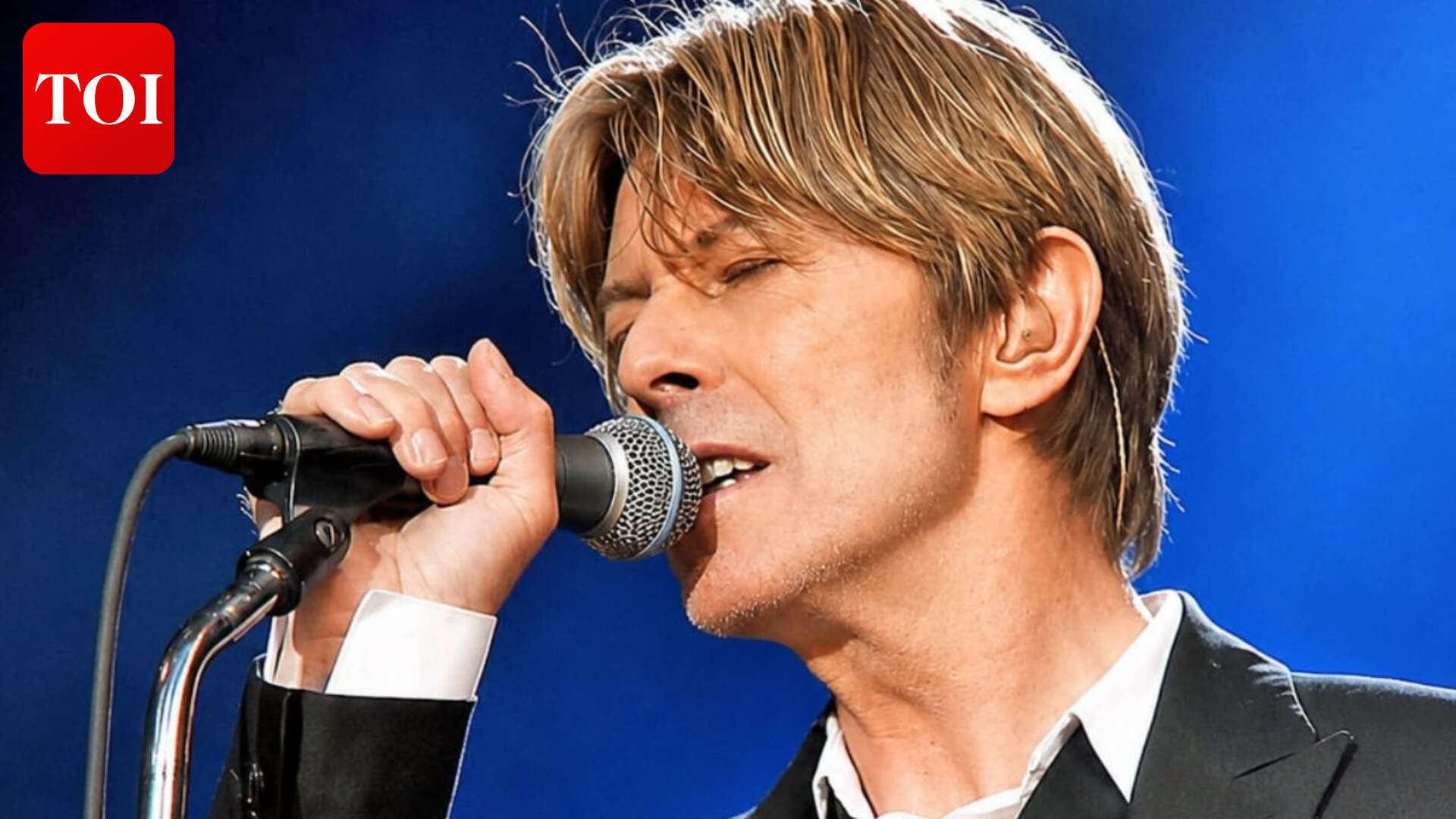
David Bowie left the mortal plane more than a decade ago, but his words continue to inspire generations. In April 2026, a landmark immersive exhibition titled ‘David Bowie: You’re Not Alone’ opened at Lightroom in King’s Cross, London, combining rare performance footage, photographs, drawings, personal notes, and audio recordings to bring visitors inside his creative universe. Its centrepiece is never-before-seen footage from a 1978 performance of ‘Heroes’ at Earl’s Court, discovered on old film reels in the David Bowie Archive. It is, in every sense, the world arriving at Bowie again, which makes the line he delivered at Madison Square Garden in 1997, at his own 50th birthday concert, feel more alive than ever.The quote of the day reads, “The truth is, of course, that there is no journey. We are arriving and departing all at the same time.” ‘There is no journey,’ he says. Nothing happens because of this, not because experience is meaningless, but because the idea of moving from one fixed point to another misrepresents what actually occurs. At every moment, something is ending, and something is beginning. You are always arriving somewhere and always leaving something behind. The departure and the arrival are not sequential. They are simultaneous.
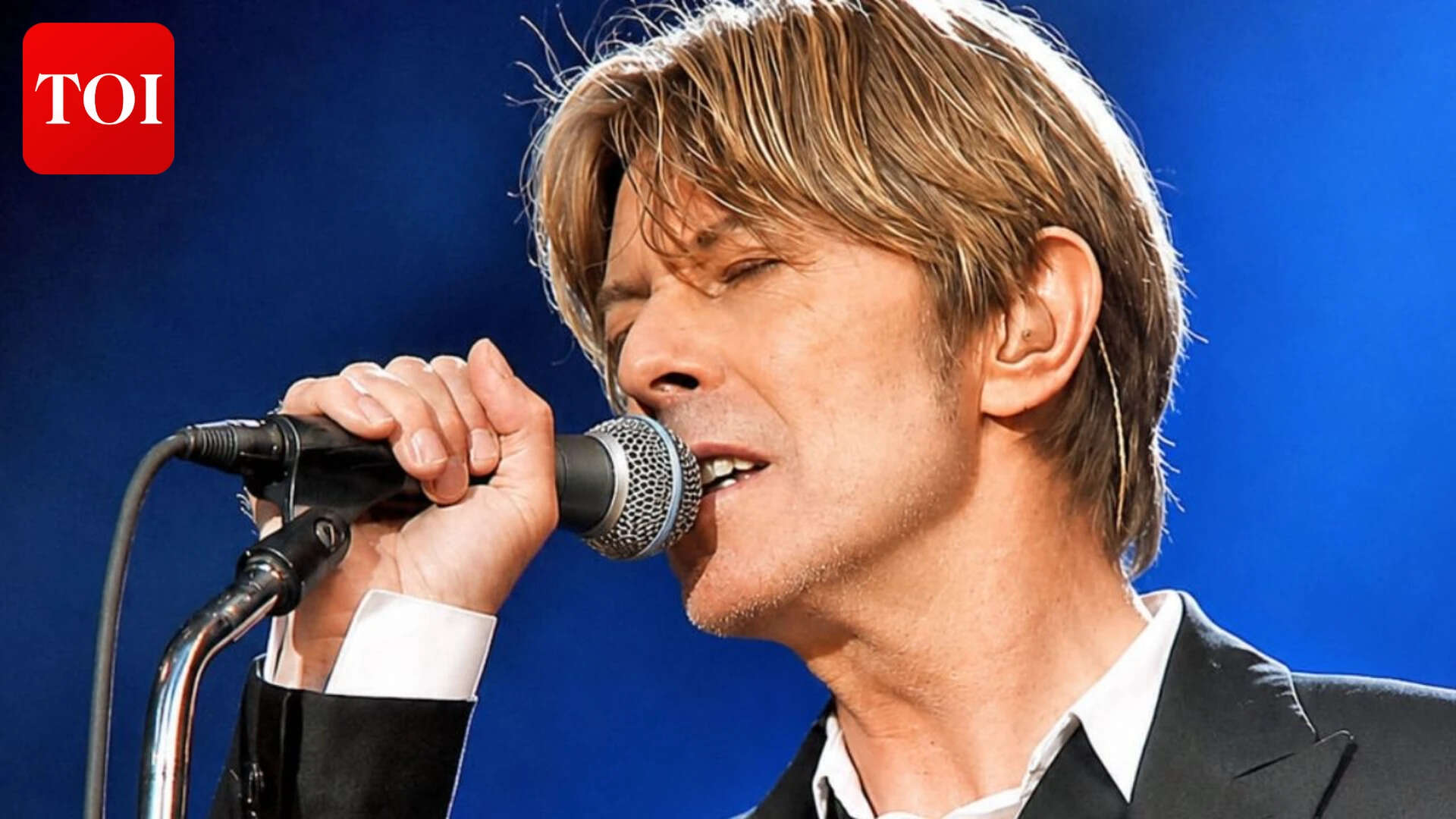
From Ziggy Stardust to Blackstar, Bowie constantly reinvented himself while leaving an enduring legacy in popular culture.Image credit (Instagram)
Meaning of the quote of the day by David Bowie
The conventional idea of a life, or a career, or any meaningful undertaking, is that it follows a linear path. You begin somewhere. You travel. You arrive. The journey has a start, a middle, and an end. Progress is measured by the distance between where you were and where you are now. That model is deeply embedded in how most people think about their own lives, their work, and their sense of self. However, David Bowie’s perspective differed. He believed life is a continuous process of arriving, departing, and evolving simultaneously.It precisely describes how change works, both in life and in art. Bowie did not finish being Ziggy Stardust and then become Aladdin Sane. He did not complete his Berlin trilogy and then move on to ‘Let’s Dance.’ These transitions happened inside overlapping currents of thought, feeling, and creative energy that were arriving and departing at the same time. To reduce that to a journey, with chapters and arrivals and departures neatly separated, is to miss the texture of how it actually felt from the inside.There is also something quietly liberating in this idea for anyone who has ever felt stuck at a point of transition, waiting to arrive, waiting to feel that they have fully left something behind before they can fully embrace what is ahead. Bowie is saying that waiting is not how it works. You are already both. You are always both. The thing you are leaving and the thing you are arriving at coexist, and the tension between them is not a problem to be resolved. It is where the most interesting things happen.
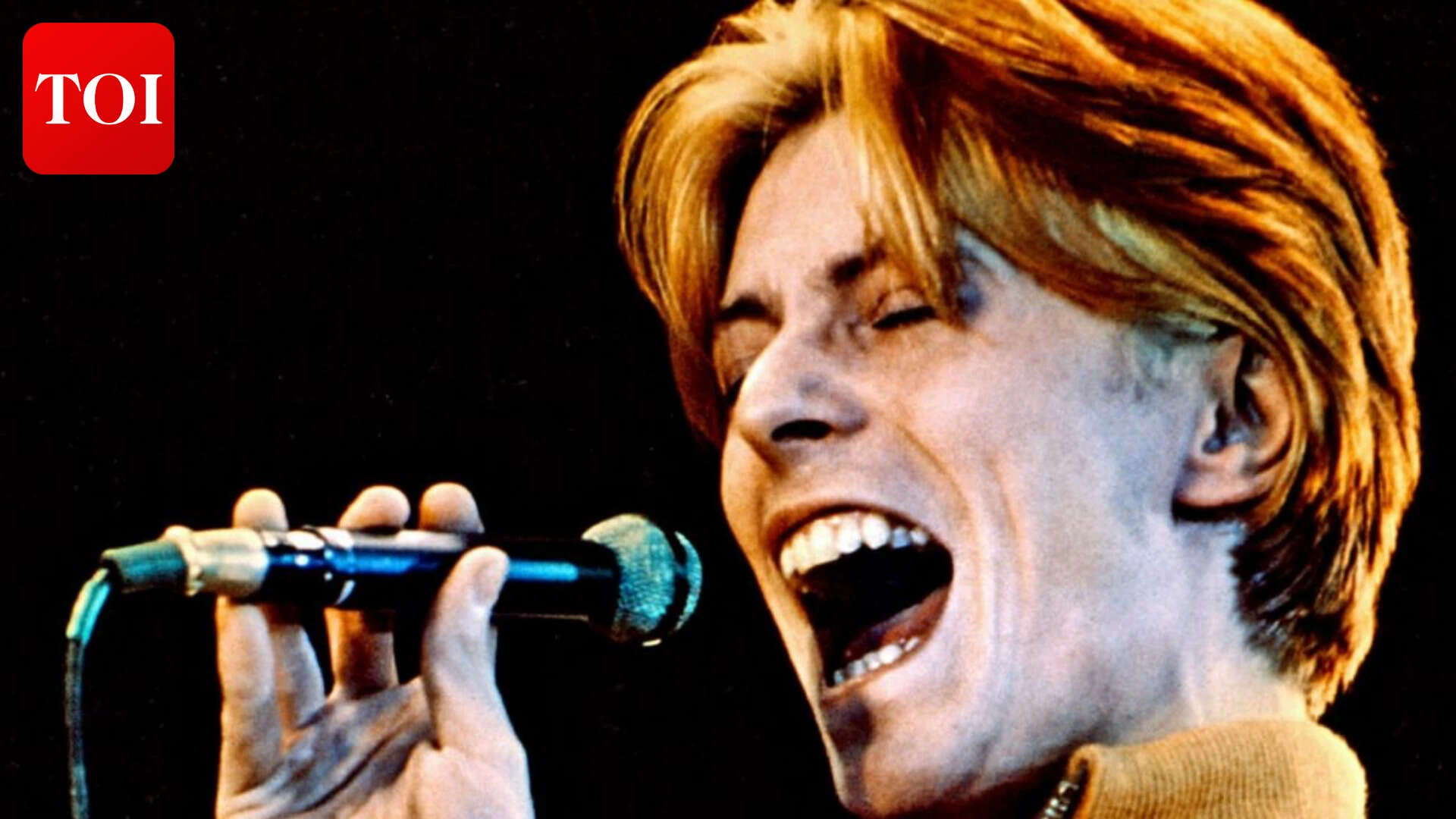
The iconic singer believed life is a continuous process of arriving, departing and evolving all at once.Image credit (Instagram)
David Bowie spoke these words on January 9, 1997, at his 50th birthday concert held at Madison Square Garden in New York City, a night that brought together an extraordinary lineup of collaborators and admirers, including Lou Reed, Sonic Youth, Robert Smith, and Billy Corgan, to celebrate an artist who had spent thirty years refusing to stand still. The concert was itself a kind of paradox: a birthday party that was also a retrospective, a celebration of where he had been and a declaration that he was not finished yet. And the line he offered that night cut right to the heart of that paradox.
Early life of David Bowie
David Robert Jones was born on January 8, 1947, in Brixton, London, and adopted the name Bowie in 1966, reportedly to avoid confusion with Davy Jones of the Monkees. He studied art, music, and design from an early age, and a schoolyard fight left him with permanently dilated pupils in his left eye, giving him the distinctive appearance that would become part of his visual identity, according to the BBC.
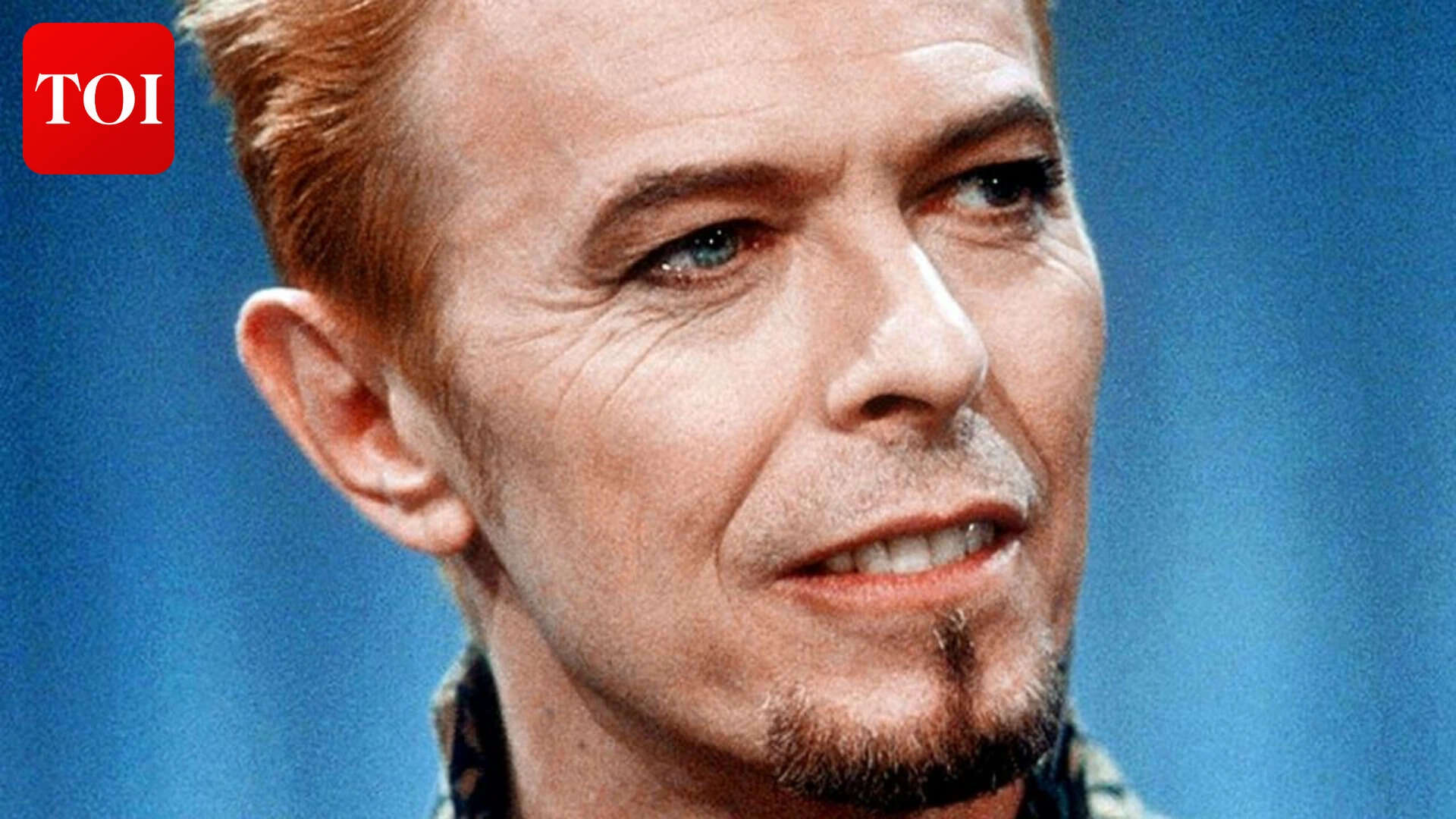
More than a decade after his passing, Bowie’s songs, performances and thought-provoking words continue to influence artists and fans worldwide.Image credit (Instagram)
His recording career began in the late 1960s, but it was the creation of the character Ziggy Stardust in 1972, with the album ‘The Rise and Fall of Ziggy Stardust and the Spiders from Mars,’ that announced him as something entirely new in popular culture. What followed was one of the most restless and creatively prolific careers in the history of recorded music.
David Bowie’s legacy
‘Aladdin Sane,’ ‘Diamond Dogs,’ ‘Young Americans,’ ‘Station to Station,’ ‘Low,’ ‘”Heroes”,’ ‘Lodger,’ ‘Scary Monsters,’ ‘Let’s Dance,’ ‘Outside,’ ‘Earthling,’ ‘Heathen,’ ‘Reality,’ and finally ‘★,’ released on January 8, 2016, two days before he passed away, and widely regarded as one of the most extraordinary farewell albums ever made by any artist in any genre.He was also a significant actor, appearing in ‘The Man Who Fell to Earth,’ ‘Merry Christmas, Mr Lawrence,’ ‘Absolute Beginners,’ and ‘Labyrinth,’ among many others. He married the model Iman in 1992, and the couple remained together until his passing on January 10, 2016, in New York City, according to Rolling Stone. He was 69. However, he is gone but not forgotten.