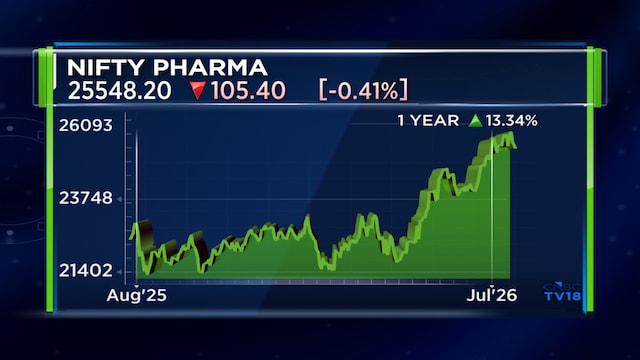
He believes higher drug prices, temporary shortages and the ability to shift manufacturing to the US could allow Indian pharmaceutical companies to capture a larger share of the world’s biggest medicines market over the long term.
Explaining his view, Kulkarni said, “I think there are three important points to look at when you think about this whole tariff proposal.” He noted that 70-80% of the generic medicines India exports to the US are simple tablets and capsules.
As the proposed tariff deadline approaches, he expects supply disruptions because “there will be shortages because the current economics of moving to US are unsustainable.” Those shortages, he believes, will eventually push prices higher and create a new pricing equilibrium, making it more attractive for Indian companies to manufacture in the US.
Kulkarni said this shift could significantly benefit Indian drugmakers that already have a manufacturing presence in the US. “We believe Indian biopharma has an opportunity to capture a much-increased pie if the tariffs have to come through,” he said, pointing to companies such as Sun Pharmaceutical Industries, Lupin and Zydus Lifesciences
, which already have established US manufacturing networks and can transfer production more efficiently.
He also expects US regulators to become more supportive of innovation-led products such as 505(b)(2) medicines and orphan drugs as higher medicine prices increase pressure on the healthcare system. That could create another long-term growth opportunity for Indian companies that have been investing in specialty products.
In the near term, however, Kulkarni does not expect a major impact. Since tariffs are proposed to remain at zero until the implementation timeline, only limited manufacturing transfers are likely over the next few years while companies prepare for a structural shift.
Watch the full conversation here

He believes companies such as Sun Pharma, Lupin and Zydus, which are investing in complex generics, respiratory therapies and innovation-led portfolios, are better positioned to absorb higher costs and benefit over the medium to long term. He is relatively more neutral on Aurobindo Pharma, saying its larger exposure to simple generic medicines makes large-scale US manufacturing less economical, although its recent acquisitions could partly mitigate the impact.
Kulkarni believes the proposed tariffs should be viewed less as an immediate threat and more as a catalyst that could reshape the US generic drug market in favour of Indian pharmaceutical companies with the right manufacturing footprint and product mix.