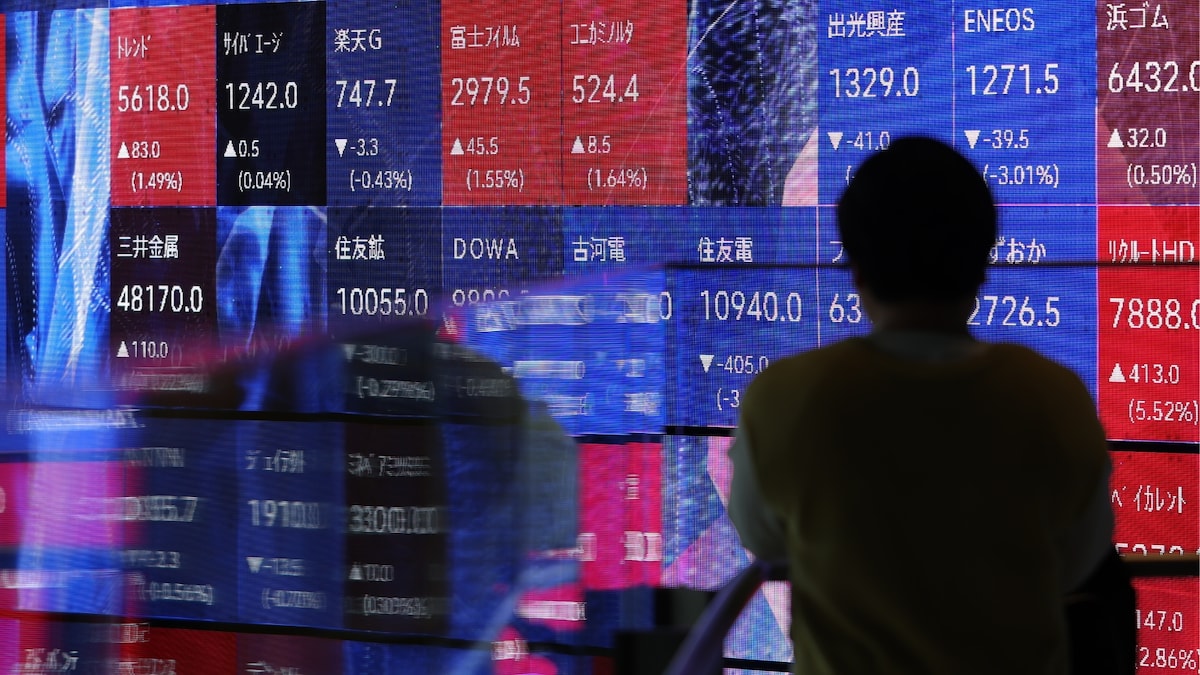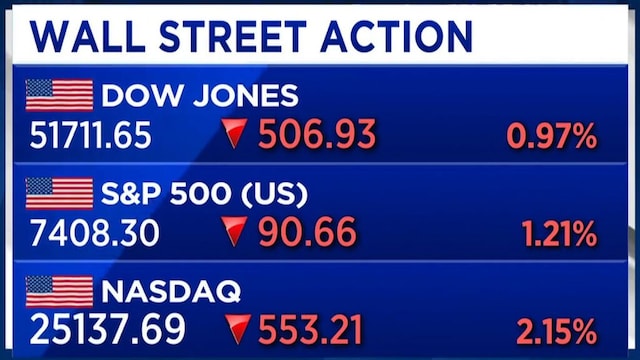
Clissold believes global equities are likely to see more consolidation in the third quarter as investors reassess geopolitical risks, rising crude oil prices and the prospect of tighter monetary policy after a strong second-quarter rally.
This is an edited transcript of the interview.Q: The macro backdrop has turned more challenging. Crude oil prices are surging, the US 10-year Treasury yield has climbed to 4.7%, the probability of a September Fed rate hike has risen to 82%, and the dollar index is now at 101.4. Markets are also on edge over fresh developments in the Red Sea, with Houthi attacks adding to the uncertainty. How do you assess the current market environment, and where do you see markets heading from here?
A: We have been looking for a pullback after what was really a fantastic run-up in the second quarter, both in US stocks and globally. From an earnings perspective, last quarter was about as good as it could be. In fact, upward earnings revisions on a market-cap basis were at a record high.
A lot of investors had become quite complacent. We saw that in indicators such as put-call ratios and options trading volumes. At the same time, the market had largely priced out West Asia conflict risk. If either of those positives starts to fade, you are likely to get a pullback, and that’s what we are beginning to see.
Also, in US midterm election years, we typically see weaker third quarters. With the elections due in November, we are looking for some additional consolidation, but within the context of a longer-term uptrend.
Q: Oil prices can also fall as quickly as they rise, as we saw in July when prices dropped sharply. There is not really a shortage of oil globally—there is enough supply, but it’s a question of getting it through. What is your assessment?
A: One of the key lessons over the last several months has been just how resilient the global oil supply chain has been. Some of that reflects ingenuity in moving West Asian oil through alternative routes, while other producers have stepped up. China has also clearly become the swing consumer.
That said, some of these factors are not sustainable forever. Strategic petroleum reserve releases, for example, cannot continue indefinitely. I think that’s part of the reason we have seen oil spike over the last few days. There’s less slack in the system than there was before.
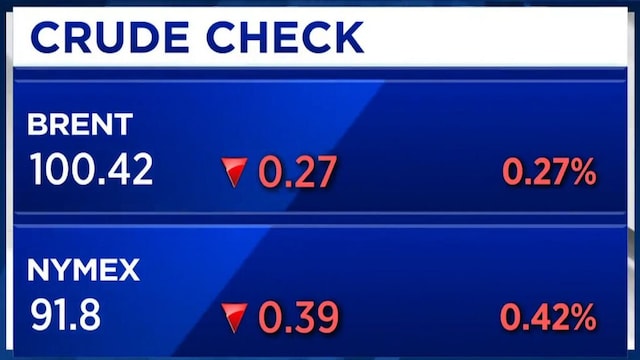
From the perspective of the US stock market, which is my focus, this isn’t about shortages like we saw in the 1970s with long lines at petrol stations. It’s really about the price of oil. Higher prices could affect inflation, influence the Fed’s decisions and slow US economic growth, which could weigh on markets.
However, with the US heading into midterm elections, I think there is a point where the administration would back off because it would not want to trigger a recession just before the elections.
Q: Last year you had spoken about the S&P 500 reaching 6,400, and that target has been achieved. You were quite bullish on US markets then. What’s your outlook now? Also, do you expect the Fed to raise rates, given that futures markets are increasingly pricing in a hike later this year?
A: We continue to expect a consolidation or pullback in the third quarter, followed by a year-end rally that could take the S&P 500 to around 7,900-8,000.
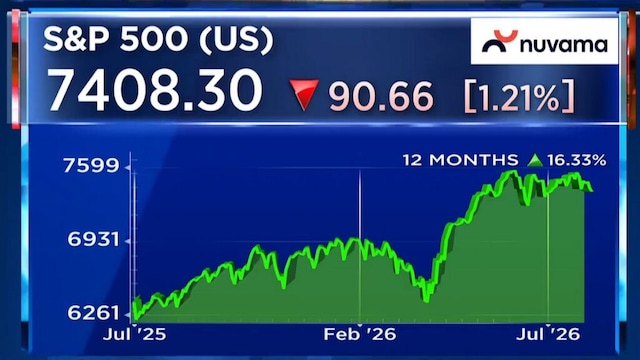
The Fed is part of that outlook. We are expecting one rate hike, with September looking like a strong possibility, although it could come a little later. If this turns out to be a “one-and-done” tightening cycle, history suggests the stock market generally performs well. You often see consolidation ahead of the hike, and once it becomes clear that additional hikes are unlikely, the rally can resume.
Such a scenario rarely leads to a severe economic downturn.
I think the Fed has unfortunately backed itself into a corner because of its repeated emphasis on the inflation mandate and the fact that US inflation has remained above target for the past five years. If it does nothing, it risks damaging its credibility.
Watch the full conversation here

So, we are looking for one rate hike, after which the Fed may adjust its approach as it works through the various task forces and reviews currently underway.
Catch all the latest updates from the stock market here