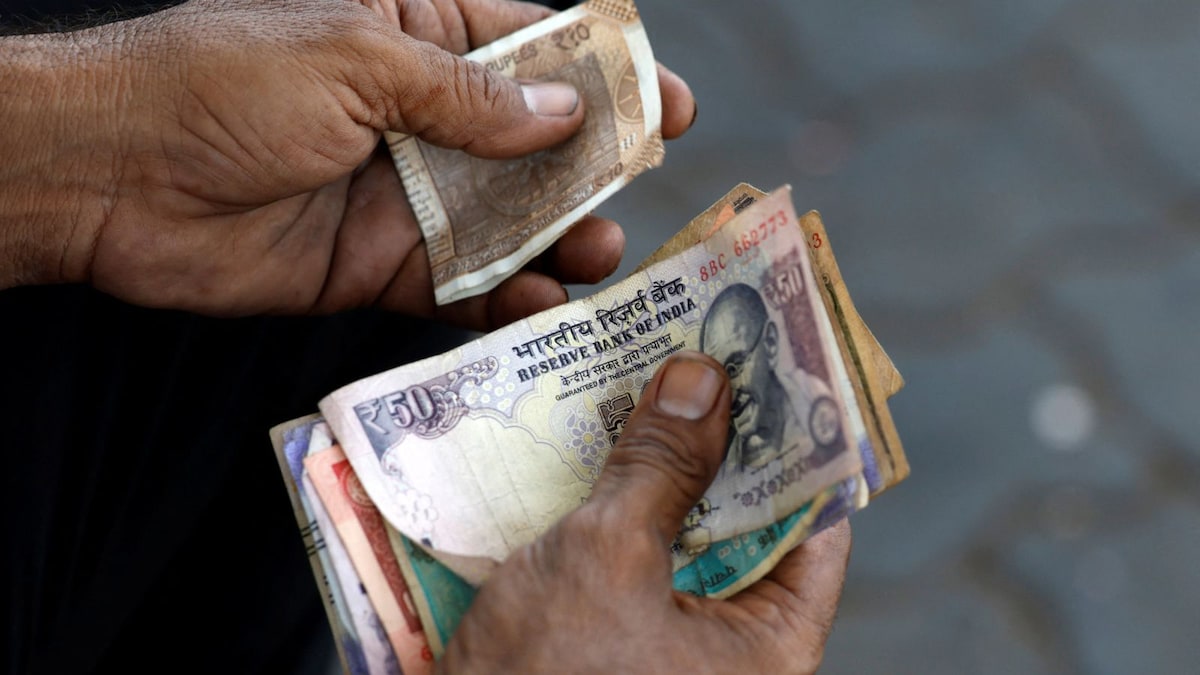
Market analysts attributed the rupee’s recent strength to a combination of factors, including cooling oil prices, improved capital flows, and active intervention by the Reserve Bank of India to check excessive volatility in the currency.
Speaking on the movement, Ruchit Thakur, Market Analyst at VT Markets, said the recent strengthening of the rupee has been supported by softer crude oil prices, improved foreign capital flows, and strong RBI intervention to curb excessive currency volatility. He added that if crude prices remain subdued and global risk sentiment stays stable, the rupee could maintain a modest appreciation bias over the next few weeks.
However, Thakur cautioned that continued dollar demand from importers, shifting expectations around the US Federal Reserve, and any resurgence in geopolitical risks may cap further gains. He noted that the RBI is also likely to guard against excessive appreciation in order to protect export competitiveness, and expects the USD/INR pair to remain largely range-bound with a slight downside bias going forward.
On the broader economic impact of falling crude prices, Thakur said India, which imports close to 85% of its crude oil requirements, stands to benefit significantly if oil prices continue to soften. Lower crude prices help contain inflation, improve corporate profitability, and reduce input costs across the economy, he said, adding that sectors such as aviation, paints, chemicals, cement, logistics, automobiles, and oil marketing companies are likely to be the biggest beneficiaries.
He further noted that consumer-facing sectors could also gain as easing inflation supports discretionary spending, though upstream oil producers may see pressure from lower realisations, and cheaper conventional fuel could slow the pace of adoption for renewable energy and EV-related businesses.
Overall, Thakur said a sustained decline in crude prices would support earnings growth, ease inflationary pressures, and lift overall market sentiment, particularly for domestic consumption-driven sectors.