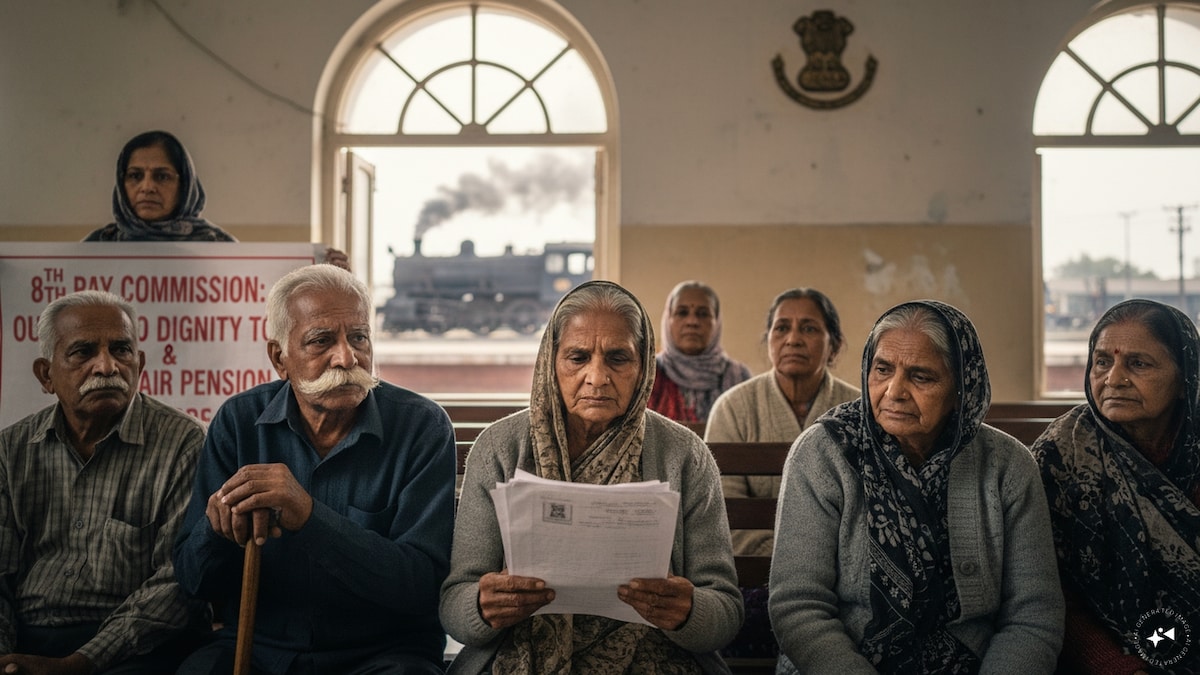
In its submission, the pensioners’ body highlighted that changes in the pay structure have a direct impact on pension, as retirement benefits are linked to the last drawn pay or notional pay under the Pay Matrix. It said the revised framework should ensure fairness for both serving employees and pensioners.
RSCWS seeks higher minimum pay, review of annual increment
On pay matters, RSCWS has suggested that the 8th Pay Commission should determine minimum pay on a scientific basis, taking into account inflation, current consumption patterns, housing costs, healthcare expenses and other living costs.
The organisation said the price index available as on January 1, 2026, should be considered while calculating minimum pay.
It has also sought a review of the existing annual increment rate of 3%, arguing that it has become inadequate due to inflation and longer career spans. The body has recommended increasing the annual increment rate to 5% or introducing additional increments after specified years of service.
Calls for review of pay matrix and fitment factor
RSCWS has said the Pay Matrix introduced by the 7th Pay Commission improved transparency but certain issues, including compression between adjacent levels, need to be addressed.
It has suggested that the 8th CPC review the spacing between pay levels to ensure smoother financial progression, especially in middle and higher levels.
The organisation has also called for a fitment factor that provides meaningful growth in real income rather than only adjusting for inflation.
It said pay revisions should automatically translate into fair pension revisions so that past pensioners are not disadvantaged compared with newer retirees.
Pension parity and OROP-like framework among key demands
A major focus area in the memorandum is pension equality. RSCWS has suggested considering a framework similar to One Rank One Pension (OROP) for civilian pensioners to reduce disparities between retirees of different periods.
The body has argued that pensioners retiring from the same level and with similar service periods should receive comparable benefits.
It has also sought stronger safeguards under pension systems, including OPS, NPS and UPS, to ensure predictable and adequate post-retirement income.
Allowance structure needs balance, says RSCWS
On allowances, RSCWS has raised concerns over increasing dependence on allowances instead of basic pay.
It said since many allowances are not counted for pension calculation, a higher share of allowances can affect long-term retirement security.
The organisation has suggested maintaining a better balance between basic pay and allowances while ensuring periodic revision of key allowances such as House Rent Allowance and Transport Allowance.
It has also highlighted that many expenses, including housing, transport and healthcare, continue after retirement even though most allowances stop after superannuation.
Medical facilities and retirement benefits among focus areas
RSCWS has sought improvements in medical facilities, including wider empanelment of hospitals, easier reimbursement procedures and greater access for pensioners.
The organisation has suggested that private hospital empanelment for central government employees and pensioners should be centralised to improve accessibility.
On retirement benefits, it has sought periodic revision of gratuity limits, faster settlement of retirement dues and a review of pension commutation restoration period.
It has suggested reducing the restoration period for commuted pension from the existing 15 years to around 10-12 years.
Review of MACP and career progression
The memorandum has also flagged concerns around career stagnation and the Modified Assured Career Progression (MACP) scheme.
RSCWS has suggested reducing the 10-year gap between financial upgradations under MACP and creating more opportunities for career progression through cadre restructuring and timely promotions.
The body said a balanced pay and pension framework would help improve financial security for employees and retirees.