
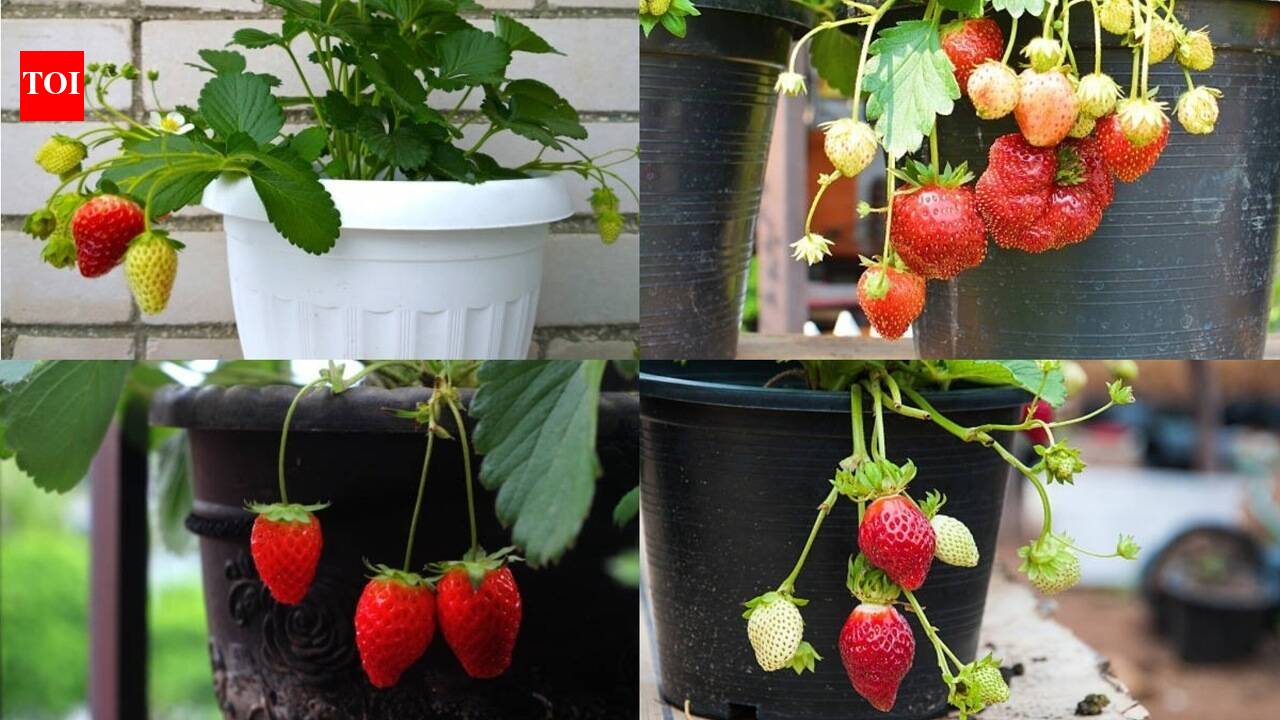
Before that banana peel or eggshell lands in the bin, it’s worth pausing for a second, especially if you’re growing strawberries at home. These low, sprawling plants are surprisingly heavy feeders for something so small, needing a steady supply of potassium and calcium to produce plump, sweet fruit rather than small, underwhelming ones. The good news is that some of the most effective nutrient boosts for strawberry plants are probably sitting in your kitchen bin right now, completely free and just as effective as anything sold in a nursery. Here are five kitchen scraps worth saving instead of throwing away.
Banana peels
Banana peels are often called the unsung hero of home gardening, and for strawberries specifically, that reputation is well-earned. They’re rich in potassium and phosphorus, two nutrients that directly support root development, flowering, and fruit production, exactly the stages where a strawberry plant needs the most help. Chopping a peel into small pieces and burying it a couple of inches into the soil near the base of the plant lets it break down gradually, or you can soak a peel in water for a few days and use the strained liquid as a quick potassium-rich feed.
Eggshells
Eggshells bring calcium to the table, a nutrient strawberries specifically benefit from, since calcium deficiency is linked to soft, poor-quality fruit in the same way it causes blossom end rot in tomatoes. Rinsing and drying the shells, then crushing them into a fine powder using a rolling pin or blender, makes them easy to work directly into the soil around the base of the plant. The crushed pieces break down slowly, offering a long-term, gentle release of calcium rather than a single quick boost, which suits a plant that keeps producing fruit over an extended season.
Coffee grounds
Coffee grounds are a genuinely useful source of nitrogen, along with smaller amounts of phosphorus, potassium, and trace minerals like magnesium and calcium. Strawberries also happen to prefer slightly acidic soil, which makes them more tolerant of coffee grounds than many other plants that can be sensitive to the mild acidity. Sprinkling used grounds thinly over the soil surface and lightly mixing them in, rather than piling them on thickly, avoids overwhelming the plant, and mixing them with a bit of compost or mulch first helps them break down more evenly.
Vegetable peel water
Not every scrap needs to go into the soil directly. Saving peels from vegetables like potatoes, carrots, and onions, then simmering or soaking them in water for a day or two, creates a mild nutrient-rich liquid that can be used to water strawberry plants directly. It’s a gentle way to return some of the minerals lost during cooking back into the soil, and it’s a genuinely useful way to make use of scraps that might otherwise just go straight into the compost bin or the trash without any further purpose.
A combined kitchen scrap liquid feed
For a single feed that covers multiple nutrients at once, blending a few of these scraps together works well. Combine crushed eggshells, a chopped banana peel, and a spoonful of used coffee grounds with water, let it sit for a day or two, then strain out the solids to create a liquid feed carrying calcium, potassium, and nitrogen all in one go. Diluting it further with plain water before pouring it around the base of the plant (roughly half and half) to keep it gentle enough for regular use without overwhelming the soil.
Disclaimer:
This article is intended for general informational purposes only. Results can vary depending on soil type, plant health, and how these scraps are prepared and applied. Use kitchen scraps in moderation, as excessive use of any single ingredient, including coffee grounds and eggshells, can affect soil balance over time. For persistent plant health issues, consult a local nursery or gardening expert.