
“Since Auschwitz, we know what man is capable of. And since Hiroshima, we know what is at stake.”– Viktor E. Frankl, Austrian psychiatrist, philosopher, and Holocaust survivorIt’s been 81 years to this day that the world saw destruction to the extent it hadn’t seen before. Rather, they heard it from afar as Enolay Gay dropped Little Boy (world’s first atomic bomb made of uranium) on Hiroshima, Japan. The ones who bore the brunt of it did not live to tell the tale. Some did, but that existence as history recorded them was “more painful than death”.The next one would be Nagasaki, Japan, on August 9th. That was a plutonium bomb named Fat Man, and this atomic bomb was 40% more powerful than the first one. The world hasn’t been the same since. But in some significant ways, the world has also been the same since. Look at how every generation—since the generation that fought, won or lost the Second World War—have always remembered the world-ending possibility of nuclear bombs. And the dangers of totalitarianism.Eight decades have passed but the dangers of both nuclear bombs and fascism are still alive. We may think the world was never as bad as it is today. But the thing is every generation has thought this, and every generation after us will. Because history repeats itself was never really a cliche. None of us have to be students of history or need a PhD to understand that we have always been one step too far or close from some sort of dictatorship because that is the nature of power.Maybe that is the reason why the bombs stopped falling in 1945, but storytellers all over the world have never stopped imagining their consequences. Some writers have recreated the unbearable reality of Hiroshima and Nagasaki to honour the victims and capture the physical horror of atomic warfare. Others have asked what would have happened if the Axis powers had won the Second World War, using alternate history to show how authoritarianism flourishes when armed with ultimate force.
The stories that keep humanity awake
Still others build dystopian futures where fascism returns, democracy collapses, or nuclear annihilation hangs over everyday life. Together, these works serve the same purpose: ensuring that humanity never becomes comfortable enough to forget what happens when authoritarianism, militarism, and technological destruction converge.Today, as modern geopolitical tensions reactivate global nuclear anxieties and democratic norms face severe strain, these narratives provide an urgent, simple truth: catastrophe and tyranny are never as far away as we think.The earliest works about Hiroshima were acts of witnessing. They were attempts to preserve human experiences that were impossible to describe. John Hersey’s Hiroshima transformed six ordinary survivors into the voices of an unimaginable tragedy, demonstrating that history is understood most profoundly through individual lives rather than casualty figures. Masuji Ibuse’s Black Rain explored the lingering physical and emotional scars left by radiation, showing us that the bombing did not end when the explosion subsided. The suffering continued for decades through illness, discrimination and trauma.Cinema carried that responsibility forward. Animated films such as Barefoot Gen and Grave of the Fireflies exposed audiences around the world to the devastation of wartime Japan through the eyes of children. These stories serve as our cultural witnesses. As the generation that survived the bombings gradually disappeared, literature and cinema inherited the responsibility of remembrance. Since then they have become archives of empathy, ensuring that the victims remain people rather than historical abstractions. And the lessons learned are taught again and again.
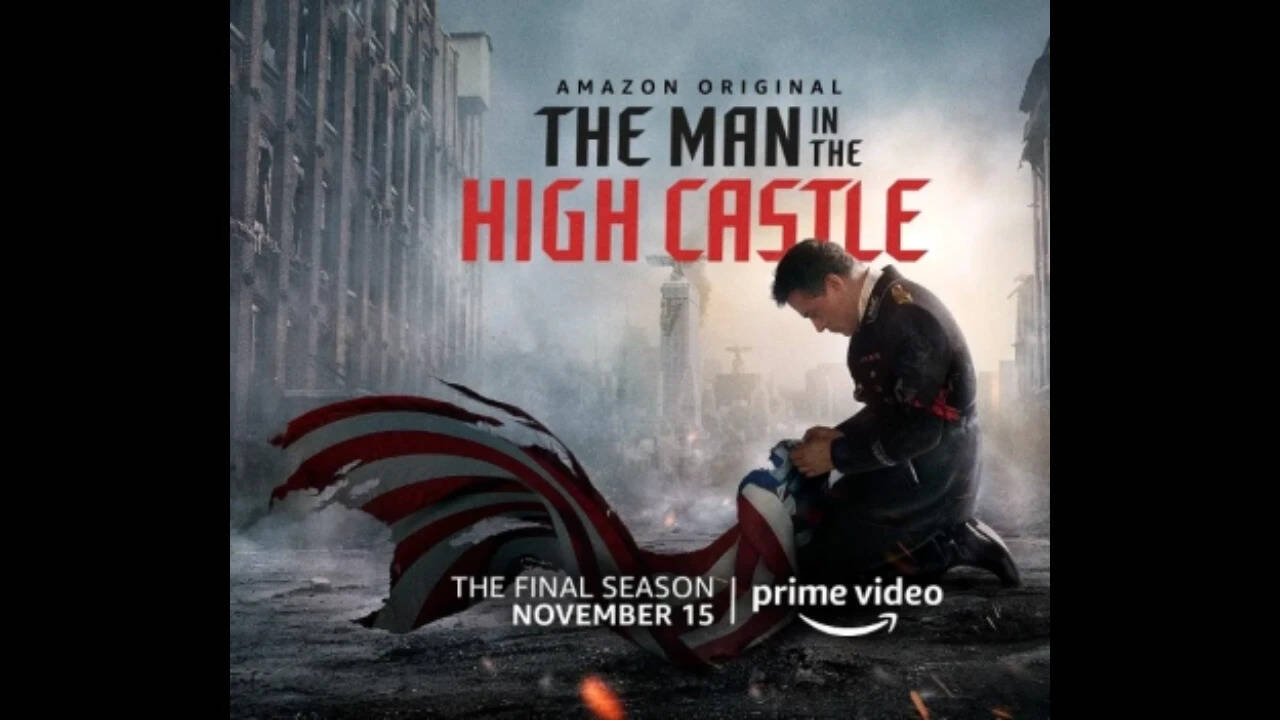
It’s essential to imagine what if the fascists had won, like in Philip K Dick’s The Man in the High Castle
Ray Bradbury and the Western influence
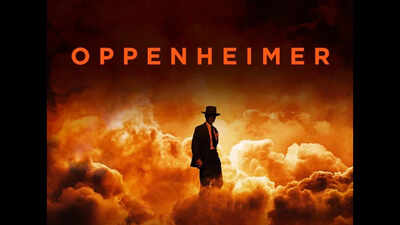
While Japanese authors documented the real-world aftermath, Western writers used science fiction to explore the future risks of nuclear weapons. Ray Bradbury stood at the forefront of this movement, creating speculative stories that examined what happens when technological capability outpaces human moral development.Bradbury’s famous 1950 short story, August 2026: There Will Come Soft Rains (published in The Martian Chronicles), presents a world where humanity has been completely wiped out by a nuclear war.Christopher Nolan’s 2022 film Oppenheimer approached the story of the atomic bomb from a different perspective. This film examines the scientists who created the atomic bomb, and the moral weight of scientific achievement. While its focus remained far from Hiroshima’s streets, it reignited global conversations about whether technological progress can ever be separated from ethical responsibility.Another powerful way storytellers keep the memory of fascism and nuclear danger alive is through alternate history. By exploring what the world would look like if the Axis powers had won World War II, these narratives illustrate how rapidly freedom, truth, and human rights can be erased when authoritarian regimes gain absolute technological and military dominance.
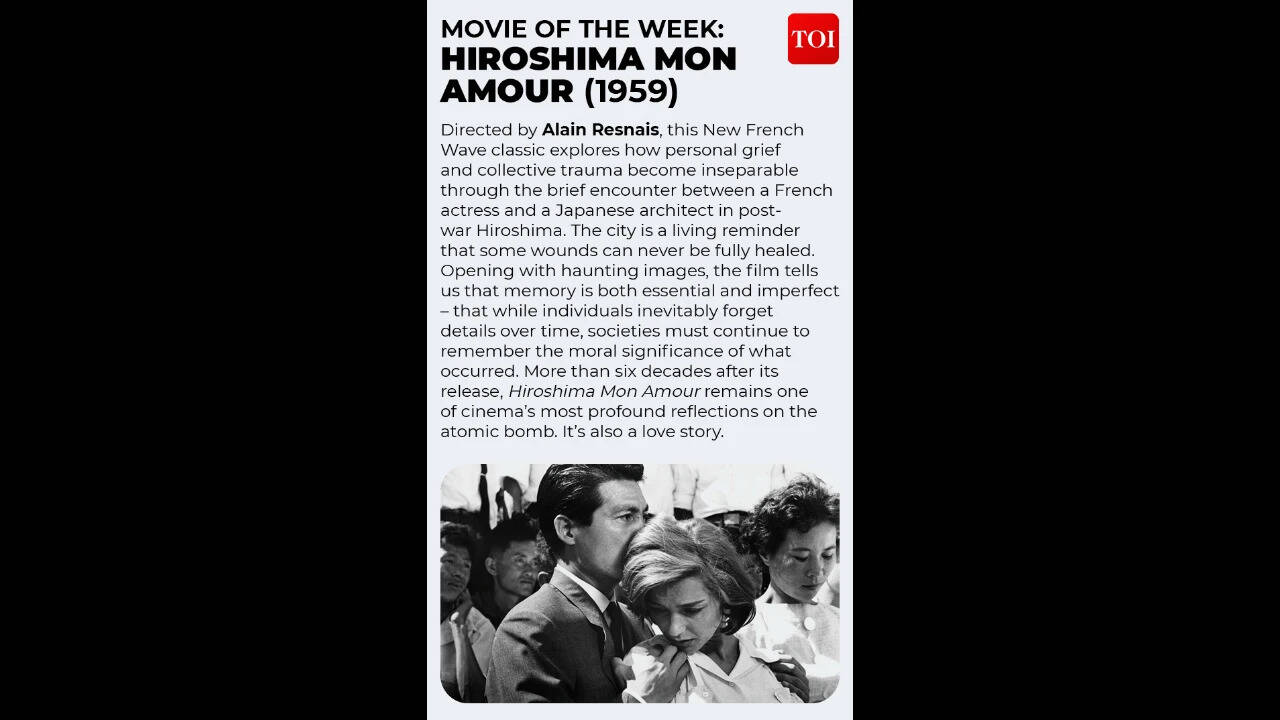
Why Hiroshima Mon Amour is a must-watch for every generation
Why it’s essential to imagine alternate histories
Philip K. Dick’s The Man in the High Castle, later adapted into an acclaimed television series, imagines an America divided between Nazi Germany and Imperial Japan after an Axis victory. Robert Harris’s Fatherland presents a Europe where Nazi rule has endured into the 1960s, exposing the machinery of denial and historical revisionism that sustains totalitarian regimes.These stories are not intellectual games built around historical speculation. Their purpose is moral. Modern dystopian fiction brings together the twin threats of radiological catastrophe and political authoritarianism, showing how environmental disasters and nuclear threats can be exploited by extremists to build totalitarian states.Margaret Atwood’s 1985 novel The Handmaid’s Tale—and its modern television series—provides a clear example of this thematic convergence. While Gilead is often understood primarily as a patriarchal, religious dictatorship, the state’s rise to power is explicitly triggered by environmental and nuclear destruction.The backstory reveals that widespread infertility was caused by nuclear power plant meltdowns, uncontrolled atomic waste, and toxic pollution. The extremist “Sons of Jacob” movement uses the resulting panic over human survival to overthrow the United States government, suspend the Constitution, and strip citizens—especially women—of all basic rights.By imagining worlds where fascism triumphed, they remind us that its defeat was never guaranteed. Democracies survived because millions fought to defend them. Had history shifted only slightly, today’s political map—and perhaps the values underpinning modern society—might look terrifyingly different.That lesson resonates deeply in an era when democratic institutions are once again under strain. Across continents, authoritarian rhetoric has found renewed audiences. Fiction cannot predict political outcomes, but it can illuminate recurring patterns. It can remind readers that authoritarianism rarely arrives announcing itself as tyranny. More often, it presents itself as necessity.
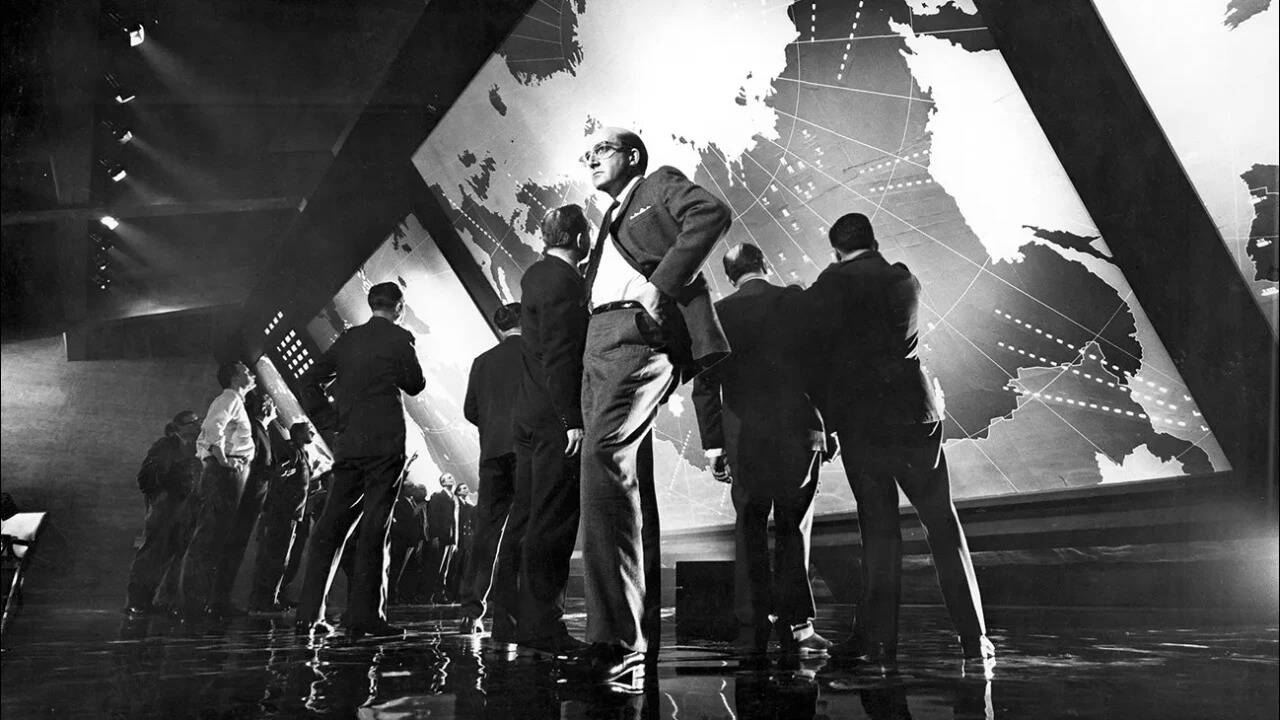
Stanley Kubrick’s Dr. Strangelove approached the atomic nightmare through satire
The British television film Threads remains one of the most terrifying portrayals of nuclear war ever made, depicting not the explosion itself but the slow collapse of civilization in its aftermath. Similarly, the American television film The Day After shocked audiences in the 1980s by presenting nuclear conflict not as heroic spectacle but as an irreversible humanitarian disaster.Stanley Kubrick’s Dr. Strangelove approached the same nightmare through satire, exposing the absurdity of military logic capable of ending civilization through bureaucracy, paranoia and technological overconfidence.Even the acclaimed miniseries Chernobyl, though centred on a nuclear accident rather than warfare, examines themes that echo Hiroshima’s legacy: secrecy, political denial, institutional arrogance and the devastating human cost of nuclear technology when accountability disappears.
Every scientific breakthrough needs an ethical compass
The warnings created by novelists and filmmakers match the real-world appeals made by the scientists who built the first atomic weapons. The history of the nuclear age is defined by an ongoing conflict between scientific discovery and moral responsibility.In 1946, physicist Albert Einstein summarized the danger facing the world in a famous declaration: “The unleashed power of the atom has changed everything save our modes of thinking and we thus drift toward unparalleled catastrophe.”

In Margaret Atwood’s The Handmaid’s Tale, the state’s rise to power is explicitly triggered by nuclear destruction
Polish-born physicist Joseph Rotblat offers one of the clearest historical examples of scientific integrity. Rotblat worked on the Manhattan Project at Los Alamos, but he became the only scientist to resign from the project on moral grounds in late 1944.Once it became clear that Nazi Germany had abandoned its own atomic bomb program, Rotblat realized the weapon was no longer being developed purely as a deterrent. Refusing to participate in creating a weapon of mass destruction that could be used for post-war geopolitical dominance, he left the project.For the rest of his life, Rotblat worked toward nuclear disarmament and international peace. In 1955, alongside Einstein, Bertrand Russell, and other prominent scholars, Rotblat co-signed the Russell-Einstein Manifesto. The manifesto presented a direct question to the entire world: “Here, then, is the problem which we present to you, stark and dreadful and inescapable: Shall we put an end to the human race; or shall mankind renounce war?”The literary testimonies of Hiroshima, the speculative warnings of Bradbury, the alternate histories of Philip K. Dick, the dystopian visions of Atwood, and the moral appeals of Rotblat all connect to form a single, vital message. They demonstrate that nuclear weapons and authoritarian governance are not separate issues; they are twin threats that emerge from the same combination of aggressive militarism, state control, and technological power.These artistic and historical works perform an essential service for modern society. They refuse to let the world treat the atomic bombings of 1945 as distant, forgotten history. By forcing readers and viewers to confront the reality of radiation sickness, the horror of automated post-nuclear landscapes, and the cruelty of fascist regimes, storytellers prevent collective amnesia.They remind every generation that democratic freedom, scientific ethics, and international peace must be actively maintained. And that humanity can never afford to forget what happens when technological power is divorced from human empathy.