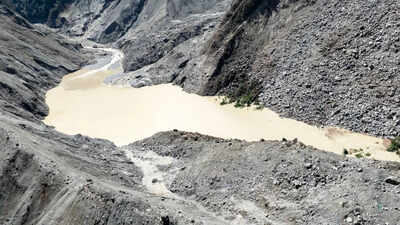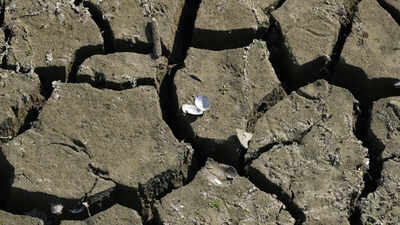
The severe “flash drought” that has gripped England is pushing an already struggling water network toward breaking point — and it’s showing no sign of easing. The situation is particularly dire in the southeast, where one of the wettest ever winters had replenished reservoirs and boreholes so much that they should have had enough water to get through summer.But now, water companies are trucking supplies around, seeking emergency restrictions and seeking permissions to keep drawing from environmentally protected rivers to keep the taps on.Some 30 million people face hosepipe bans and supplies have been disrupted by heatwaves and drought, which drained rivers, sparked wildfires, hurt crops and turned grass yellow across swathes of the country.London has been so bad that dry clay led to record insurance claims tied to home subsidence. Utilities have scrambled to avoid a repeat of 1976 crisis, when water was rationed in some areas and people filled buckets from standpipes in the street.“The summer of 2026 has produced the most intense flash drought we’ve seen,” said Jamie Hannaford, head of water resources and drought at the UK Centre for Ecology & Hydrology.Water companies are now preparing for the possibility that conditions deteriorate even further.A hearing was held Tuesday as Southern Water seeks to impose tougher restrictions on customers while continuing to take water from the River Test even as its flows fall below a set threshold. The Test is a protected chalk stream, and taking more when flows are already low can further damage its habitats, including those used by endangered salmon.The firm has also applied for powers to ban some non-essential uses of water, England’s first such restrictions in two decades, affecting businesses including car washes and non-domestic swimming pools. The extreme weather is further exposing a water system plagued by leaks and outages, as demand ramps up and drier ground damages ageing pipes.Based on a Bloomberg report