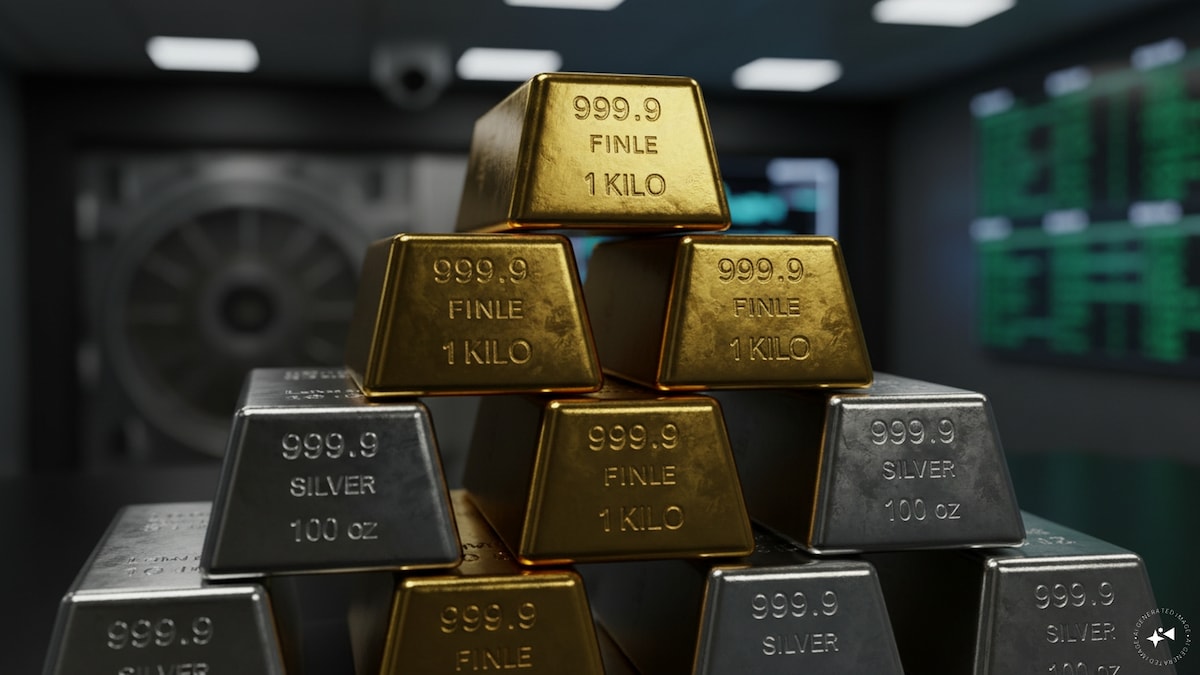
On COMEX, gold was trading at $4,493.70 per ounce, up 0.27%, while silver was at $66.64 per ounce, higher by 0.63%, according to the latest available prices.
The moves come after gold faced selling pressure on Monday (August 31) as investors increased bets that the US Federal Reserve could raise interest rates this month. Spot gold fell 0.4% to $4,433.19 an ounce on Monday, while US gold futures dropped 1.1% lower to $4,481.50.
Why are gold and silver prices under pressure?
The biggest headwind for gold currently is the rise in US bond yields.
The US 10-year Treasury yield climbed to around 4.78%, its highest level in nearly 20 months, as markets reassessed the outlook for US interest rates. Higher bond yields increase the opportunity cost of holding gold, which does not generate interest income.
Markets have also increased their expectations of a September Fed rate hike following recent hawkish comments from Fed Chair Kevin Warsh. Higher-for-longer interest rates can weigh on gold because they make interest-bearing assets relatively more attractive.
Oil surge adds another complication
Crude oil has emerged as another important factor for precious metals.
Brent crude crossed $90 a barrel after renewed US-Iran military action raised concerns about disruptions to global oil supplies. Brent settled at $90.49 a barrel on Monday, up 2.71%.
A sustained rise in oil prices can feed into inflation. That could make central banks more cautious about cutting interest rates and, in some circumstances, increase the possibility of tighter monetary policy.
This creates a difficult environment for gold: geopolitical tensions support its safe-haven appeal, but higher inflation and interest-rate expectations can push yields higher and weigh on the metal.
Then why isn’t gold falling sharply?
Safe-haven demand is providing some support.
Renewed tensions involving the US and Iran have increased uncertainty across financial markets. Global bond yields have risen sharply and equity markets have come under pressure, creating demand for assets that investors traditionally use as a hedge during periods of heightened uncertainty.
Gold also had a strong August. Spot gold gained about 9.7% during the month, putting it on track for its strongest monthly performance since January, despite the late-month pullback.
This means the recent decline needs to be viewed in the context of a much larger rally rather than as a complete reversal in the gold trend.
What is the outlook for gold this week?
The near-term direction is likely to depend on three factors: US interest-rate expectations, oil prices and economic data.
The US jobs report due later this week will be particularly important because it could influence expectations for the Fed’s next policy move. A stronger-than-expected labour market could reinforce the case for higher rates and keep pressure on gold.
On the other hand, weaker economic data could revive expectations of monetary easing and support precious metals.
For Indian investors, the movement in the rupee against the US dollar will also matter. Even if international gold prices remain relatively stable, a weaker rupee can keep domestic gold prices elevated.
What should investors watch?
The immediate picture is therefore mixed.
Negative for gold: rising US Treasury yields, higher oil prices, persistent inflation concerns and increasing expectations of a Fed rate hike.
Positive for gold: geopolitical uncertainty, safe-haven demand, continued central-bank buying and the possibility that weaker economic data could eventually bring rate-cut expectations back into focus.
Prithviraj Kothari, managing director of RiddiSiddhi Bullions, also expects volatility to remain elevated and has suggested a “buy on dips” approach for the week, while cautioning that investors are entering a data-heavy period ahead of the US payrolls report.
-With Reuters inputs