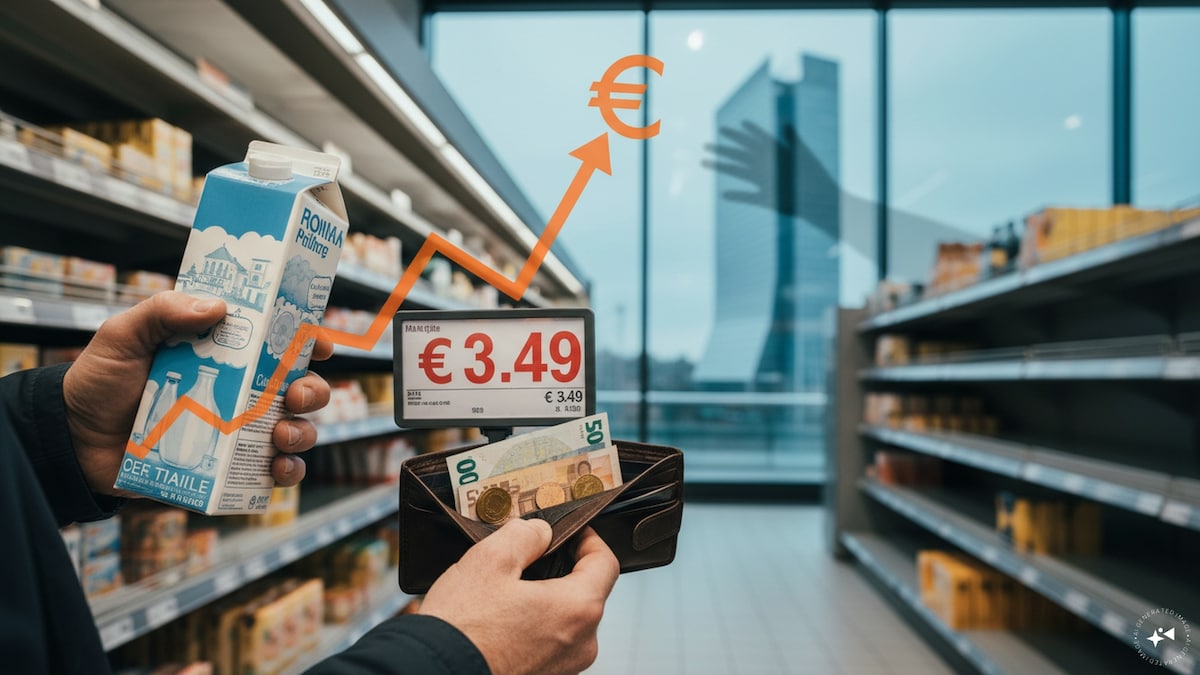
Inflation in the 21 nations sharing the euro accelerated to 3.3% in August from 2.9% in July, driven almost entirely by higher energy costs as crude oil and natural gas prices both rose, and refiners bumped up their margins, data from Eurostat showed on Tuesday.
Underlying price pressures remained modest, however, offering some reassurance to policymakers that the energy price surge is not yet setting off the kind of second-round effects that could perpetuate rapid inflation and force the ECB into more aggressive action.
Indeed, core inflation — figures which exclude volatile food and fuel prices — eased to 2.4% last month from 2.5% as growth in services prices, the single biggest component of the consumer price basket, slowed to 3.0% from 3.3%.
Tuesday’s figures are broadly consistent with the ECB’s own expectations and suggest that a widely telegraphed hike in the deposit rate to 2.50% on September 10, the bank’s second move this year after a hike in June, will be a relatively easy decision, almost a non-event for markets.
Financial investors have already priced in the move, suggesting that their focus will be on the rate path further down the line, a more complicated issue as views diverge on just how deep the euro zone’s inflation problems run.
Will more rate hikes be needed?
Policymakers appear to have no appetite for now to signal any further rate hikes and economists also see a high chance the ECB will stop in September, holding rates at what many consider the top end of the ‘neutral’ range, an interest rate level that neither restricts nor stimulates growth.
This is partly because the labour market is relatively soft and price pressures have not set off any visible rise in wage growth, reinforcing views that only gentle policy tightening may be enough.
Economic growth at just around 1% is also fairly weak and was at risk of slowing further, if the conflict continued.
But financial markets see two more rate hikes in the next year on the premise that higher energy prices will eventually start seeping into broader price setting, especially since the war in Iran is showing no signs of winding down, keeping inflation high.
Natural gas prices are also rising while the broader economy has also proven resilient to the economic stress of wars, tariffs, and higher rates, so the ECB may need to do more to stem price pressures, some argue.
In addition, global peers, including the Federal Reserve, may also be forced into rate hikes, boosting market bets for a global rate-hike cycle.
Still, even if the ECB is forced into further hikes, there appears to be little urgency in follow-up moves, so policymakers may skip the October meeting and focus on the next round of economic projections in December.