| Commodity | 1 month | Year-to-date |
| Soybean | +13% | +27% |
| Wheat | +18% | +48.5% |
| Palm Oil | +7% | +22.5% |
| Sunflower | +1% | +16% |
| Rubber | +5% | +30.5% |
| Cotton | +6% | +39% |
| Rice | +9% | +39% |
| Sugar | +24% | +25% |
| Cocoa | +6% | +4% |
| Corn | +16% | +17% |
Why are commodity prices surging across the globe?
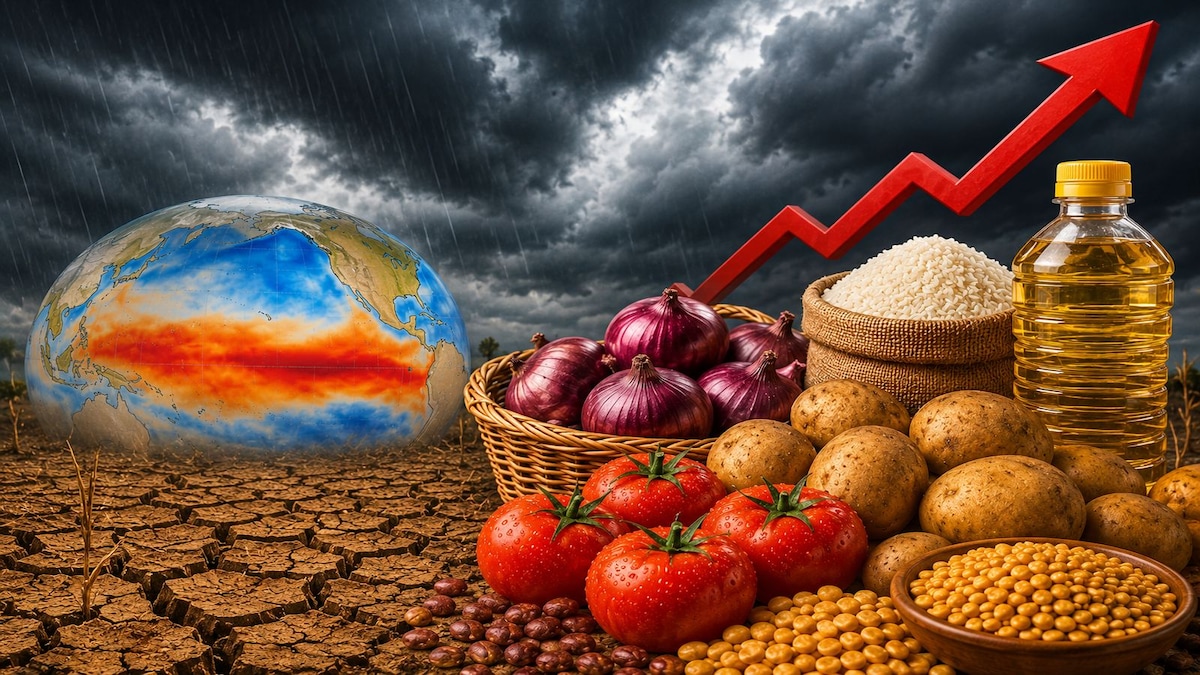
Global agricultural commodity prices continued their sharp ascent in August, with the Bloomberg Agriculture Spot Index surging 13% during the month, marking its strongest monthly performance since 2012. The rally has been fuelled by a combination of adverse weather conditions, geopolitical tensions, tightening grain inventories and rising energy costs, raising concerns about global food inflation in the months ahead.
Analysts point to a convergence of supply-side shocks that have pushed prices higher across a broad range of agricultural commodities. Severe weather patterns across key producing regions have disrupted crop yields, while the full impact of the latest El Niño cycle is expected to be reflected in global agricultural production only in late 2026.
What will be the impact of high food inflation on your portfolio?
The sharp rise in global agricultural commodity prices is a double-edged sword for India. While higher prices can boost farm incomes for some producers and support exports, they also risk reigniting food inflation, raising input costs, and pressuring household budgets. The timing of the oncoming budget squeeze, coinciding with the festive season, is significant.
India remains vulnerable to global food price shocks despite being largely self-sufficient in staples such as rice and wheat. The rise in edible oils is particularly concerning because India imports nearly 60% of its vegetable oil requirement.
With palm oil up 22.5% and sunflower oil up 16% year-to-date, domestic prices of cooking oils could move higher, reversing the moderation seen over the past year. This would directly affect household inflation as edible oils account for a significant portion of food expenditure.
| Commodity | Impacted Sectors |
| Palm Oil | FMCG, packaged foods, soaps, personal care |
| Sugar | Beverages, confectionery, ethanol producers |
| Wheat | Biscuits, bread, packaged foods |
| Corn | Poultry feed, starch makers, ethanol |
| Cocoa | Chocolate manufacturers |
| Cotton | Textile and apparel companies |
| Rubber | Tyre manufacturers |
Will the Reserve Bank of India hike the repo rate in October?
For equity markets, the price rise increases the odds of central bank interest rate hikes, raising the cost of capital that affects stock prices directly and indirectly. In early August, many economists deferred their rate hike projections citing the Reserve Bank of India’s rather dovish stance on monetary policy.
While Governor Sanjay Malhotra’s position is unknown, a growing view among some economists in India is that monetary policy can’t help quell food inflation. In the past, some of them, including the chief economic advisor V Anantha Nageswaran, have argued against raising the cost of capital if it can’t control prices.
After the latest monetary policy review, the central bank chief’s speech emphasised core inflation, which excludes the rise in food and energy prices currently higher due to supply shocks.
Which sectors are sensitive to food inflation?
Sustained commodity inflation could offset the benefit of higher farm incomes through higher prices. Higher costs would then hit food processing companies, restaurants and quick-service chains, and poultry and livestock companies.
Demand for rate-sensitive sectors like auto and real estate may take a hit during their peak demand season.
On the other hand, investors may turn positive on sugar companies, cotton-linked agri businesses, and select agri-exporters.
The squeeze in urea and ammonia supplies due to disruptions around the Strait of Hormuz and the Red Sea could raise India’s fertiliser import bill. Since fertiliser prices are heavily subsidised, any sustained increase could push up the government’s subsidy expenditure and widen fiscal pressures.
Read more: ‘Unfudgeable GDP data’: Neelkanth Mishra points to strong macros behind 7.8% figure in Q1